Case Study
How Real-Time Tracking Transforms Loss Prevention
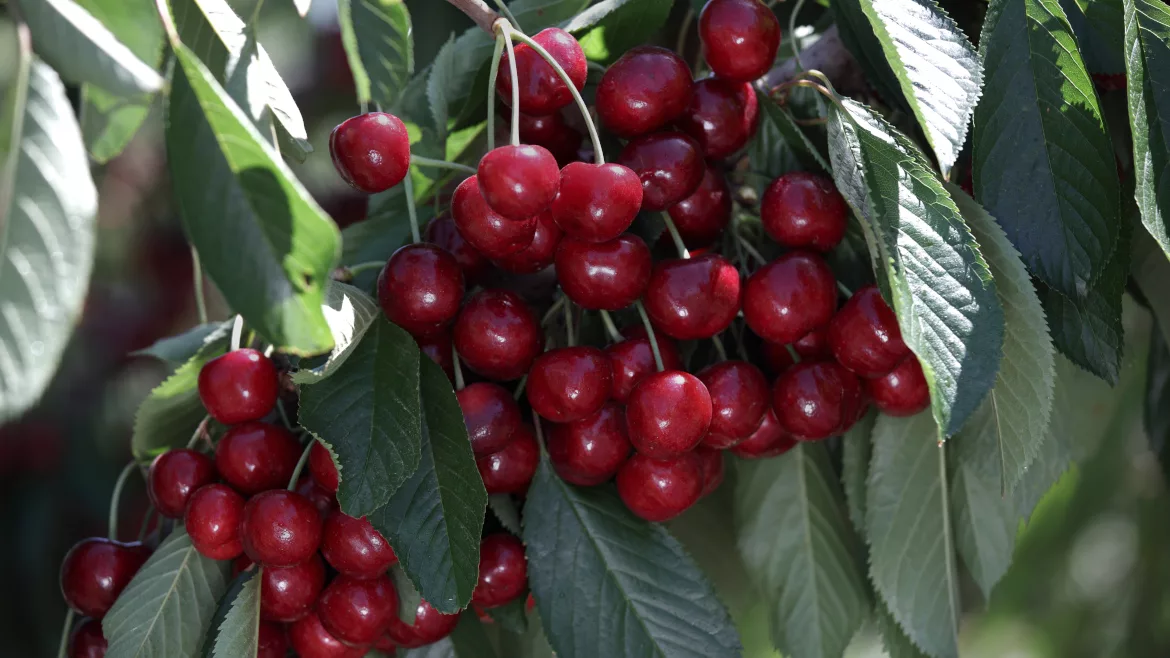
Because cherries are non-climacteric fruits, which means they don’t ripen after harvest, they must be picked at peak ripeness. From harvest through delivery, they must be kept at 32 degrees Fahrenheit, despite being shipped during warm seasons.
The Flavor Tree Fruit Company was founded in 2009 by Warmerdam Packing and Maurice Cameron to bridge the gap between premium fruit growers and customers. The company markets fruit on Warmerdam's orchards along with outside growers, specializing in plums, cherries and California kiwifruit, with importers, exporters and retailers across five continents.
High-value fruit is more sensitive to environmental conditions and often has a shorter, more delicate shelf life. Scarcity is also a factor: most premium fruit has a single annual harvest, dependent on ideal growing conditions. Careful packing and handling, precise temperature control and expedited shipping are essential to prevent damage, shortened sell-by dates and costly load rejections.
While The Flavor Tree Fruit Company tightly controls as many front-end variables as possible, it historically suffered from costly load rejections due to lack of visibility during transit.
Of all The Flavor Tree Fruit Company's premium fruit, cherries are the highest-value commodity, with exacting growth and harvest demands. They have a short, distinct season and are extremely sensitive to environmental factors. Excess rain near harvest can cause splitting and rot, while unseasonable temperature fluctuations during flowering and fruiting can severely impact yield.
Cherries require cold dormancy to bloom, are vulnerable to disease and pests, and often fruit biennially — producing a heavy crop one year and a light one the next.

Because cherries are non-climacteric fruits, which means they don't ripen after harvest, they must be picked at peak ripeness. From harvest through delivery, they must be kept at 32 degrees Fahrenheit, despite being shipped during warm seasons.
To reduce risk, The Flavor Tree Fruit Company began using temperature loggers. But the lack of real-time access during transit and delivery left the team helpless when anything went wrong. In one notable incident, a load of cherries that had been shipped from California to a leading box store retailer in Texas was rejected.
Upon notification of the rejection, The Flavor Tree Fruit Company asked whether temperature loggers were present to rule out temperature issues. Despite knowing three loggers were placed in the load, they were told, "We couldn't find any."
Unwilling to send the load into the open market, the company had it returned to investigate. All three loggers were found intact, and the data showed temperatures from California to Texas far exceeded acceptable limits, damaging the fruit.
This discovery was frustrating: they had accepted a rejection due to damage that was entirely the fault of the carrier, all because they lacked proof at the time. The receiver's refusal to verify the presence of the temperature loggers left them without proof until it was too late.
The previous year in New Jersey, The Flavor Tree Fruit Company had a series of load rejections by a retailer that said they had the loggers and would provide the data. The retailer later claimed nobody in the warehouse could find them.
As rejections mounted, so did costs and frustration.
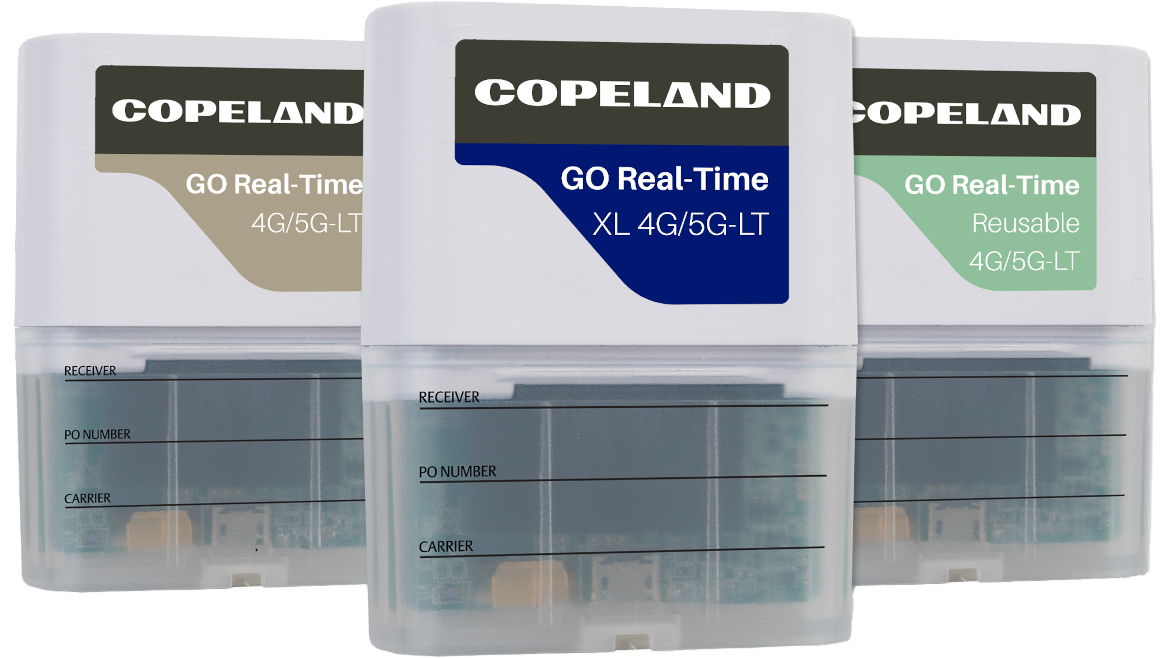
Despite the initial learning curve, The Flavor Tree Fruit Company saved approximately $250,000 in claims the first year alone, and each year since.Image courtesy of Copeland
The Flavor Tree Fruit Company was one of the first to start using trackers. Implementing Copeland trackers initially felt "like the Wild West," whereas now, tracker use is customary practice, Cameron said.
Despite the initial learning curve, The Flavor Tree Fruit Company saved approximately $250,000 in claims the first year alone, and each year since.
Streamlined Loss Prevention & Claims
Using Copeland real-time trackers and Oversight cloud-based, automated reporting and in-transit data, The Flavor Tree Fruit Company is now able to detect problems and immediately contact retailer-hired carriers.
One of the clearest illustrations happened on a Saturday around 10 p.m., when Cameron received an alert while at home. A truck delivering a load of cherries to Canada was experiencing freezing temperatures. He immediately notified the buyer by email that the load was running too cold for cherries.
Unfortunately, the damage had already occurred. The Copeland temperature trackers confirmed severe freezing temperatures that broke the cell structures of the cherries. Once defrosted, the cherries were unsalvageable.
The retailer and The Flavor Tree Fruit Company went through a formal arbitration process. Three attorneys argued on the retailer's behalf that the company had shipped bad cherries. The Flavor Tree Fruit Company's most critical evidence was the tracking data, both from the Copeland tracker and one the retailer requested.
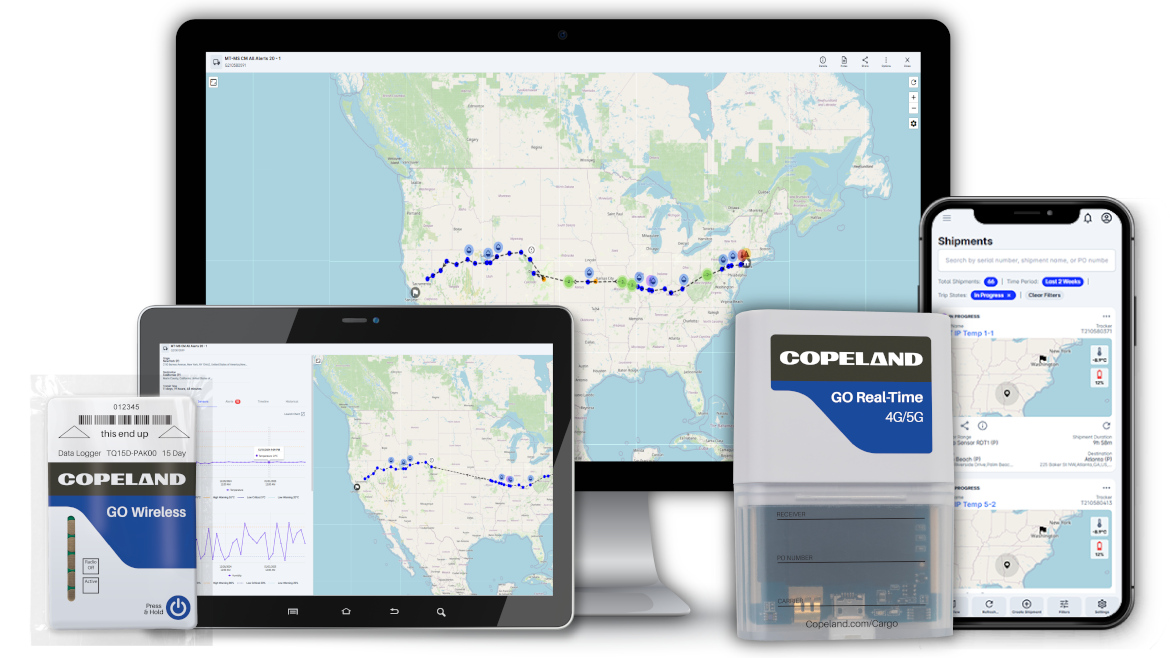
The Flavor Tree Fruit Company's partnership with Copeland spans more than a decade, and Cameron credits Copeland's responsive communication, like twice-daily automated reports from Copeland, as an immense help during cherry season.Image courtesy of Copeland
The corroborating data and the step Cameron took to advise the buyer of the issue in transit led to The Flavor Tree Fruit Company being awarded the total monetary value of the load, plus 10%.
What began as a way to mitigate costly load rejections has evolved. Temperature trackers are a critical part of The Flavor Tree Fruit Company's streamlined loss prevention process:
- Any load worth $50,000 or more includes a tracker.
- The Flavor Tree Fruit Company arranges their own transportation and includes a tracker on every shipment.
- Any straight load of cherries, typically valued at more than $100,000, has a tracker.
The Flavor Tree Fruit Company's partnership with Copeland spans more than a decade, and Cameron credits Copeland's responsive communication, like twice-daily automated reports from Copeland, as an immense help during cherry season.
Actionable data is worth its weight in cherries.
Looking for a reprint of this article?
From high-res PDFs to custom plaques, order your copy today!