Refrigerated, Frozen & Flourishing: State of the Cold Chain
July 8, 2026
Refrigerated, Frozen & Flourishing: State of the Cold Chain
July 8, 2026Consumers want "Better-for-You" foods, and 96% say they can be found in the frozen aisle, according to the 2026 AFFI Power of Frozen report. Frozen food sales rose last year to over $87 billion, up $27.4 billion since 2019.

From "backup plan" into an integrated part of meal planning, the cold perimeter and frozen aisles now hold an increasing share of the consumer’s cart.
Frozen has outpaced refrigerated foods in dollar growth, while refrigerated remains the larger department overall.
"Historically, frozen foods were often positioned as emergency meals or convenience solutions," said Anne-Marie Roerink, principle and founder of 210 Analytics, which conducted the research for the American Frozen Food Institutes’ Power of Frozen in Retail report. "While inflation has certainly contributed to the increase, the growth story is much bigger than pricing. Frozen food unit sales are higher than they were in 2019, with retailers selling nearly 1 billion more frozen food units annually today. The category benefits from broader household engagement, more shopping trips and deeper integration into everyday meal planning."
Sales of frozen foods rose 2.4% in the 52 weeks ending May 17, versus 0.9% growth for refrigerated. At the same time, refrigerated showed slightly stronger unit growth at +1%, while frozen units were essentially flat, suggesting frozen’s growth was more price/mix driven, while refrigerated demand held up more consistently on a unit basis.
"We also see a difference in shopper economics. In refrigerated, total dollar sales per buyer increased, but trips per buyer were slightly down, indicating shoppers are spending more per trip," said Sally Lyons Wyatt, global EVP & chief advisor of Consumer Goods & Foodservice Insights at Circana.
Frozen realized growth in dollars per buyer and trips, pointing to a category that is still expanding through broader buyer engagement and basket-building.
Those using frozen foods every few days or daily represent 40% of shoppers, up from 35% in 2019. And nearly one-third (30%) plan to buy more frozen food, the strongest purchase intent measured in years, according to the AFFI report.
It’s frozen AND fresh, with three-in-four consumers (76%) now combining fresh and frozen ingredients in the same meal.
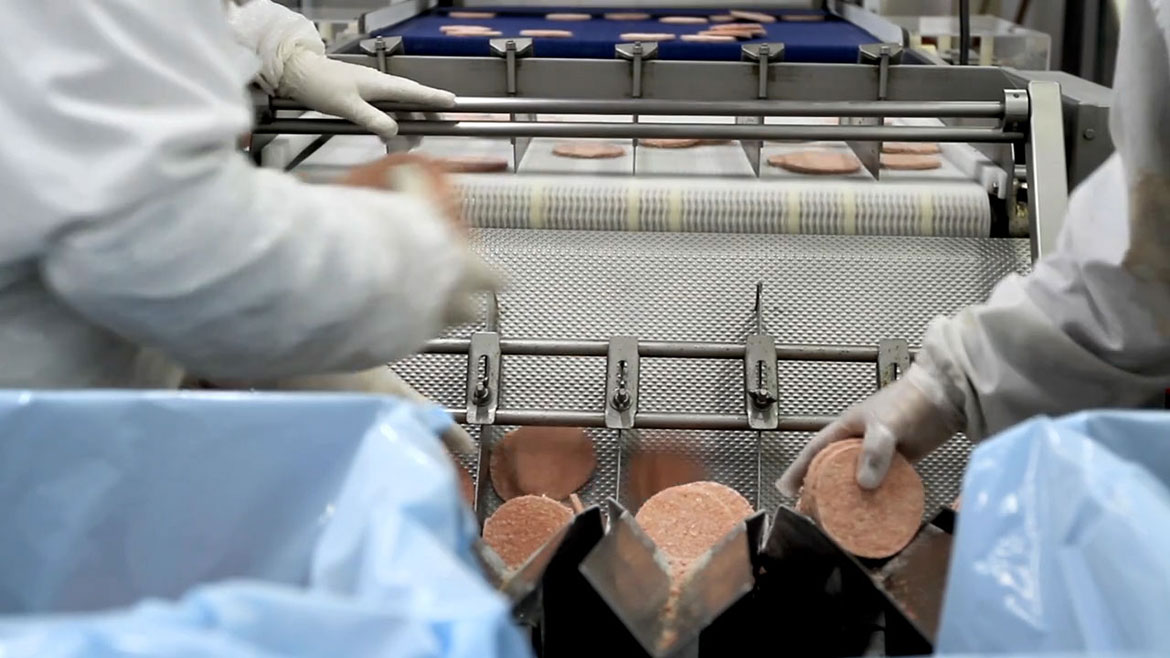
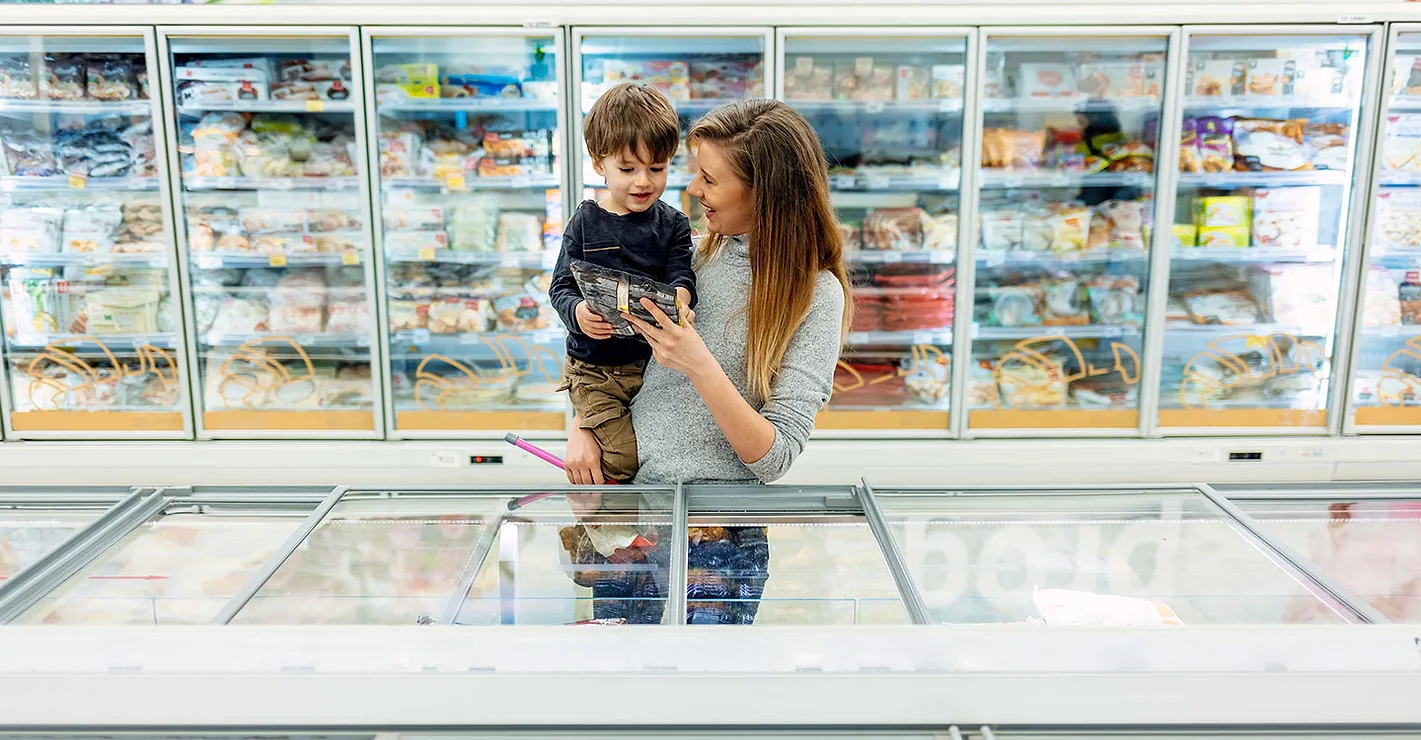
With over half of consumers saying freezer space limits purchases, opportunities exist around resealable, portion-controlled and flexible packaging formats. Photo courtesy of Marcelo Silva / Creatas Video / GettyImages
At the category level, growth has become more selective. In refrigerated, gains are concentrated in categories like yogurt (+12.5%), cottage cheese (+16.9%), refrigerated meat (+15.4%), and refrigerated entrees (+5.2). In frozen, standout areas include frozen fruit (+8.9%), processed poultry (+6.6%), frozen poultry (+6.5%), frozen meat (+11.3%), and novelties (+4%).
In refrigerated, the strongest growth across units and dollars are coming from cottage cheese, yogurt, refrigerated meat, refrigerated entrees and side dishes, according to Circana data.
"These categories suggest consumers are leaning into foods that deliver a combination of protein, convenience, freshness and meal utility," Lyons Wyatt said.
Looking for a reprint of this article?
From high-res PDFs to custom plaques, order your copy today!
In frozen, the outperformance is concentrated in frozen fruit, processed poultry, poultry, meat, novelties and plain vegetables.
"What stands out here is that the winners tend to solve for convenience, versatility and lower waste, while still fitting a wellness or protein-forward mindset. Frozen fruit and vegetables, for example, combine pantry-like usability with health cues, and frozen protein categories are benefiting from consumers seeking easy meal foundations," she said.
Value means more than just lowest price.
Private label refrigerated products hold a 36.5%-dollar share, down 1.1 points YOY; In frozen, private label holds a 27.4%-dollar share, up 0.2 points YOY, according to Circana data.
"That tells us consumers still use private label as a value lever, but the story is not uniformly trade down; shoppers are also selectively paying for categories where they perceive stronger functional or usage benefits," Lyons Wyatt said. "In other words, value today often means getting more usable meals, more flexibility, or better-for-you functionality from a purchase — not just a lower shelf price.
Smaller households are an important growth engine in both departments with one-and two-member households outpacing larger households. Categories like yogurt, cottage cheese, frozen proteins and vegetables can be used in multiple eating occasions without requiring a full family-sized meal commitment.
"That pattern indicates that products with strong portion flexibility, storage stability and lower waste are increasingly relevant," Lyons Wyatt said. "Increased sales across refrigerated entrees, side dishes, lunches, tea/coffee and creamers point to demand across lunch, snack and in-home beverage moments. On the frozen side, the growth in frozen fruit, vegetable, and protein items suggests consumers are building meals more flexibly at home, rather than relying only on traditional center-of-plate frozen entrées."
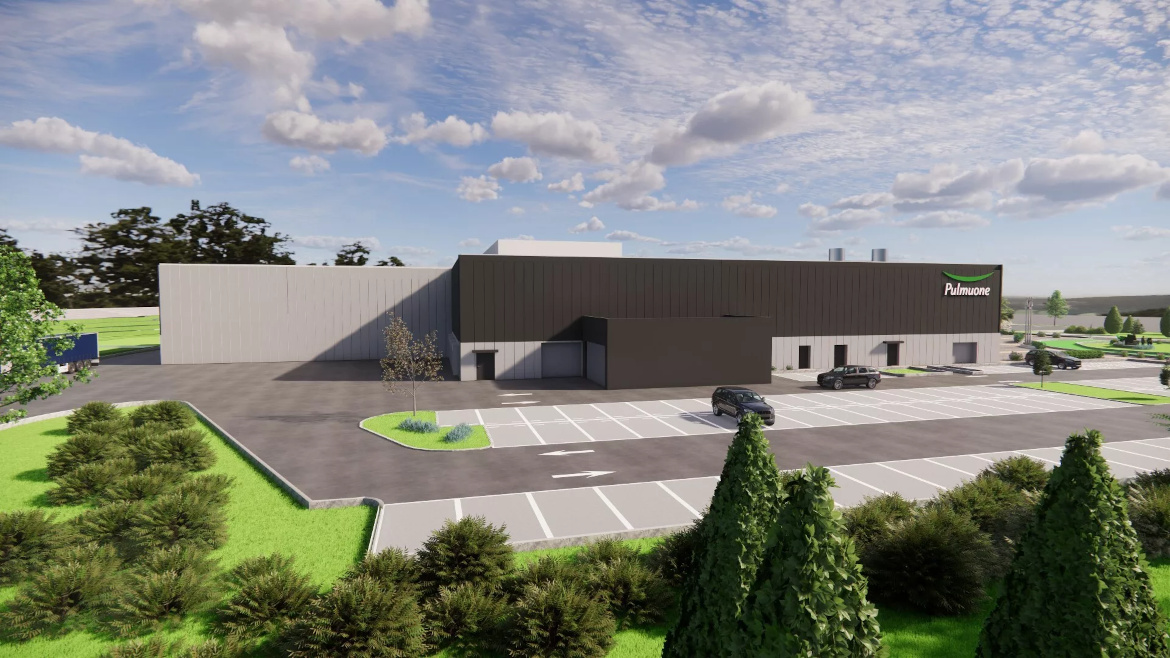
Fueled by consumer interest in plant-based foods, Pulmuone, Nasoya's parent, said tofu sales have increased by 38% from 2022 to 2025. Image courtesy of Nasyoa/Pulmuone
Cold processors and manufacturers continue to invest in facilities to keep up with demand.
New plants opened this year include Gelaty’s $8 million Florida facility to fuel frozen novelty growth;Swaggerty’s sausage production expansion in Tennessee; and BRIDOR doubled production capabilities at its New Jersey facility, including a new Viennese Pastries line, warehouse, research & development center, culinary academy and automated bread line.
And, Nasoya unveiled a $55 million expansion of its Massachusetts manufacturing facility, creating the largest tofu production plant in the world. The 200,000-square-foot site can produce over 2 million servings per day.
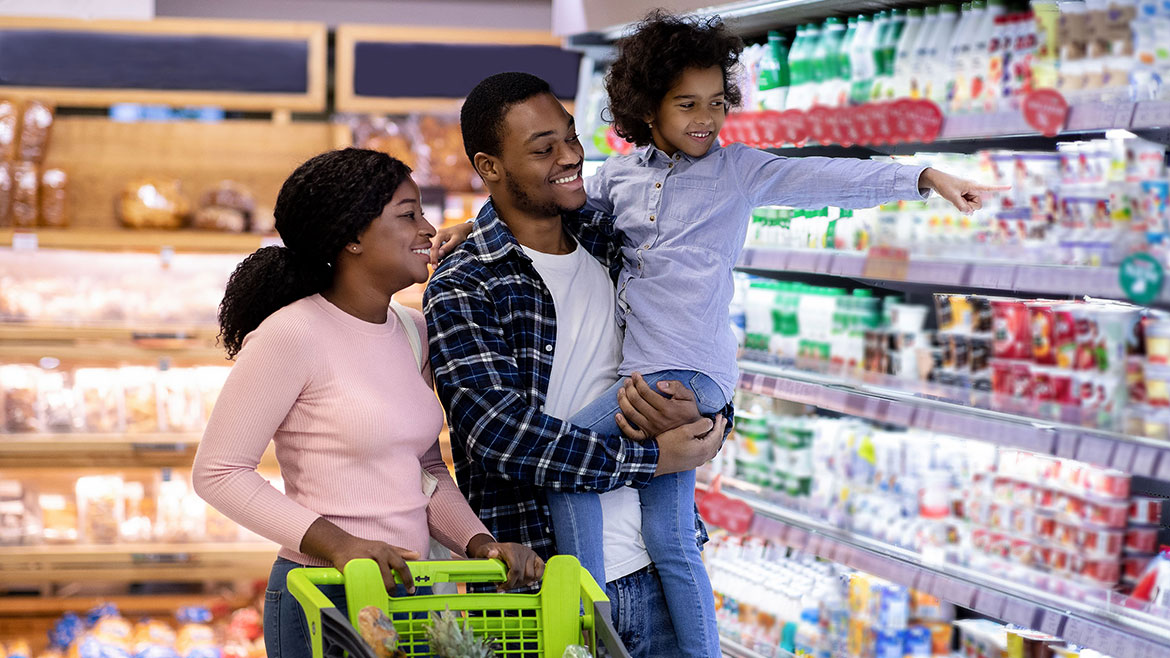
Nearly one-third (30%) of consumers surveyed said they plan to buy more frozen food, the strongest purchase intent measured in years, according to the 2026 AFFI Power of Frozen report. Photo courtesy of Prostock-Studio / GiStock / Getty Images Plus
When it comes to R&D for manufacturers, one of the clearest underdeveloped opportunities is in "modular meal building," Lyons-Wyatt said.
"Growth is strongest in frozen fruit, vegetables and protein, while legacy frozen meal anchors such as pizza and dinners/entrées are softer. That suggests room to innovate around solutions that let consumers assemble meals more flexibly," she said. "In refrigerated ... there appears to be room to further develop snackable protein, meal components and quick-prep products that bridge freshness with convenience."
Consumer education is also among frozen's untapped opportunities, as many people still misunderstand freezing, preservatives and nutrition retention.
According to the AFFI research, only 31% "definitely" knew freezing locks in nutrients and only a quarter said freezing "definitely" does not require preservatives.
Packaging, digital content, recipe partnerships and in-store signage can all play a role in helping consumers understand what frozen foods are and what they are not," Roerink said.The AFFI report also highlights significant gaps between light and core frozen food consumers.
The manufacturers that succeed will be the ones that think beyond individual products and help consumers create complete meal solutions that fit modern lifestyles.
"Core users purchase an average of 10 to 11 frozen categories versus about eight among light users. That suggests growth can come from encouraging shoppers to explore adjacent categories, increase trip frequency and add more frozen items to each meal plan," Roerink said. "In other words, the next phase of growth is less about reaching new households and more about increasing category participation within existing ones."
Annual Top 150 Rankings
Refrigerated & Frozen Foods’ annual Top 150 Frozen Foods Processors Report is a snapshot of the top 25 frozen foods processors in six categories: Meat, Poultry & Seafood; Dairy; Meals & Entrees; Snacks, Apps & Sides; Fruits & Vegetables; and Bakery. This report represents R&FF’s best efforts to reflect recent sales data based on annual reports, news releases and statistics from our sister publications and other business media. Because most companies do not separate refrigerated and frozen category sales from their total sales, the figures are either company-wide or segmented by region (North American sales, for example).
Highlights in Meat, Poultry & Seafood
According to the Power of Meat 2026, meat and poultry (of all types – not just frozen) delivered a record-smashing $112 billion in sales, powered by 6.8%-dollar growth and 2%-pound gains.
Other recent headlines:
- Charcuterie Artisans became the largest U.S. manufacturer of charcuterie products after an acquisition and $12-million expansion.
- Smithfield Foods acquired Nathan’s Famous Hot Dogs and announced plans for a new processing facility in South Dakota.
- The Jensen Meat Company integrated Before the Butcher into its growing plant-based division, Jensen Plant-Based Brands.
- Colorado Premium, a supplier of value-added proteins, acquired Old Hickory Smokehouse, expanding traditional sous vide capabilities
- Teton Waters Ranch was named an R&FF Best New Retail finalist for its clean-label grass-fed & finished frozen burgers.
* FY '25 estimate
** Total company sales, frozen foods is a portion thereof.
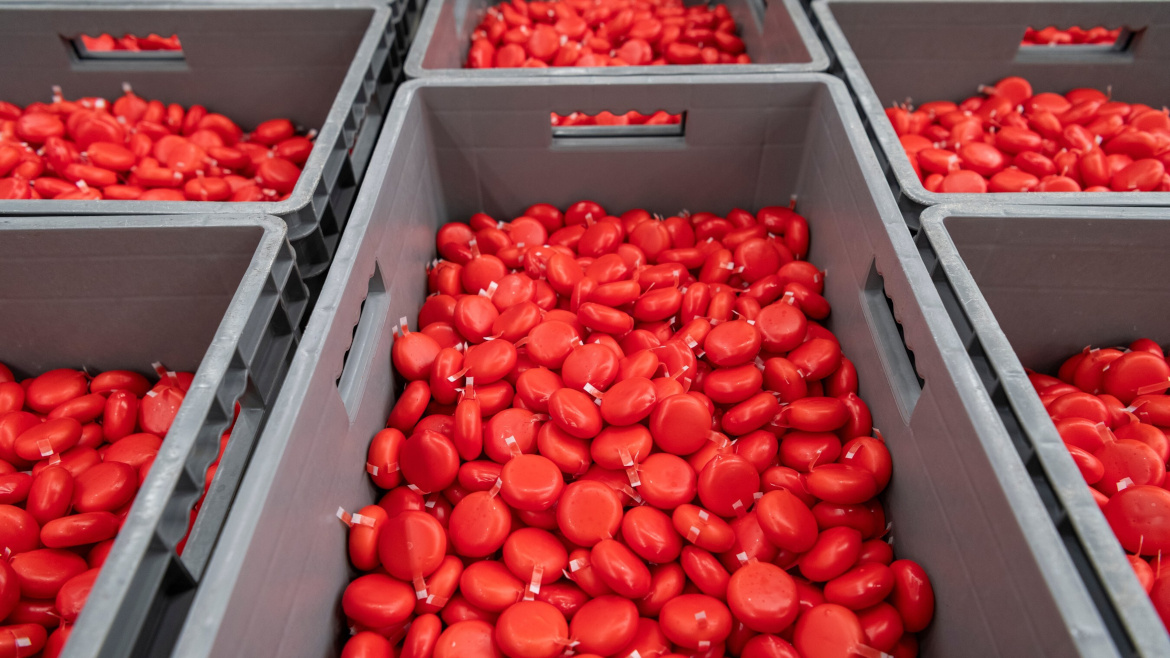
A plant expansion announced earlier this year marks one of Bel's largest manufacturing investments in the U.S. Once complete, it will help meet sustained consumer demand for portion-sized dairy snacks. Photo courtesy of Bel Group
Highlights in Dairy
In December, Unilever completed the demerger of its ice cream unit, with The Magnum Ice Cream Company as a standalone business. The company announced further actions to separate its foods business from Unilever Group, via an acquisition by McCormick.
Other recent headlines:
Chobani plans a $567 million expansion of its La Colombe plant in Michigan, adding over 200,000 square feet of production space.
- Bel Group this spring broke ground on a $200 million expansion of its Babybel facility in South Dakota, doubling annual production capacity to 20,000 tons.
- Good culture announced a majority investment by L Catterton, a consumer-focused investment firm. Over the past three years, good culture sales have increased nearly four times, while helping reignite a cottage cheese category that grew nearly 60% over the same period.
- The Michigan Milk Producers Association (MMPA) expanded ultrafiltered milk processing capacity.
- V&V Supremo Foods, the nation's oldest family-owned producers of authentic Mexican cheese, chorizo, and cremas, announced plans for a new manufacturing facility in Wisconsin.
- Lifeway Foods, Inc., a leading U.S. supplier of kefir and fermented probiotic products, is in the midst of an expansion that will double production capacity at its Wisconsin plant.
- Danone continues to grow its footprint, through recent acquisitions of Huel and MADE Group.
- Two of three of the 2026 Best New Retail Products winners were frozen dairy: My/Mochi and Swoop claimed first and third place respectively.
* FY '25 estimate
** Total company sales, frozen foods is a portion thereof.
Highlights in Meals & Entrees
Protein-packed meals, restaurant-inspired favorites and family-style solutions and are among the key forces driving growth in the U.S. frozen food aisle, according to Conagra Brands’ third annual Future of Frozen Food 2026 report.
Other recent headlines:
- West Liberty Foods launched a new product line of pre-assembled deli sandwiches through a collaboration with Lineage’s Tremonton, Utah, facility—creating a seamless, vertically integrated operation.
- InnovAsian Cuisine Enterprises plans a state-of-the-art frozen food manufacturing facility in Arkansas to increase production capacity for its high-growth multi-serve entrée line.
- Rich Products acquired Great Kitchens Food Company, North America's largest manufacturer of private label take & bake pizzas – and home to the iconic Uno Foods brand.
- Seenergy Foods expanded frozen RTE ingredient solutions across North America, opening its second production facilityand launching a new IQF pasta line.
- Mama’s Creations, Inc., a leading manufacturer of fresh deli prepared foods, acquired Crown I Enterprises Inc., a full-service manufacturer of ready-to-eat meals and a wholly owned subsidiary of Sysco Corporation, for $17.5 million.
* FY '25 estimate
** Total company sales, frozen foods is a portion thereof.
Highlights in Snacks, Appetizers & Side Dishes
The Kraft Heinz Company made news in February when it scraped plans to separate into two companies. Last month, officials announced a new operating structure backed by $600 million in marketing, sales and R&D to "accelerate the momentum we are already seeing in our Taste Elevation portfolio and to drive recovery in our U.S. business," said CEO Steve Cahillane.
Other recent headlines:
- Little Sesame will quintuple annual capacity – up to 20 million pounds of hummus – in its new Maryland facility.
- Reser’s Fine Foods marked 75 years in business as it crossed $2 billion in annual sales and was named R&FF’s 2025 Processor of the Year.
- Premium French fry brand Jesse & Ben’s announced a $10 million Series A funding found, after +1,100% growth in 2025.
* FY '25 estimate
** Total company sales, frozen foods is a portion thereof.
Highlights in Fruits & Vegetables
Frozen fruits and vegetables are one of the strongest growth engines, generating $10.3 billion in sales last year, up 2.8% YoY, according to AFFI. Frozen fruit specifically saw a near 10% jump YoY, with units +7.3% and volume +2.6% YoY, as consumers increasingly use frozen produce as a meal ingredient rather than a side dish.
Other recent headlines:
- Bonduelle Americas established Philadelphia as its Growth Hub, as it looks to scale its plant-rich food business across the store and beyond.
- Taylor Farms acquired the largest commercial greenhouse in the Mid-Atlantic region.
- B&G Foods sold the Green Giant U.S. frozen vegetable product line to Seneca Foods Corporation.
- Indoor microgreens grower AeroFarms was acquired.
* FY '25 estimate
** Total company sales, frozen foods is a portion thereof.
Highlights in Frozen Bakery
Convenience foods, snacking and increased foodservice and BOH needs have spurred innovation in the frozen bakery segment.
Other recent headlines:
- Rise Baking Company announced a major expansion of its Utah facility to support growth across multiple product categories, including increased pie production capacity.
- Gonnella Baking Company acquired Lineage Manufacturing, LLC in Washington, expanding frozen dough capabilities.
- Europastry, a global leader in the frozen bakery sector, is purchasing Highland Baking Company, a family-owned U.S. producer of premium breads for foodservice.
* FY '25 estimate
** Total company sales, frozen foods is a portion thereof.