Refrigerated Frozen Foods logo
search
cart
facebook twitter linkedin youtube
  • Sign In
  • Create Account
  • Sign Out
  • My Account
Refrigerated Frozen Foods logo
  • NEWS
  • PRODUCTS
  • COLD STORAGE
    • Cold Storage Trends
    • Farm to Frozen
    • Supply Chain & Logistics
  • PACKAGING
  • TOPICS
    • Food Safety
    • Product Development & Manufacturing
    • Sustainable Solutions for Cold Foods
  • MEDIA HUB
    • Play Our Word Game
    • Podcasts
    • Videos
    • Polls
    • Webinars
  • DIRECTORIES
    • Cold Storage Construction Guide
    • Warehouse Guide
    • Food Master
  • MORE
    • Cold Chain Perspectives
    • Case Studies
    • C-Suite Q&A
    • Top 150 Processors
    • Awards >
      • Best New Retail Products
      • Cold Storage Facility of the Year
      • Processor of the Year
    • Directory of Associations
    • R&FF Store
    • Calendar of Events
    • FA&M Conference & Expo
  • EMAG
    • eMagazine
    • Archive Issues
    • Contact
    • Advertise
  • SIGN UP!
Cold Foods PackagingFood Safety

How Packaging Affects Cold Food Safety
By Andrea Niemann-Haberhausen
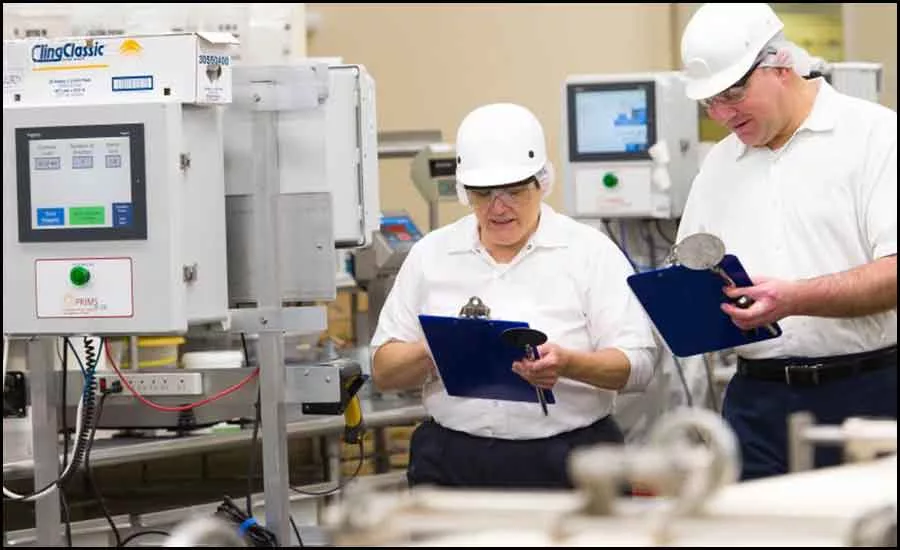
Auditors Food Processing Plant

By selecting the right audit scheme, manufacturers can help ensure the safety and quality of their product and its packaging through its demanding journey. Image courtesy of AIB International.

Andrea Niemann-Haberhausen AIB International

Andrea Niemann-Haberhausen is a consultant for AIB International.

Auditors Food Processing Plant
Andrea Niemann-Haberhausen AIB International
June 1, 2021

Demographic changes and consumer behavior are driving increased demand for refrigerated and frozen foods. Even the pandemic has had an influence on their consumption. As many restaurants have closed or reduced their seating, more shoppers are reaching for frozen pizza, ice cream and other foods they can enjoy at home. This makes it increasingly important to ensure not only the safety of the food being produced, but also its packaging. 

Almost every refrigerated or frozen food product must be stored, transported, and sold with suitable packaging. For manufacturers and retailers, that packaging must enable damage-free transport, ensure stability, be easy to stack, and be lightweight to keep transportation costs low. For consumers, packaging must be easy to handle and practical, be environmentally friendly, protect the food from damage, and must not release harmful substances into the food. The right packaging also makes these products easier to promote, merchandise, and for consumers to select.

These diverse demands require a variety of different packaging materials. Typical materials can include plastic, glass, paper, and cardboard, as well as natural materials like cork, jute or cotton, and aluminum or tinplate. Many solutions even call for varied combinations of these and other materials. Walking the grocery aisles, consumers can choose from a wide range of packaging material that includes menu trays, PE bags, steamer bags for vegetables, traditional waxed cardboard packages, and cans for beverages.

But too often, the importance of packaging in regard to its food safety benefits can be an afterthought. Food packaging material must be appropriate to the extraordinarily high sensitivity of prepared foods, as these foods can be exposed to numerous opportunities for spoilage from the time they are packaged until they are prepared by a consumer. Packaging material keeps harmful environmental influences such as light, oxygen and moisture away from the product, while reducing potential contamination and damage. This reduces the spoilage caused by microorganisms, as well as flavor changes and vitamin loss. Packaging also limits foreign odors and helps maintain freshness for an extended period.

In addition, packaging communicates important information to the consumer, including allergen statements, ingredients and nutritional facts, and the best by date. In this way, packaging helps ensure the quality and safety of food products.

For refrigerated and frozen foods, temperature requirements and humidity can prompt additional challenges. In many cases, the packaging material must withstand not only cold temperatures, but also the microwave oven that allows for fast and convenient preparation. This presents yet another food safety consideration, as heating food in the package can lead to migration from the packaging material into the food. To ensure food safety in these conditions, the demands on packaging are even higher.

Food Safety Audit

By selecting the right audit scheme, manufacturers can help ensure the safety and quality of their product and its packaging through its demanding journey. Image courtesy of AIB International.


Because food packaging materials are also food contact materials, they must be inert, which means that no substances that would impair food safety may be transferred from them to the food. Accordingly, these materials must be manufactured in accordance with what are known as "good manufacturing practices," or GMPs. As a result, their production must be carried out within the framework of documented quality assurance systems and according to defined specifications, which are commonly referred to as certification standards. 

Depending on a variety of factors, including the country of destination of the food being packed, and often the demands of the retailer, these standards can be very diverse. Choosing the right standard and audit scheme for the operation can help ensure that food safety and quality programs meet internationally recognized requirements, which in turn increases the chances of doing business within the food industry.

When assessing the different standards to help prove that the implemented quality management system is sound and strong, it makes sense to choose one of the GFSI benchmarked schemes. It is important to emphasize that only those programs with an on-site component are currently benchmarked.
The four programs in place are IFS PacSecure, BRCGS, SQF, and FSSC 22000. Both IFS and BRCGS under the accreditation of ISO 17065 have a strong focus on quality, food safety, and legality. The SQF code also under ISO 17065 has three certification levels. Level 1 is entry level and for low-risk products only. Level 2 is GFSI benchmarked, focused on food safety and is the most often used SQF Level, while Level 3 also incorporates quality. FSSC 22000 targets primarily food safety and legal compliance. Out of the four, FSSC 22000 is the only standard under the management systems’ accreditation without a graded result. IFS PacSecure and BRCGS do have a straight-forward one step certification process in place, while SQF and FSSC 22000 each require a two-stage audit process.

The importance of packaging for refrigerated and frozen foods cannot be overlooked. The standard that best suits the needs of the packaging manufacturer largely depends on the customer they are supplying to and the challenge the company is willing to take on. By selecting the right audit scheme for the operation, manufacturers can help ensure the safety and quality of the product and its packaging through its demanding journey.

KEYWORDS: certification food safety analysis food safety certification food safety strategy packaging materials packaging trends

Share This Story

Looking for a reprint of this article?
From high-res PDFs to custom plaques, order your copy today!

Rff foods headshot 900x550

Andrea Niemann-Haberhausen is a consultant for AIB International.

Recommended Content

JOIN TODAY
To unlock your recommendations.

Already have an account? Sign In

  • Best New Retail Products of 2026 badge with grocery store refrigerators in the background.

    Top of the Freezer: R&FF’s Best New Retail Products

    From BFY proteins to globally inspired treats, these...
    Cold Foods Industry News
    By: Kelley Rodriguez
  • Pasco Exterior

    Reser’s Fine Foods: From Farmhouse Kitchen to ‘Good Times’ Everywhere

    A home-based potato salad company started 75 years ago...
    Cold Foods Industry News
    By: Kelley Rodriguez
  • FromtheColdCorner-Anchor_1170x658.jpg

    EPR, Plastic Packaging for Cold Foods & More

    As consumer and regulatory pressure put plastic in the...
    Sustainable Solutions for Cold Foods
    By: Kelley Rodriguez
Manage My Account
  • eMagazine
  • What’s Hot in Cold Newsletter
  • Manage My Preferences
  • Online Registration
  • Customer Service

More Videos

Popular Stories

From the Cold Corner with Americold's Rob Chambers feature image

How Cold Chain Strategy Is Replacing Capacity

Best New Retail Products of 2026 badge with grocery store refrigerators in the background.

Top of the Freezer: R&FF’s Best New Retail Products

1170x658 of Cold Storage Podcast with Jennifer Jewers Bowlin and Craig Handy

ASRS, AI & Adaptability: What's Shaping the Future of Cold Storage

2026 Processor of the Year


Does your facility lead the industry? Nominate your cold storage facility today!

Events

June 17, 2025

Refrigerated & Frozen Foods’ State of the Cold Chain

On Demand Kelley Rodriguez, Editor in Chief of Refrigerated & Frozen Foods, will be joined in this 60-minute webinar by industry experts to help unpack the latest research.

January 1, 2030

Webinar Sponsorship Information

For webinar sponsorship information, visit www.bnpevents.com/webinars or email webinars@bnpmedia.com.

View All Submit An Event

Products

Water Activity in Foods: Fundamentals and Applications, 2nd Edition

Water Activity in Foods: Fundamentals and Applications, 2nd Edition

See More Products
New Retail Products

Explore the newest flavors, textures, and innovations in the frozen food aisle!


SEE WHAT'S NEW!
Play Refrigerated & Frozen Foods’ Cool Word of the Week! There's a new word every Wednesday.

Related Articles

  • John King

    How Packaging Affects our Food Choices

    See More
  • Cold Food Safety: Certified safe

    See More
  • Cold Food Safety: Clean sweep

    See More

Related Products

See More Products
  • food safety.jpg

    Food Safety for the 21st Century: Managing HACCP and Food Safety Throughout the Global Supply Chain, 2nd Edition

  • food book.jpg

    Validating Preventive Food Safety and Quality Controls 1st Edition

  • Handbook of Frozen Food Processing and Packaging, Second Edition

See More Products

Events

View AllSubmit An Event
  • April 16, 2026

    Smart Solutions for Cold Food Safety

    On Demand This webinar helps frozen and refrigerated food processors strengthen cold chain management to ensure food safety, compliance, and product integrity.
  • July 13, 2016

    FSNS ANNOUNCES FOOD SAFETY CONFERENCE AND LAB GRAND OPENING JULY 13; Event Features Food Safety Topics, Lab Grand Opening and Temple Grandin Book Signing

    San Antonio, TX—June 6, 2016—Food Safety Net Services (FSNS) and Food Safety Net Services Certification and Audit (FSNS C&A) today announced the FSNS Food Safety Conference in Amarillo, Texas on Wednesday, July 13. A tour and reception of the FSNS Amarillo Laboratory will follow after the conference along with a book signing by Dr. Temple Grandin.
View AllSubmit An Event

Related Directories

  • Power Construction Cold+Food Group

    Our team delivers integrated design-build services for cold storage, food processing, and distribution facilities nationwide—bringing designers, builders, and in-house structural engineers together to solve complex challenges, control costs, and keep projects on schedule. From small box-in-box repairs to 300,000+ sf campuses, we bring experience across -20°F freezer environments, chilled processing areas, and ambient support spaces. With self-perform insulated metal panel (IMP) capabilities and deep technical expertise, we streamline every phase of construction to ensure quality, speed, and long-term performance.
  • Aptar - Food Protection

    Aptar - Food Protection is part of AptarGroup, Inc., that provides food protection solutions, applying active packaging science and equipment and processing expertise to develop advanced systems that help extend freshness and enhance safety for fresh-cut produce, seafood, and more. The company offers custom active packaging solutions that protect against foodborne pathogens, reduce food waste, and deliver improved consumer experiences. In addition to their active packaging solutions, the company’s portfolio includes a range of packing trays, pouches, retail and mini containers, slicing equipment, lidding film, and tray-sealing technology.
×

Elevate your expertise in refrigerated and frozen foods with unparalleled insights and connections.

Get the latest industry updates tailored your way.

JOIN TODAY!
  • RESOURCES
    • Advertise
    • Contact Us
    • Directories
    • Store
    • Want More
  • SIGN UP TODAY
    • Create Account
    • eMagazine
    • Newsletter
    • Customer Service
    • Manage Preferences
  • SERVICES
    • Marketing Service
    • Reprints
    • Market Research
    • List Rental
    • Survey/Respondent Access
  • STAY CONNECTED
    • LinkedIn
    • Facebook
    • YouTube
    • X (Twitter)
  • PRIVACY
    • PRIVACY POLICY
    • TERMS & CONDITIONS
    • DO NOT SELL MY PERSONAL INFORMATION
    • PRIVACY REQUEST
    • ACCESSIBLITY

Copyright ©2026. All Rights Reserved BNP Media, Inc. and BNP Media II, LLC.

Design, CMS, Hosting & Web Development :: ePublishing