Current Trends in Cold Facility Construction
Catalysts and concerns affecting design-build business for Q4 of 2021.
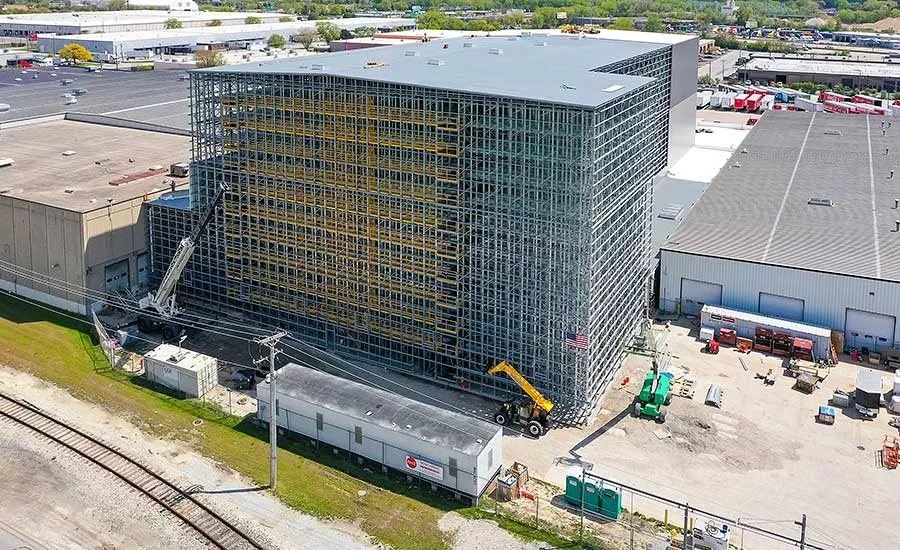
Photo courtesy of ESI Group USA.
The facilities that produce, package, store, and distribute cold foods were truly essential in helping the supply chain satisfy record demand for those products during 2020, while the paradigm shift created by pandemic shopping habits—particularly e-commerce—is still being felt today. As a result, many design-build firms are busier than ever, as the need for cold storage space, plant expansions, facility renovations, fulfillment centers and distribution hubs has only increased.
We recently surveyed several firms about what’s driving business this year, and also, what’s driving them crazy when it comes to material shortages, labor needs, unrealistic timelines, and more.
Because this is a highly competitive industry, we’ve kept the participants anonymous so the information can be framed as an overview of specific topics, and not reflective of one particular firm—especially in relation to the number of projects underway/completed/in the pipeline. This also allowed those answering to be more forthcoming with details, as some did not wish to participate otherwise.
Based on our survey results, here’s what our design-build respondents had to say about the business of cold facility construction in 2021.
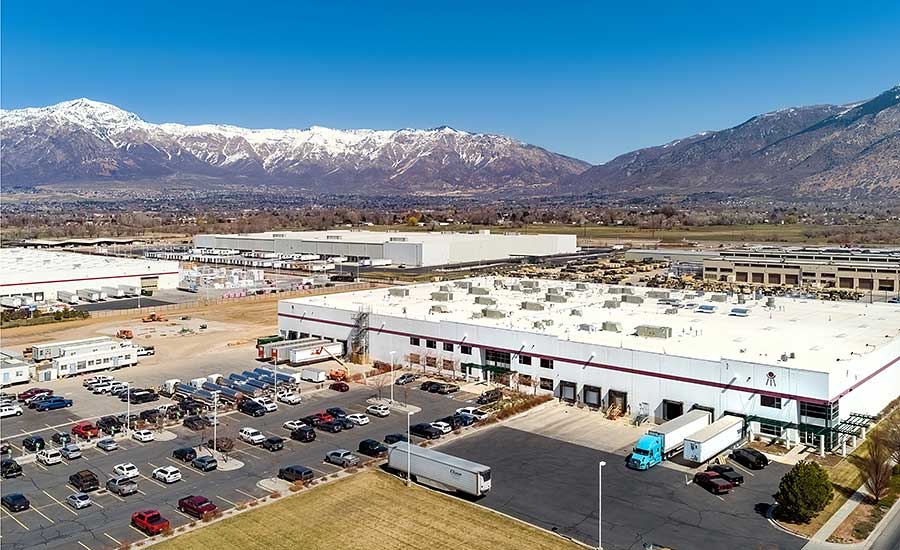 While the exact numbers vary, most of those surveyed say approximately 70% of their projects are renovations/retrofits, while the rest are new-build/greenfield sites. Of those projects, about 60% are cold storage/distribution centers, and the remaining 40% are cold food processing facilities. Photo courtesy of Big-D Construction.
Material Shortages
Cold foods manufacturers have been experiencing ingredient shortages for most of 2021, due to supply chain irregularities and delays in delivery. Cold facility construction is enduring the same level of unpredictability for building materials, especially joists, steel, petroleum-based products like plastics, insulation, metal panels, glass and more. Some of those surveyed also say obtaining permits for projects today is slower than years past.
Those that can secure materials need a longer lead time for delivery, which is affecting schedules to complete projects, and in some cases, cause owners to reconsider, particularly as inflation is driving prices up for those materials, impacting budgets. All of the firms surveyed say they expect this to continue into 2022, potentially affecting timelines next year as well.
Speed To Market
Building material shortages are slowing projects originally slated with aggressive timelines for opening, due to heightened demand for cold storage space driven largely by e-commerce/direct-to-consumer deliveries and last-mile logistics. Also, with ingredient unpredictability, some cold foods companies are producing extra products while they can and looking for a place to store them instead of relying on a fluctuating supply chain to distribute them as scheduled.
Some of our respondents say due to accelerated timelines, they’re building what owners have identified as essential areas of a facility first in a phased approach, so those spaces can be utilized immediately, while the remaining construction takes place around it until completion. Others say an alternative solution is locating and retrofitting existing buildings to put a facility into operation faster than a new-build project if speed to market is crucial.
 Like many other industries, design-build and construction are experiencing staff shortages, and working hard to retain the labor they already have. Photo courtesy of ESI Group USA
Labor Crunch
All of our respondents say the current labor shortage is worse in 2021 than it was during the pandemic last year. Some say a combination of factors is driving today’s crunch: a retiring workforce of older staff—some nudged to move on by the pandemic last year—coupled with a very small pool of younger workers to replace them has created a gap. Others mention unemployment benefits during the past year giving people less incentive to work, which is a situation cited in several other industries experiencing a compressed labor market as well.
Competition is also fierce for employees in cold facilities. Our respondents say they’ve been asked to create modern and engaging office spaces, lobby areas, staff break rooms, and more, in the hopes that those spaces will help attract new workers and enable companies to retain existing employees too.
Automation
Because of the unpredictability of the labor market mentioned above, many owners are asking design-build firms to add as much automation as possible to their facilities—within budget—helping to fill productivity gaps and reduce their reliance on people to complete tasks. Owners are weighing the cost factor as well, since the upfront price of automation can be high, but long-term savings can be realized with reduced labor expenses.
Of all the questions on our survey, nearly all of our respondents answered that automation was the top request from owners for new-build and renovated facilities over the past year. Most owners are also asking for energy-efficient and resource-saving materials and designs to enable facilities to save money on operating costs and utilities over time.
 Automation was a top request by cold-facility owners among our survey respondents this year. Photo courtesy of ARCO National Construction.
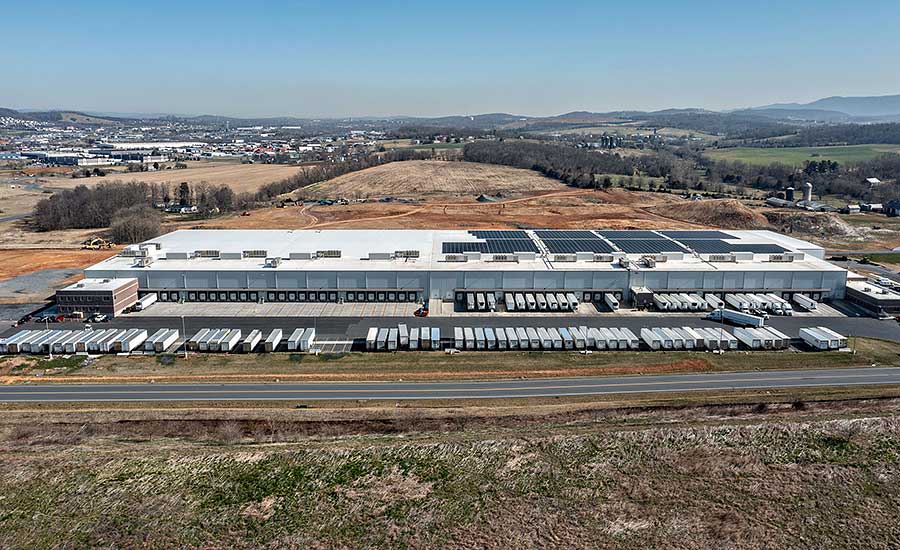 Energy-saving materials like these solar panels are also a high-priority for owners looking to cut operating costs and utility usage. Photo courtesy of ARCO National Construction.
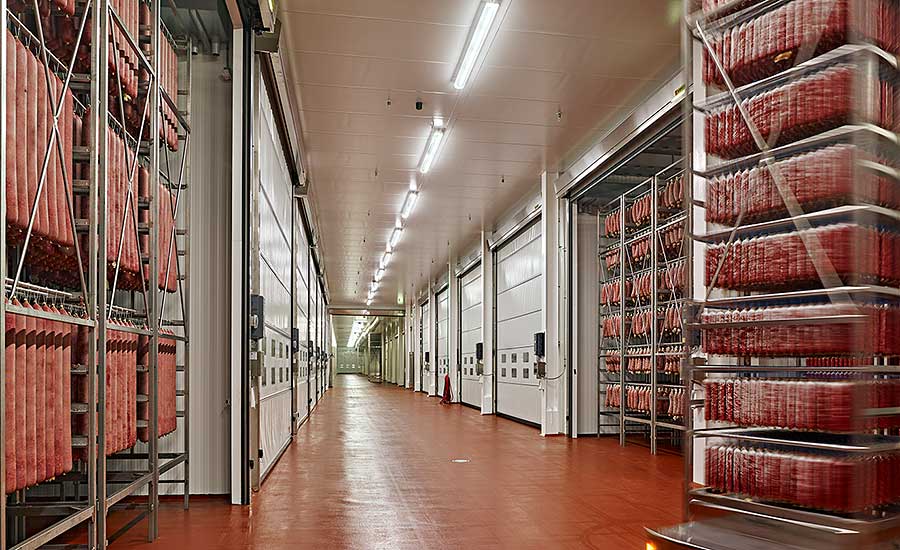
Whether a project is a cold storage warehouse or a food processing facility with attached cold storage, our survey respondents say owners are asking for built-in expansion capabilities to enable growth in the future. Photo courtesy of A M King.
Project Types
While the exact numbers vary, most of those surveyed say approximately 70% of their cold facility projects are renovations or expansions, while the rest are new-build sites. A few firms have those numbers reversed: 70% greenfield and 30% retrofit. Of those projects, about 60% are cold storage facilities/distribution centers, while the remaining 40% are food processing facilities with cold storage attached.
The firms we contacted also say many owners want facilities that have built-in expansion capabilities and room to grow in the future, anticipating the industry will continue its upward trajectory.
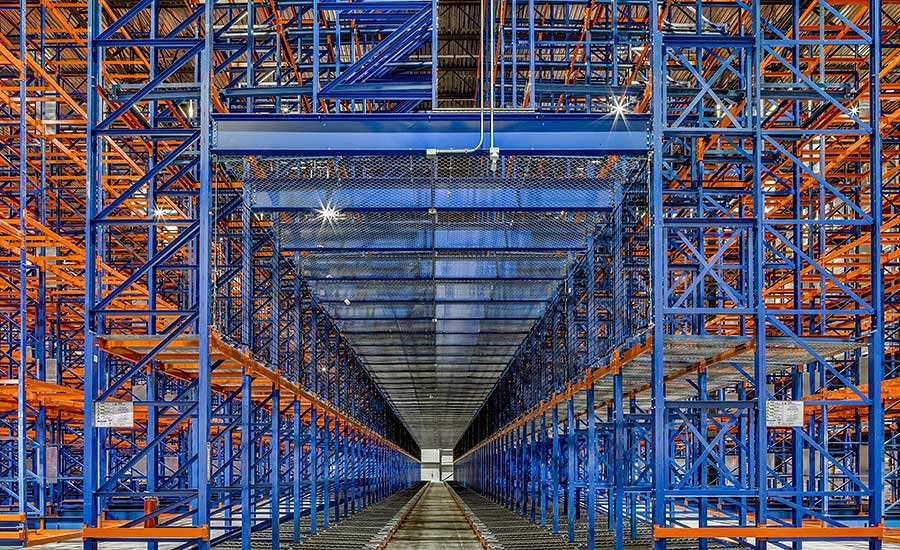
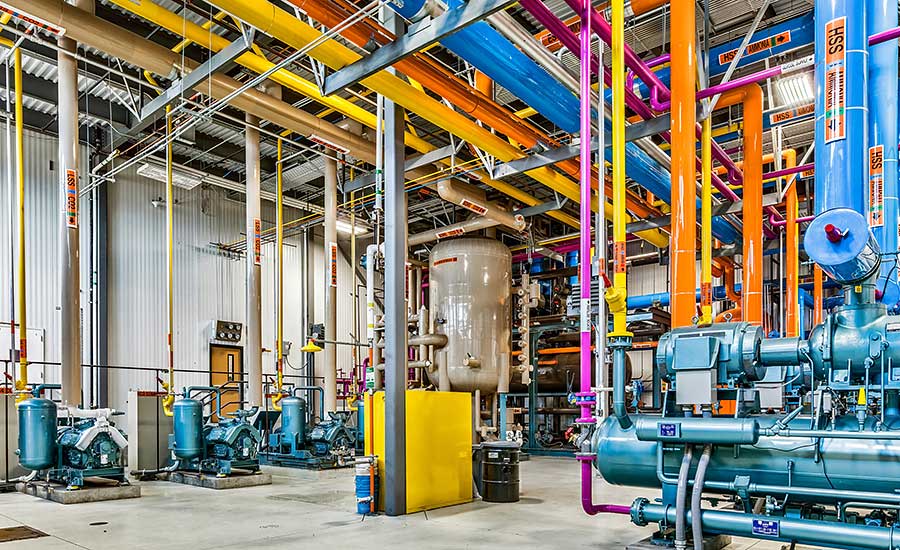
Flexible, speculative facilities can host several companies under one roof, leasing designated cold storage areas and/or food processing space to satisfy a variety of business needs. Photos courtesy of Big-D Construction.
Speculation And Consolidation
Our respondents say a growing portion of their projects are flexible speculative facilities, with owners leasing out convertible space in those buildings to satisfy demand for storage, and in some cases, small-scale cold foods processing as well, with the total square footage eventually leased to different companies under one roof. This serves as an option for cold foods startups wanting to scale up production without building their own facilities, and for existing companies to lease space with distribution potential in emerging regions to speed up last-mile logistics needs.
Some of those surveyed say consolidation in the industry—particularly with larger companies acquiring smaller cold facility businesses—is making it difficult to maintain relationships with clients due to turnover after acquisition, and having to build those relationships all over again. Some respondents say this can be a temporary setback for repeat business opportunities.
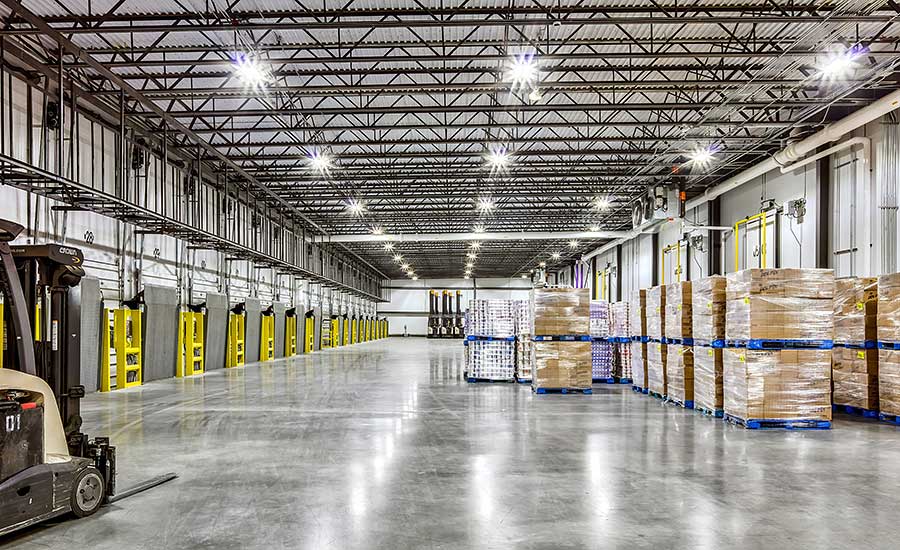
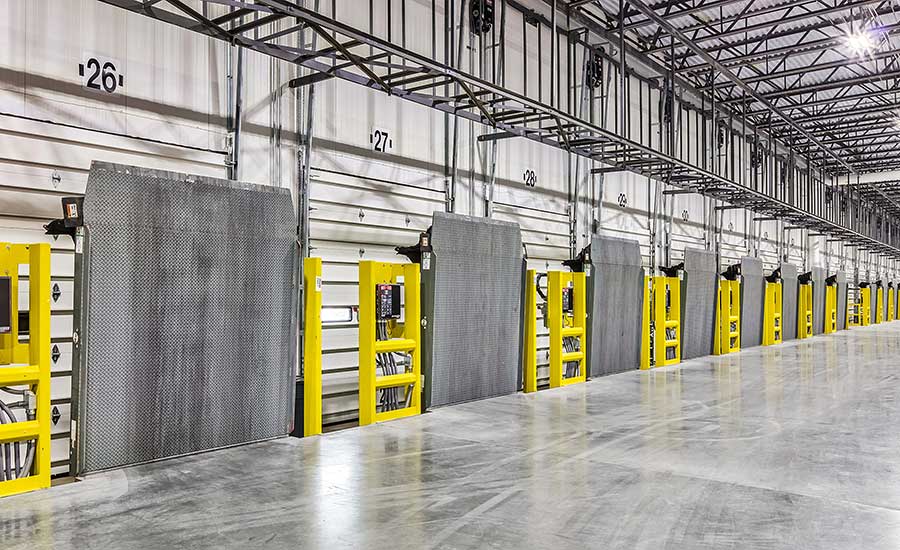
All of our survey respondents say they have the same amount of work or more scheduled for 2022, while nobody responded that they have fewer projects slated for next year. Photos courtesy of Big-D Construction.
Overall Outlook
Our respondents report a wide range as far as the exact number of projects slated for completion this year and those in the pipeline for next year, so comparisons for total volume of work will vary depending on the firm. However, from a year-over-year growth standpoint, every firm we contacted says they have at least as many cold facility projects scheduled for 2022, and in many cases, they have even more work next year, in the range of +25%. No firm we contacted has less work on the books for 2022, and some say they expect to be very busy into 2023 at the current pace.
Finally, many of those surveyed say the post-pandemic era hasn’t arrived yet due to the Delta variant, so there may be continued coronavirus impacts this year affecting labor challenges, productivity, manufacturing, and shipping along the cold chain.
Looking for a reprint of this article?
From high-res PDFs to custom plaques, order your copy today!