Refrigerated Frozen Foods logo
search
cart
facebook twitter linkedin youtube
  • Sign In
  • Create Account
  • Sign Out
  • My Account
Refrigerated Frozen Foods logo
  • NEWS
  • PRODUCTS
  • COLD STORAGE
    • Cold Storage Trends
    • Farm to Frozen
    • Supply Chain & Logistics
  • PACKAGING
  • TOPICS
    • Food Safety
    • Product Development & Manufacturing
    • Sustainable Solutions for Cold Foods
  • MEDIA HUB
    • Play Our Word Game
    • Podcasts
    • Videos
    • Polls
    • Webinars
  • DIRECTORIES
    • Cold Storage Construction Guide
    • Warehouse Guide
    • Food Master
  • MORE
    • Cold Chain Perspectives
    • Case Studies
    • C-Suite Q&A
    • Top 150 Processors
    • Awards >
      • Best New Retail Products
      • Cold Storage Facility of the Year
      • Processor of the Year
    • Directory of Associations
    • R&FF Store
    • Calendar of Events
    • FA&M Conference & Expo
  • EMAG
    • eMagazine
    • Archive Issues
    • Contact
    • Advertise
  • SIGN UP!
Cold StorageCold Chain Perspectives

Lift Truck Safety Concerns for Cold Storage

Refrigerated and frozen food operations introduce additional layers of complexity demanding specialization.
By Greg McGoogan, Major Accounts Manager, Yale Lift Truck Technologies
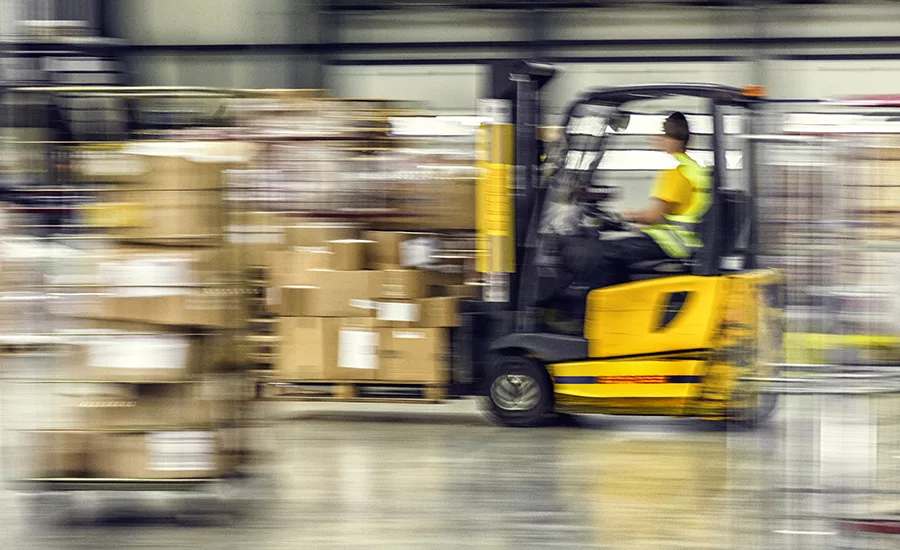
Blurred motion of forklift in warehouse
Getty Images
Cold environments bring unique considerations. Courtesy vm/E+/Getty Images.
April 4, 2025

Forklift safety is a critical consideration across industries, with OSHA estimating approximately 35,000 serious injuries involving forklifts annually in warehouses and distribution centers. Although many incidents, like tip-overs, pedestrian collisions, falling loads and impacts with other equipment or objects, are common across all warehouse environments, cold and frozen food operations introduce additional layers of complexity demanding specialization.

Forklifts and freezers bring additional safety concerns. Freezers come in all shapes, sizes and operating temperatures – from grocery freezers maintaining 10 degrees Fahrenheit, to blast freezers that maintain temperatures as low as -40 degrees Fahrenheit. Most lift truck manufacturers can put together a package specifically designed for operating at low temperatures. But, regardless of the type of freezer in which they’re operating, forklifts – even when specially equipped for the cold – are not meant to live in a freezer full time.

Safety concerns specific to freezer environments include:

  • Duration of operation: The amount of time spent in low temperatures is a primary concern for both equipment and operators.
  • Temperature transition: Condensation on the floor of the cab creates a potential slipping hazard for the operator and condensation on the truck can drip onto the warehouse floor and freeze, turning it into a skating rink. This is especially true in transition areas where the trucks are moving between freezing and ambient temperatures. Good housekeeping practices to monitor and remove ice buildup, whether manually or with food-friendly salts, goes hand-in-hand with lift truck best practices in keeping these areas safe.
Yale forklift
Due to the effects of cold on hydraulics, electrical and other systems, lift truck maintenance checklists are more extensive for refrigerated and frozen food operations. Courtesy Yale Lift Truck Technologies

Forklift Maintenance for Cold Storage Environments

Due to the effects of cold on hydraulics, electrical and other systems, lift truck maintenance checklists are more extensive for refrigerated and frozen food operations. A consistent inspection schedule and periodic preventative maintenance are critical. Some areas of concern include:

  • Condensation: Because the lift trucks used in cold storage environments are electric trucks, care must be taken to prevent moisture from compromising its electrical system. Water can also permeate bushings and bearings, deteriorating the grease. Condensation can result in damage to bearings and load wheels occurring more frequently if not properly maintained.
  • Food safety: Even operations that only handle finished food products are wary of any potential for contamination. Make it a standard practice to check forklifts for rust and fluid leaks that could risk compromising food products and packaging.
  • Damage and poor operating practices: Lift trucks that work extensively in freezers are often prone to more abuse than those used in ambient environments. Operators don’t want to remain in the cold any longer than they must, and in their haste to get in and out as quickly as possible, trucks and racking can be subject to additional wear and damage.

Full-scale periodic maintenance with a good service partner that can monitor operational hours and mechanical condition is crucial to keeping lift truck fleets operational and safe.

Outfitting Lift Trucks for Cold Storage Operations

Outfitting a lift truck for operation in cold storage environments means little, if any changes to the chassis or general makeup of the truck. While most updates are subtle and out of sight, they are critical to the longevity and performance of equipment, and safety and comfort of operators. Systems include:

  • Electrical: The electronics are a focus, with connection points that are water sealed to protect electrical systems from damage due to condensation.
  • Fluids: Hydraulic fluid and oils are swapped out for formulations with a lower operating temperature range. Typically, fluids for ambient temperature trucks have an operating range of 32 to 120 degrees Fahrenheit; freezer-rated fluids have a range of 0 to 120 degrees Fahrenheit; and sub-zero rated fluids have a range of 40 to 80 degrees Fahrenheit below zero. However, advances in oils and hydraulic fluids have enabled a much broader operating range. This is important because many operations don’t have a dedicated freezer fleet, meaning the trucks may be required to operate in both ambient and sub-zero environments.
  • Specially designed cabs: Trucks used in freezers are typically designed with cabs that are expanded with larger operating platforms or seats to accommodate the extra bulk of the operator’s protective clothing. Additionally, floors can be covered with porous material or equipped with drain holes to help prevent water buildup that could become a slipping hazard.
  • Controls: Heated cabs and controls can allow operators to wear less bulky protective gear and gloves. This is particularly important for operations in warmer climates, where the temperature transition from freezer to ambient temperatures can be particularly extreme.
  • Battery technology: Both lithium-ion and lead-acid batteries must be equipped to avoid damage from condensation and perform in low temperatures. Sealed battery compartments, sealed connections, battery management software and built-in heaters are all available to make batteries viable solutions for cold environments.
  • Tires: Just as cars in northern climates need snow tires, lift trucks need proper tires to operate safely and effectively in cold storage environments. From standard drive tires with diagonal treads to push water away in areas with standing water, to tires with rough surfaces that can grip on icy surfaces, there are a wide variety of tire options available to suit most conditions.

Although there are many factors for cold storage warehouse operations to consider when it comes to lift truck safety and related issues, a foundational key to success is establishing a culture of safety. A major issue facing warehouses today – especially in the refrigerated and frozen space – is retention of talent. With new operators joining on a regular basis, it is essential to have well-established safety practices.

New technologies are becoming available to support lift truck safety and make them operate more effectively in refrigerated and frozen environments. Navigating the complexities of cold storage operations demands a strategic approach to forklift safety. By combining tailored equipment solutions, rigorous maintenance practices and a robust safety culture, warehouses can mitigate risks and sustain efficiency, even in the most challenging environments.

KEYWORDS: 3PL employee safety lift trucks logistics warehouse equipment

Share This Story

Looking for a reprint of this article?
From high-res PDFs to custom plaques, order your copy today!

Gregmcgoogan

Greg McGoogan has over 35 years of experience in the material handling industry, including seven years with Yale Lift Truck Technologies. Throughout his career, Greg has developed deep expertise in operational efficiencies, supply chain solutions, and customized service offerings that drive value for customers. He is instrumental in cultivating and managing relationships with some of Yale’s largest clients, delivering strategic insights and tailored solutions that foster long-term partnerships. He holds a bachelor's degree in mathematics from Frostburg State University in Maryland.

Recommended Content

JOIN TODAY
To unlock your recommendations.

Already have an account? Sign In

  • A mother is carrying her son and both are holding a frozen packaged item in the frozen section of a grocery store.

    Refrigerated, Frozen & Flourishing: State of the Cold Chain

    A snapshot of the state of the refrigerated and frozen...
    Cold Foods Industry News
    By: Kelley Rodriguez
  • Best New Retail Products of 2026 badge with grocery store refrigerators in the background.

    Top of the Freezer: R&FF’s Best New Retail Products

    From BFY proteins to globally inspired treats, these...
    Product Development & Manufacturing
    By: Kelley Rodriguez
  • Pasco Exterior

    Reser’s Fine Foods: From Farmhouse Kitchen to ‘Good Times’ Everywhere

    A home-based potato salad company started 75 years ago...
    Cold Foods Industry News
    By: Kelley Rodriguez
Manage My Account
  • eMagazine
  • What’s Hot in Cold Newsletter
  • Manage My Preferences
  • Online Registration
  • Customer Service

More Videos

Popular Stories

From the Cold Corner: Meghan Dowd from Swoop article hero

Swoop Blends Protein, Clean Ingredients to ‘Cheat’ Ice Cream

New Brunswick, Canada port location

Americold, DP World & CPKC Open New Cold Chain Gateway

Thermometer for icy window shows the temperature of - 6 degrees Celsius. Red arrow on a blue field. The image is slightly blurry. Frost on the window in focus.

Prioritizing Energy as a Refrigeration Control Variable

2026 Inside the State of the Cold Foods Industry 2026 Processor of the Year

Events

January 1, 2030

Webinar Sponsorship Information

For webinar sponsorship information, visit www.bnpevents.com/webinars or email webinars@bnpmedia.com.

View All Submit An Event

Products

Water Activity in Foods: Fundamentals and Applications, 2nd Edition

Water Activity in Foods: Fundamentals and Applications, 2nd Edition

See More Products
New Retail Products

Explore the newest flavors, textures, and innovations in the frozen food aisle!


SEE WHAT'S NEW!
Play Refrigerated & Frozen Foods’ Cool Word of the Week! There's a new word every Wednesday.

Related Articles

  • Raymond lift truck

    The Evolution of Lift Truck Technology for Cold Storage Warehouses

    See More
  • RLS Logistics Logo

    RLS Logistics Earns BRC Food Safety Certification for Cold Storage and Distribution

    See More
  • Crown Equipment Steve Harris

    How pallet trucks provide ideal solution for cold storage applications

    See More

Related Products

See More Products
  • food safety.jpg

    Food Safety for the 21st Century: Managing HACCP and Food Safety Throughout the Global Supply Chain, 2nd Edition

  • food book.jpg

    Validating Preventive Food Safety and Quality Controls 1st Edition

  • statical.jpg

    Statistical Process Control for the Food Industry: A Guide for Practitioners and Managers

See More Products

Events

View AllSubmit An Event
  • April 16, 2026

    Smart Solutions for Cold Food Safety

    On Demand This webinar helps frozen and refrigerated food processors strengthen cold chain management to ensure food safety, compliance, and product integrity.
View AllSubmit An Event

Related Directories

  • Baker Cold Storage C/O Lineage Logistics

    Baker Cold Storage develops, finances and operates state-of-the-art cold storage facilities serving the food and logistics industries. Our strategically located facilities provide frozen, cooler and refrigerated cross-dock capabilities with integrated truck, rail and container access. We deliver reliable, energy-efficient storage solutions tailored to customer operations, transportation and distribution needs nationwide efficiently.
  • Coastal Cold Storage LLC

    Coastal Cold Storage in Foristell, MO, offers 127,000 sq-ft of cold storage, with 19 dock doors and capacity for 10,500 frozen and 5,200 refrigerated pallets. Strategically located near I-70, it serves as a cost-effective Midwest hub, providing efficient nationwide distribution. Expansion plans will add 196,000 sq-ft of storage.
  • Carson Cold Storage & Packing

    Carson Cold Storage specializes in large- and small-scale produce repacking, rework, and cross-docking services near the Port of Long Beach and Port of Los Angeles. We support importers, distributors, and retailers with high-volume production runs using automated bagging and clamshell equipment, as well as flexible manual repack lines for specialty projects. Our 170,000-square-foot temperature-controlled facility offers 7,000+ pallet positions across 15 independently controlled rooms, along with relabeling, reconditioning, pallet reconfiguration, cold storage, and dry storage services
×

Elevate your expertise in refrigerated and frozen foods with unparalleled insights and connections.

Get the latest industry updates tailored your way.

JOIN TODAY!
  • RESOURCES
    • Advertise
    • Contact Us
    • Directories
    • Store
    • Want More
  • SIGN UP TODAY
    • Create Account
    • eMagazine
    • Newsletter
    • Customer Service
    • Manage Preferences
  • SERVICES
    • Marketing Service
    • Reprints
    • Market Research
    • List Rental
    • Survey/Respondent Access
  • STAY CONNECTED
    • LinkedIn
    • Facebook
    • YouTube
    • X (Twitter)
  • PRIVACY
    • PRIVACY POLICY
    • TERMS & CONDITIONS
    • DO NOT SELL MY PERSONAL INFORMATION
    • PRIVACY REQUEST
    • ACCESSIBLITY

Copyright ©2026. All Rights Reserved BNP Media, Inc. and BNP Media II, LLC.

Design, CMS, Hosting & Web Development :: ePublishing