Strategies for Cold Foods Supply Chain Optimization
From real-time inventory tracking to load optimization, technology is improving the way refrigerated & frozen foods are produced and distributed.
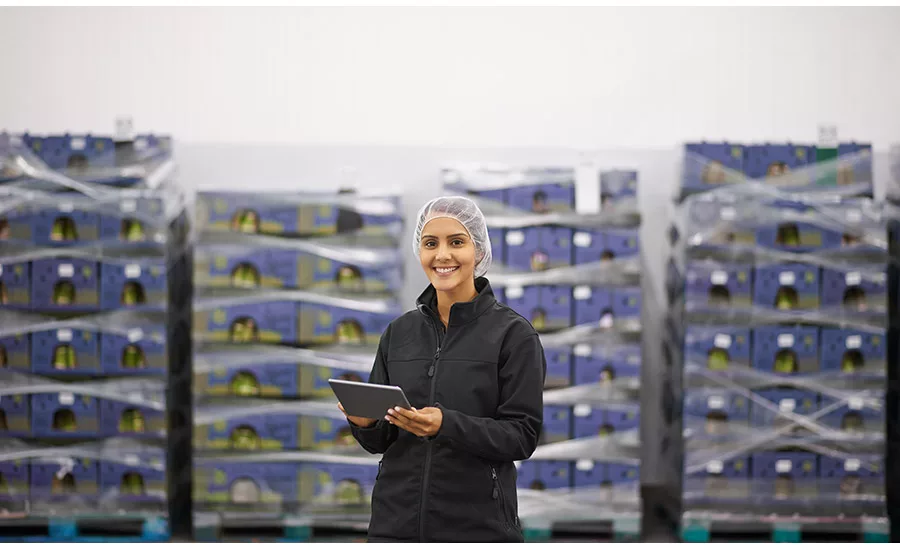
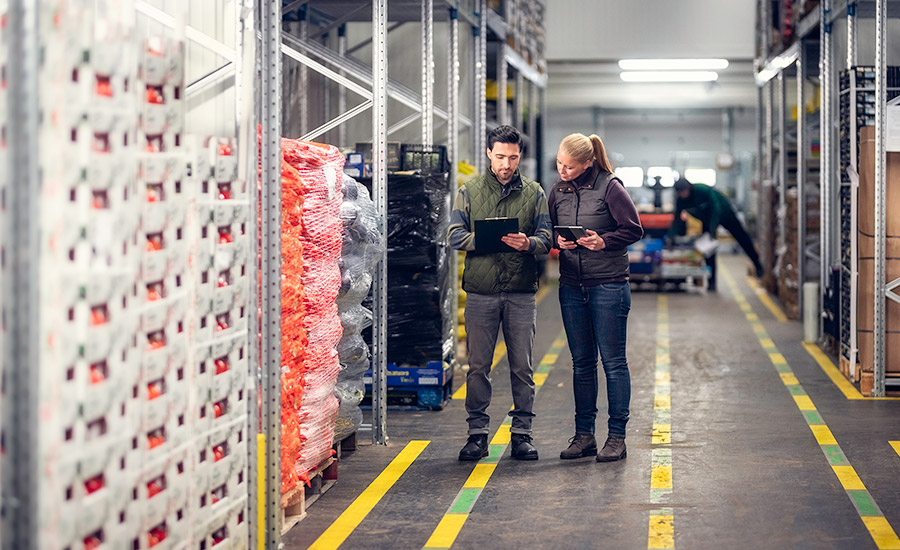
For cold food producers, implementing real-time inventory tracking can deliver critical benefits. jeffbergen / E+ / Getty Images
Cold food and beverage processors, manufacturers and distributors face challenges every day moving temperature-sensitive goods throughout the cold chain. New technologies are being deployed to improve operational efficiency, reduce costs and enhance product quality and safety.
Better communication between the C-suite and operations, and resource visibility through the use of technologies like AI and machine learning, can make the difference.
Forecasting & Inventory Management
For cold food producers, implementing real-time inventory tracking can deliver critical benefits. With the help of predictive analytics and AI, refrigerated and frozen food processors and manufacturers can more accurately forecast demand, scale production and manage ingredient inventory.
“Integrated systems enable companies to adjust production schedules or identify alternative suppliers in response to supply chain challenges,” said Danilo Potocnik, head of sales at Stoecklin Logistics. “The benefits of this ecosystem include lower fuel consumption and emissions, greater efficiency in internal warehouse transportation and enhanced supply chain visibility, which enables businesses to make proactive, data-driven decisions and improve overall resilience.
Technology, particularly automated storage and retrieval systems (AS/RS), provides scalability to meet growing demands while maintaining efficiency. AS/RS solutions are flexible, allowing warehouses to adapt to shifting needs without requiring major structural changes. Their modular design enables easy reconfiguration to accommodate varying inventory levels and fluctuating order volumes, ensuring quick adaptation to peak-season demands. By accelerating order fulfillment and reducing lead times, automation significantly enhances operational speed and responsiveness.
By automating many functions along the cold supply chain, companies can often grow inventory storage within their existing footprint by 20% to 40%, and can typically reduce new building footprint requirements by as much as 60%, said Tim Mosier, director, food & beverage sales at Swisslog Americas.
Depending on the type of automation, most solutions are designed to operate for more than 30 years.
“This allows some companies to grow on their existing properties, saving millions in real-estate and relocation. The predictability automation brings to production flow is also very important for business planning and forecasting,” Mosier said. “Like most sectors of the supply chain, cold foods processors and manufacturers are seeing demand and volumes continue to grow, while confronting the realities of an aging warehouse population. Warehouse automation technologies available today are proficient in most aspects of the warehouse, from unit picking/handling and case/pallet selection/storage, to receiving and shipping handling.”
The use of automated guided vehicles (AGVs) or robotics also accelerates processes such as picking, sorting and packing, all of which help reduce lead times and speed delivery.
“Optimized routing for AGVs within warehouses improves overall logistics efficiency. Real-time inventory tracking within a warehouse management system (WMS) helps reduce spoilage by ensuring products are shipped based on expiration dates, minimizing waste caused by expired or obsolete stock,” Potocnik said. “Additionally, it reduces retailer refusals by maintaining product freshness and proper handling, ensuring compliance with quality standards. Efficient inventory management also contributes to a lower carbon footprint by reducing waste from spoilage.
It is crucial that processors and manufacturers ensure new systems integrate seamlessly with existing infrastructure.
“Whether it’s adopting an advanced warehouse management system (WMS) or upgrading to IoT-based temperature monitoring, processors must ensure these technologies can work with their current supply chain operations to avoid costly disruptions. Additionally, any new technology must be scalable and flexible enough to accommodate future growth and potential changes in consumer demand patterns,” Mossier said.
Storage & Shipping
Lack of visibility and real-time tracking of inventory can lead to truck routing waste, increased spoilage and inefficient responses to fluctuating consumer demand.
For cold foods companies, peak seasons can present unique challenges in managing inventory turnover and maintaining product freshness. Warehouses often struggle to scale their operations during peak seasons, resulting in backorders, delayed shipments and overwhelmed staff.
Considering factors like weight distribution, humidity levels within refrigerated units, and spoilage prevention through methods like balancing travel distance and delivery windows, are all benefits associated with load optimization technology.
Maintaining a competitive edge involves analyzing shipments and configurations, using tactics like bulkhead placements and temperature zones to ensure drivers have easier access to the pallets that have to be unloaded for each stop, said DeNorris Johnson, customer solutions consultant at ORTEC Americas.
“The transportation process is evolving from traditional, linear logistics to an intelligent ecosystem characterized by interconnected systems that utilize real-time data and analytics,” Johnson said. “For distributors handling frozen and refrigerated foods, load optimization involves balancing product-specific temperature zones within the truck and stop sequences. This ensures product integrity while maximizing the payload capacity of refrigerated trucks and increasing driver productivity.”
Smarter shipping relies on WMS master data, which should detail essential metrics such as load weight and volume, product shelf life, shipping requirements and packaging specifications.
“Implementing real-time inventory tracking offers significant benefits for cold food processors and manufacturers by enhancing visibility and responsiveness throughout the supply chain. At a macro level, this technology enables decision-makers to react swiftly to market forces and demand shifts, ensuring that inventory levels align with current consumer needs,” said Dennis Lutwen, president, consumer DHL Supply Chain North America. “On a site level, increased visibility facilitates adherence to the First-In-First-Out (FIFO) method, which minimizes spoilage and waste while improving production planning. As a result, these efficiencies not only reduce waste across the supply chain but also translate into tangible cost savings reflected in the profit and loss statement.”
Many refrigerated and frozen food companies are partnering with specialized third-party logistics providers to manage their cold chain operations, reducing the need for in-house infrastructure investment.
Last month, Lineage announced an agreement with Tyson Foods to purchase four of the food giant’s cold storage facilities with plans to own and operate them with Tyson as an anchor customer. Lineage also announced plans to spend $740 million on two greenfield sites with Tyson as an anchor customer. Tyson will begin storing product at Lineage’s new fully automated cold storage warehouse in Hazelton, Pennsylvania, as part of the partnership.
As e-commerce and DTC foods continue to gain market share, JIT (just-in-time) and last-mile delivery systems are becoming more commonplace. The supply chain and logistics landscape for refrigerate and frozen foods will continue to rely on cutting-edge technology to produce, store and distribute cold foods.
Looking for a reprint of this article?
From high-res PDFs to custom plaques, order your copy today!