FARM TO FROZEN
Fast-Casual’s Woes Become Frozen Aisle’s Boom
November 21, 2025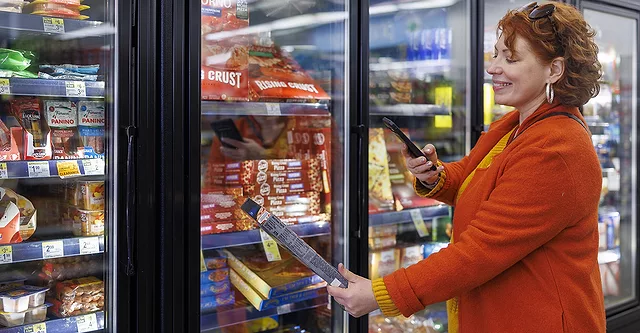
FARM TO FROZEN
Fast-Casual’s Woes Become Frozen Aisle’s Boom
November 21, 2025Cold-storage REIT giants Americold and Lineage both noted high capacity.

As chains like Chipotle and Sweetgreen cite mounting macroeconomic headwinds, a consumer shift to at-home options is fueling a powerful flywheel for major CPG players and the cold storage industry.
The narrative from the fast-casual corner was consistent this past earnings season. Executives at premium QSR and fast casual chains have pointed to a challenging economic environment, citing white-collar layoffs and inflationary pressures on their core, higher-income demographic as primary reasons behind cautious future guidance.
Blaming customer’s wallet only tells half the story, though.
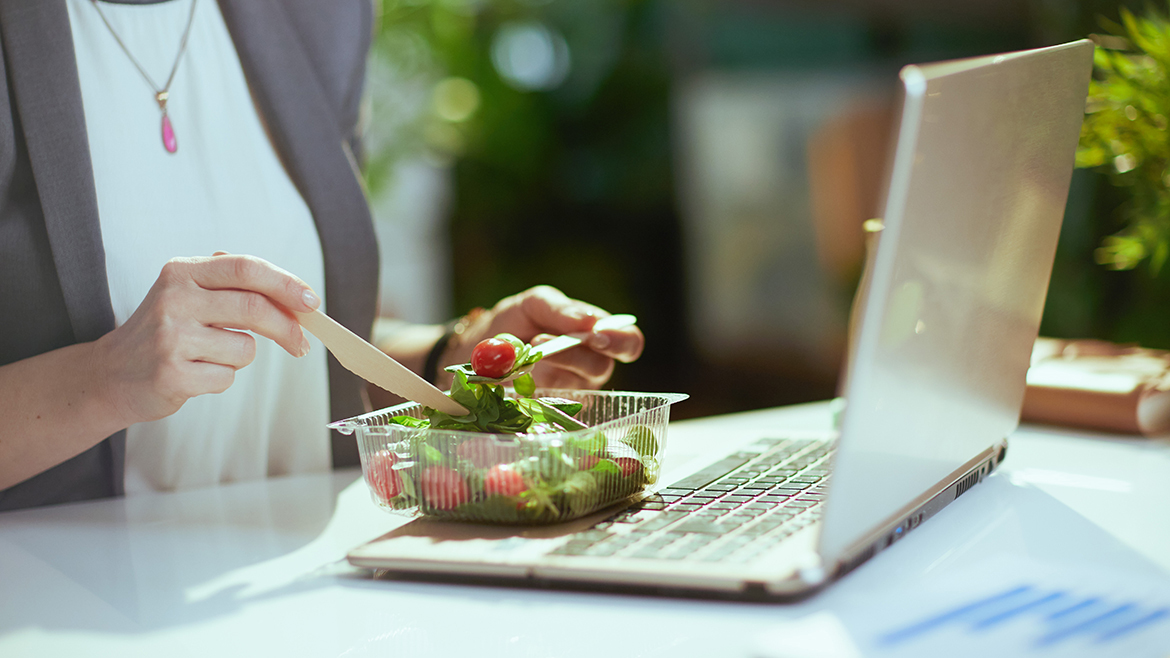
A walk through any downtown during the lunch hour reveals a quieter, more fundamental shift. Regulars at these once-dominant chains are grappling with a different set of headwinds: soaring prices for lunch bowls, "skimpflation" in portion sizes, and a perceived drop in quality that makes a $25 salad difficult to justify.
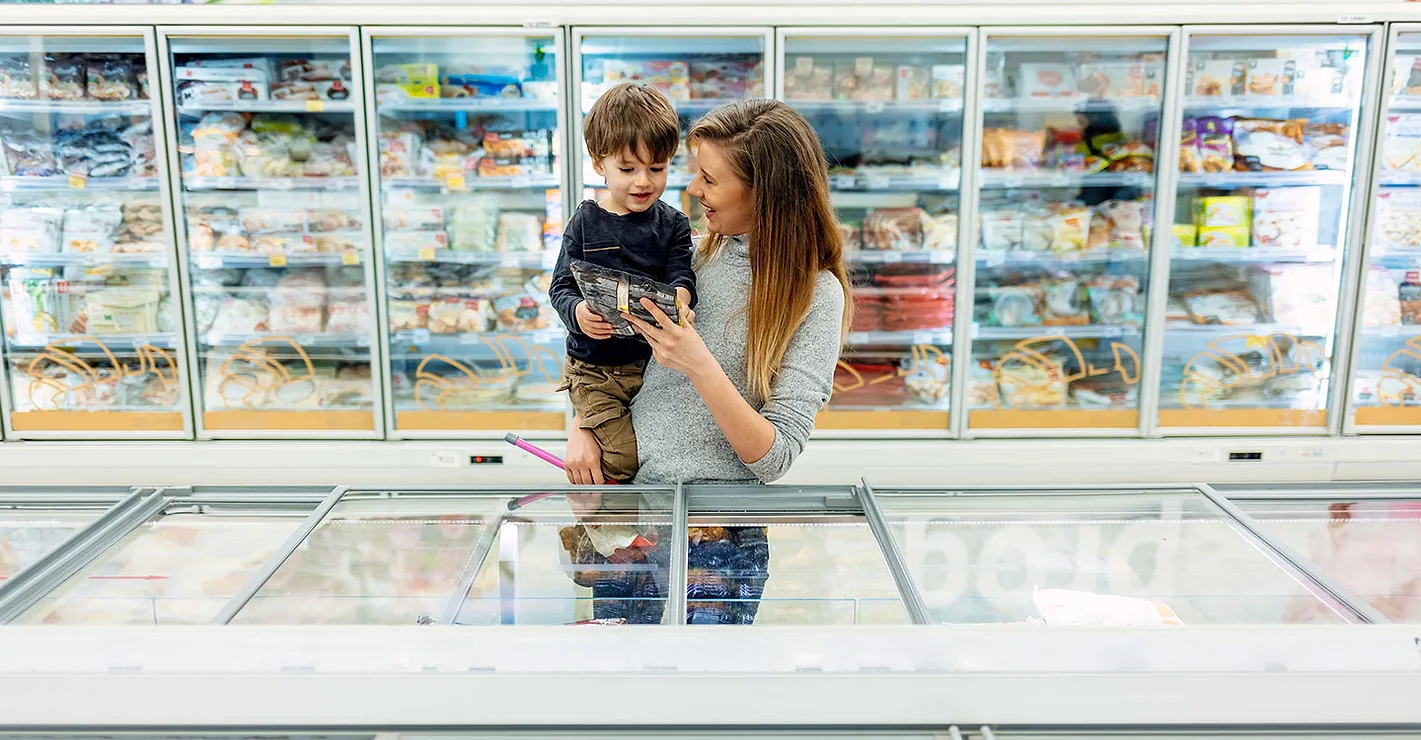
The result: professional-class consumers are actively seeking alternatives. They are not, however, flooding the drive-thru lanes of legacy fast-food chains. Instead, they are making a strategic retreat to more creative choices: meals brought from home, assembled from supermarket delis, or, increasingly, pulled from the freezer.
Refrigerated and frozen food manufacturers are the clear winners of this behavioral shift. Look no further than their recent performance. As fast-casual outlets fight for foot traffic, CPG giants are demonstrating robust health.
Conagra Brands, for example, posted strong results this October, driven explicitly by its frozen division, with brands like Birds Eye and Marie Callender's surging.
Similarly, Tyson Foods noted in its latest investor report that its "Branded Prepared Foods" segment is a key growth driver, meeting a clear consumer demand for convenience and value at home.
Looking for a reprint of this article?
From high-res PDFs to custom plaques, order your copy today!
No longer are companies selling 1980s-era TV dinners. Today’s high-protein, gourmet-style frozen options are directly competing in quality and value with a fast-casual order. In response, grocery and club warehouses are racing to accommodate demand, rapidly expanding the footprint of freezer and fresh-prepared (RTE) foods sections.
The manufacturer’s supply chains are also getting a boost. On their recent third-quarter investor calls, cold-storage REIT giants Americold and Lineage both noted high capacity.

For the manufacturers at the center of this trend, this availability of cold storage is a major advantage. It allows them to manage inventory costs effectively, protecting their margins even as they scale production.
These cost cuts, a direct result of a well-supplied cold storage backbone, allow savings gained on inventory management to be reinvested into product innovation and marketing that pulls more consumers away from high-priced, counter-service lunches.
But this growth is not without its own structural challenges. As these CPG manufacturers ramp up to meet higher demands, success will be defined by their ability to maintain efficiency. They cannot afford bottlenecks upstream.
To capture maximum profitability, their entire supply chain – food production facilities to distribution centers – must be optimized. This is where the next phase of competition will be won or lost.
Manufacturing companies will need to take a hard look at their real estate occupancies, both upstream and downstream, to identify further savings. Upon further analysis, manufacturers may discover that they need to find, develop, renovate, or modernize facilities to capitalize on consumer shifts, ensuring the flywheel keeps spinning.
As fast-casual chains struggle to justify their price points and win back their core customers, the smart money is on the infrastructure that feeds the new at-home economy.