Food Safety
AFFI Pushes Supply Chain Transparency to Tackle Frozen Berry Risk
As global sourcing and commingling complicate frozen fruit supply chains, a data-driven, lot-level system aims to shift food safety toward real-time prevention.
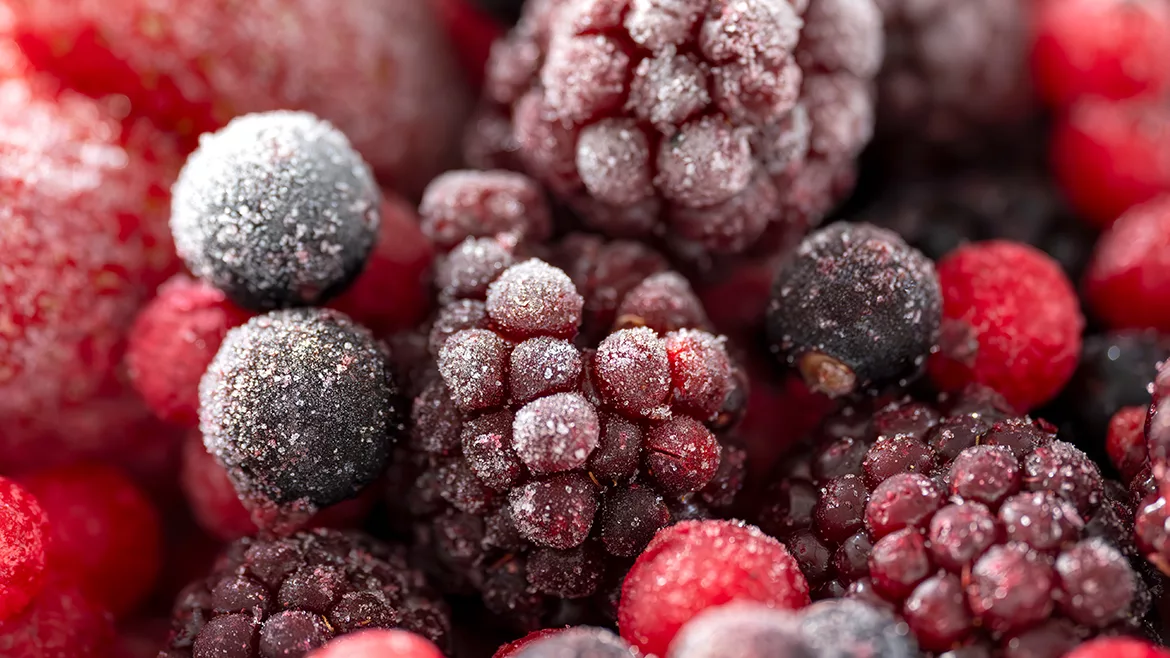
Frozen berries represent one of the most globally complex segments of the frozen category.
The American Frozen Food Institute (AFFI) is advancing a novel supply chain-integrated approach to enteric virus contamination in frozen berries, shifting the focus from finished-product testing toward real-time visibility and risk management.
A sizable portion of the U.S. frozen berry supply is imported, often from multiple regions, and moves through a fragmented chain of growers, processors, repackers and distributors before reaching consumers.
As products move downstream, lots are frequently commingled, creating both traceability challenges and opportunities for accumulated risk. Compounding the issue, many producing regions face environmental and public health conditions that increase the likelihood of contamination. Manual harvesting, water quality issues, sanitation infrastructure and weather events like flooding all can introduce risk.
And unlike some other food safety hazards, enteric viruses are difficult to detect and persist through freezing. Historically, buyers have relied heavily on finished-product testing as a risk management tool. But that approach is fundamentally limited when it comes to viruses like norovirus or Hepatitis A, the later which was blamed for a frozen strawberry recall in 2023.
EXPLORE MORE


"If berries are contaminated during harvesting or processing, guess what? Freezing is not a kill step, it’s going to persist through the product’s shelf life," said Dr. Sanjay Gummalla, AFFI’s senior vice president of food safety and scientific affairs. "These are simply inadequate tests. We are looking for a needle in a haystack, and one has to sample a significant amount of product before you can find it, and that’s not feasible."
Part of the challenge is biology. Unlike bacteria – Salmonella or al genetic material, which may or may not indicate the presence of an infectious virus.
That creates uncertainty in both directions — false negatives due to low detection probability and false positives that can trigger costly recalls without clear public health risk. At the same time, testing often occurs after significant resources have already been invested in harvesting, processing and transporting products, amplifying the financial and sustainability impact when issues are identified late.

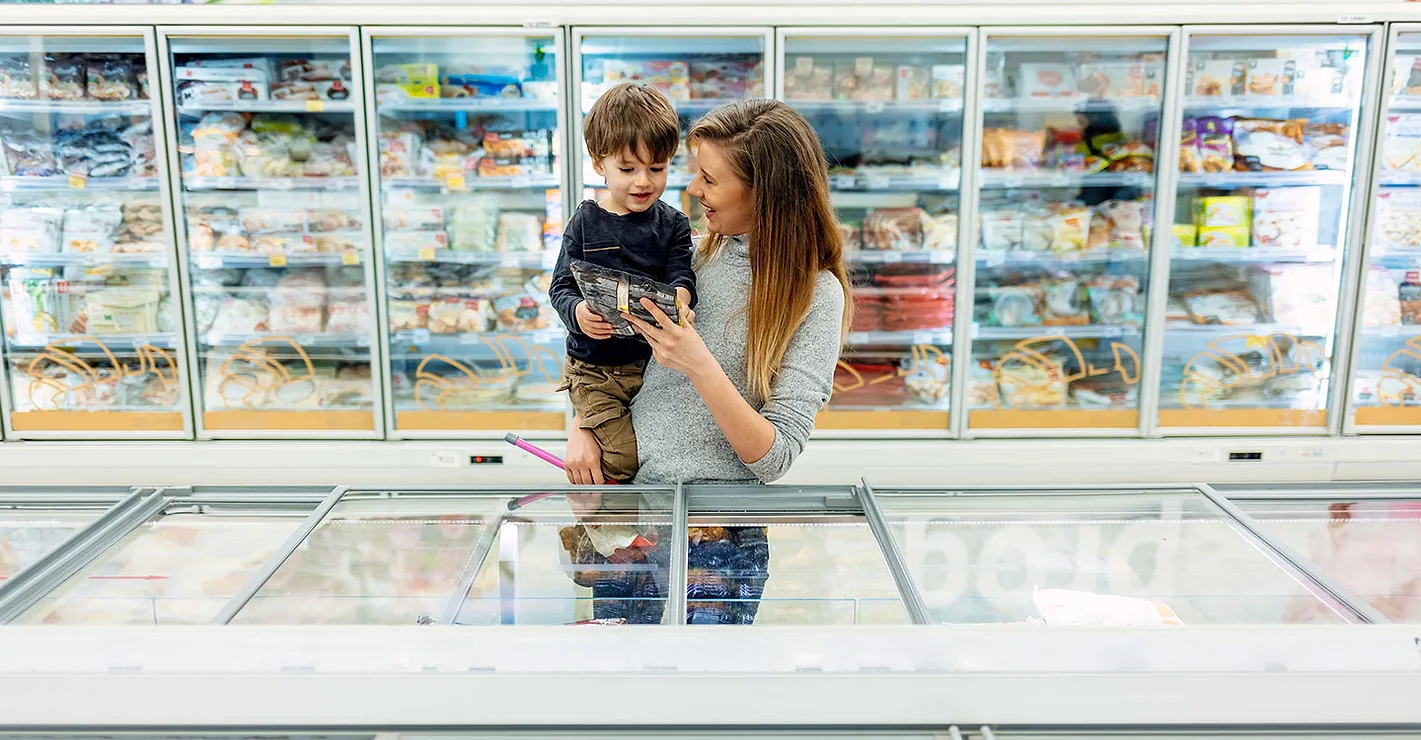
AFFI developed EViews, a data-driven platform designed to shift the industry toward prevention and predictive risk assessment. EViews aggregates data across the supply chain—from farm practices to environmental conditions—to generate a risk score for individual lots of frozen berries. Image courtesy of BrazilPhotos / iStock / Getty Images Plus
Supply Chain Wide Approach to Prevention
In response AFFI developed EViews, a data-driven platform designed to shift the industry toward prevention and predictive risk management.
"We think of it as an early warning system," Gummalla said. "This is a whole supply chain approach and need all partners from farm to buyer to be engaged."
Rather than relying on a single test result, EViews aggregates data across the supply chain—from farm practices to environmental conditions—to generate a risk score for individual lots.
Downstream buyers can then use that score to make more informed decisions. The system incorporates both self-reported data and external inputs, such as geolocation and weather patterns, to create a more comprehensive picture of risk. For example, heavy precipitation or flooding in a growing region could elevate a lot’s risk profile even if no issues are detected through testing.
The system depends on data sharing and alignment among growers, processors, importers and buyers. That includes managing complexity introduced by blending and commingling, where multiple lots are combined into a single finished product.
EViews is designed to aggregate risk scores from contributing lots into a final assessment.
"Step by step, we’re growing our EViews network throughout our frozen fruits supply chain," said Isabelle Leblond, vice president of corporate food safety, suppliers and virology at Nature’s Touch, which operates freezing and packing facilities in the U.S. and Canada. "EViews contributes to actively building a stronger proactive food safety risk approach from farm to finished goods, which goes beyond traditional finished product testing. We are proud to be part of this movement that gives our buyers confidence that food safety is verified from the field, not just at the finish line."
About 10 berry suppliers have signed up to participate in EViews, representing nearly 65% of the supply chain, AFFI says.
"EViews shifts the focus from limited, point-in-time finished product testing to a risk-based, comprehensive evaluation of preventive measures across fields, processing facilities and staff practices over time," said Christophe Canivet, director of food safety and defense atArdoVLM, a global processor and supplier of frozen fruits and vegetables. "It enables a 360-degree assessment of potential sources of enteric viruses cross-contamination before harvesting and processing, making it a robust risk management roll for the entire supply chain."
Implementation requires financial and operational investment and relies in part on self-reported data — an ongoing point of tension in food safety systems. But for AFFI, the push toward EViews reflects a broader shift in food safety—one that prioritizes visibility, data and prevention over reactive measures.
The stakes are particularly high in frozen fruit, where long shelf life and global sourcing amplify both risk and consequence. Contamination can persist in the marketplace for extended periods, with recalls having significant brand and financial impacts.
AFFI collaborated closely with the Food and Drug Administration experts on the technical elements of the tool and will continue to identify ways to share and improve learnings from the industry.
For example, they have already expanded EViews framework to include Cyclospora, another pathogen associated with fresh and frozen produce.
At the same time, the marketplace continues to grow, driven by convenience, nutrition and year-round availability. The challenge for experts, Gummalla said, is ensuring the supply chain evolves alongside that demand.
"Consumer demand for frozen berries continues to increase and we rely on the global supply chain," Gummalla said. "We have to create transparency in the supply chain. We have to collect and analyze key data … from farm to fork."
Looking for a reprint of this article?
From high-res PDFs to custom plaques, order your copy today!