Integrated Pest Management Offers a Holistic Approach to Pest Control
In January 2011, the Food Safety Modernization Act (FSMA) became the most comprehensive reform to food safety legislation in more than 70 years. The new law  emphasizes taking a proactive, preventive approach to ensure food safety in the growing, processing, storage and distribution of food products, rather than only reacting to situations that can result—or have already resulted—in product contamination. Part of the new regulations address pest control, an important and perennial issue for every sector of the industry.
A variety of EPA-approved pesticides are available for use in processing facilities, but a better, long-term solution is to prevent infestation in the first place. Having proactive plans and programs to manage the sanitation conditions in a plant and the structural conditions in and around the plant are advisable and often required by auditors and regulations. That’s why food processors, working with their own pest control staff and/or outside pest professionals, are adopting the concept of integrated pest management (IPM).
For food processors, pest control is a complex challenge. Though processors have been credited with successfully removing most agricultural pesticide residues before food products reach the marketplace, food processing itself can attract pests of all kinds. Refrigerated or frozen food processors are not exempt. Although cold temperatures kill many types of pests, some insects actually have biological defenses against the cold and may become dormant for a time, only to come to life again in a warmer environment. Additionally, food is stored or processed in some way before it’s chilled or frozen, and at that time, may be exposed to pests.
More than a better mousetrap
An IPM plan takes a holistic and comprehensive approach to pest control, including a close examination of the physical plant to get rid of the food, water and harborage that attracts pests. It also considers sealing off access points into the facility, such as cracks in the foundation or walls, venting or sewerage systems or deteriorating door sweeps.
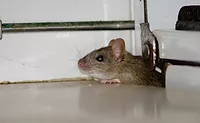
Pest control managers will first look for evidence of infestation, such as rodent droppings or actual pest sightings, especially in the most likely places—near Dumpsters, loading docks, anywhere moisture collects inside or outside the plant, around light fixtures inside and outside or wherever food or food residue can accumulate in tough-to-reach places.
Sealing the facility from pests goes a long way toward preventing infestation and can reduce the need for pesticides, but it’s not the whole solution. Where evidence of pests is found, it’s important to identify them—rodents, beetles, flies, etc.—and to determine when and how frequently you are finding those specifics pests and in which specific part of the plant in order to analyze how they might be getting in. You will also need to determine the most effective way for your facility to eliminate them, including the use of chemical pesticides, bait traps, diligent sanitation or other means.
Once an IPM plan is developed, it must be implemented on a consistent basis, and this means enlisting the support of company officers as well as production employees. The pest control manager’s task is to ensure that recommendations for repairs to the physical plant are implemented. Sanitation staff must be trained to thoroughly and regularly clean areas vulnerable to infestation by pests with the appropriate tools and diligence.
Finally, the effects of the IPM plan should be monitored, reported and recorded. It’s important to remember that even if one problem area is cleared of pests, infestation may recur—or evidence of pests may be found elsewhere in the facility. Although much can be done to eliminate pests, prevention is a better long-term solution and requires continuous effort.
The four steps of effective pest control—and prevention
Every food processing facility has its own unique environment. For that reason, there is no “one-size-fits-all” recipe for successful pest control. But, every program should be tailored to your specific requirements and those of your auditors. In general terms, an effective IPM plan includes four steps:
1. Inspect. Inspect the physical plant both inside and out for ways in which pests might enter the building, as well as for the food, water and harborage that may attract pests and allow them access into the facility. While corners are often neglected when cleaning, they are a common entry point for pests for just that reason.
2. Identify and develop plan to eliminate. Identify any pests that exist and develop a specific plan to eliminate them using mechanical or bait traps, pesticides or other appropriate means. Develop a system for tracking type, frequency and number of pests caught in each identified area of the facility. Develop a method for comparing those numbers over time to identify increases in pest activity and to help discover reasons for an increase.
3. Enlist support. Enlist the support of company management as well as production workers to implement the program. Train your sanitation staff to thoroughly clean problem areas according to a specific sanitation schedule.
4. Monitor and record results. Continuously monitor the program and record results. This way, you can prove success and/or adjust the program if, when and where necessary.
Pest control is forever a concern in the refrigerated and frozen food segment—and for food producers at large. It’s a task that requires knowledge and expertise to comply with national and local regulations and the requirements of third-party auditors. Additionally, the cleanliness and safety of your food products are equated with your brand’s reputation, which makes paying attention to a meticulously-kept facility of critical importance.
Many larger refrigerated and frozen foods organizations have full-time pest control staff, while smaller organizations may appoint a company officer or employee to manage the operation. In either case, independent pest control companies also can help set up and monitor an IPM program. Regardless, an investment in an effective IPM plan helps ensure the safety and quality of your products.
Timothy Larson is quality assurance manager for Rentokil, a Reading, Pa.-based commercial pest control company.
Looking for a reprint of this article?
From high-res PDFs to custom plaques, order your copy today!