 RSS
RSS

Supply Chain Logistics for Refrigerated & Frozen Food
Study: Global prime logistics rents climb higher amid e-commerce expansion
In the United States, prime rents have been driven by both strong demand for facilities, and in some markets, limited new supply.
Read More
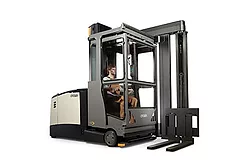
How forklifts & batteries keep the industry moving forward
The impact of e-commerce, increased SKUs and just-in-time demands place an extra complexity to how manufacturing facilities and distribution centers operate.
Read More


3PL study outlines need for innovation…now
Supply chain leaders are currently taking a more measured approach in adopting new solutions for their supply chain.
Read More
Survey: E-commerce’s ‘last mile’ is really 6-9 miles
CBRE analyzed the location of last-mile distribution facilities opened within just the past two years in the 15 largest U.S. population centers.
Read More

Study: Forklift manufacturers, dealers, distributors drive billions of dollars, thousands of jobs in U.S.
The report quantifies this manufacturing sector’s strong economic impact and employment rates and offers detailed data at national and state levels.
Read More
International Association of Ports and Harbors expands world climate initiatives
These logistics chains should eventually contribute to a sustainable growth based on 3 pillars—social, environmental and economic pillars.
Read More
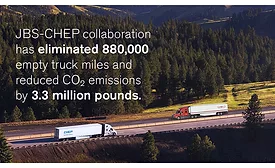
JBS, CHEP collaborate for increased efficiency, sustainability
The CHEP and JBS logistics teams worked for 12 months to evaluate the company’s transportation operation and develop and implement innovative solutions to make the network more efficient by reducing empty truck miles.
Read More
Port of Charleston welcomes new on-terminal reefer service area
The port also boasts four new 5-story refrigerated container racks that provide 120 more reefer slots on terminal.
Read More
Survey: Secondary logistics markets poised for growth
Secondary industrial markets in the United States now are in better position than primary markets to absorb growth.
Read More