Before You Build: Selecting the Right Property for Your Food Facility

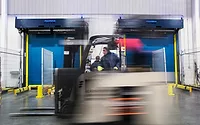
Image courtesy of stevecoleimages | E+ | Getty Images
Having been involved in the design and construction of food facilities for three decades, I have found there is one constant in the food industry: Successful food companies continually expand and grow their businesses. As a result, they also expand their facility footprints.
As food facility owners grow their operations, they are faced with the need to identify and purchase real estate. Whether a food facility operator is searching for a greenfield site or an existing building, the process for identifying, analyzing and ultimately selecting property is complex, and if not conducted correctly, comes with a high possibility of negative long-term impacts.
I am often asked what the right strategy is for identifying, analyzing, and selecting the right real estate for a future food facility. While there are several methods to identify, analyze and select the right real estate, here are four of the key strategies necessary to effectively manage this difficult process.
Strategy 1: Determine the Desired Outcome
Before any company begins the property selection process, they must develop a basic understanding of needs and expectations for a new facility. Occasionally, firms will ask to begin the process with only limited information or suggesting a broad range of options, such as: “We want to be on the East Coast,” or “We need somewhere between 200,000 and 800,000 square feet.” While these are well-intentioned statements that indicate a readiness to begin, they lack the necessary focus.
This first step is to outline goals, intentions and desired outcomes for the future facility and property. Created with full participation from a company’s in-house management and operational teams, a descriptive outline will determine what solutions a new facility will offer, what problems it hopes to solve and potential impact on customers, suppliers, logistics and future growth opportunities. The outline should further consider geographic needs, general building size and specific infrastructure requirements, and other overriding needs from a facility perspective. Only after this information is determined should an owner assemble a team to move forward with developing specific plans and facility scopes necessary to identify and select a property.
Strategy 2: Assemble a Qualified Team
A holistic approach is best for selecting a team of individuals who can offer excellent guidance in their field of expertise and who will work together for the benefit of the owner. While companies and individuals may profess to have an overall level of expertise in this field, experience has shown that most individuals have expertise in specific aspects of the process. There are generally four areas of expertise necessary to successfully conduct property identification and selection, each offering a specific and limited skill set.
Real estate brokers will have expertise in identifying properties, confirming property values and an understanding of local market conditions. Real estate brokers are typically not adept in the complexities of determining if a parcel of land or an existing building is best suited for an owner’s unique development and operational needs, or in identifying potential hazards and future cost implications related to property.
Economic development organizations, usually staffed on either a municipal or state level, are a valuable resource in site identification, workforce data, surrounding populations, training opportunities and information related to roadways or utilities. These groups can also be helpful in identifying valuable economic incentives. However, their focus is limited to development of new business within specific borders, while openly competing with neighboring states or communities.
Engineering and construction firms can determine utility and infrastructure requirements, develop site and building layouts and prepare development cost budgets. They also provide due diligence and evaluation of environmental or soil concerns. These firms usually have limited knowledge in real estate, property values, or availability of incentives.
Legal Firms are necessary for providing guidance on zoning ordinances, municipal regulations, contractual negotiations, closings and developing legal documents related to economic incentives.
Management of this team is necessary and should be led by an individual or team with a history of property identification and selection. This can be a difficult position to fill, leading many owners to utilize a third-party firm. In this situation, it is necessary to conduct a thorough review of that firm’s qualifications by understanding property services they have performed in the past, requesting detailed examples of their process and gaining references from past clients. It is also imperative to clearly understand the fee structure these firms charge for their services. A fee structure based upon a percentage of a property’s purchase price, or upon the amount of economic incentives procured should never be used; instead, owners should opt for a previously agreed upon lump-sum amount or hourly rate structure.
Strategy 3: Ask the Right Questions
Once a team has been assembled and an outline of desired outcomes has been developed, it is necessary to begin the process of further defining the scope of the project as it relates to a desired property. During the property selection and analysis process, there are three categories of questions to be asked about every property being evaluated.
Geographic: Is the property located within a city or county, and what are the related municipal requirements? Is the site in a business park with restrictive covenants? Are there building restrictions, limitations, or architectural requirements to be imposed? Are there hazardous or environmental concerns? What is the availability of transportation and logistics services? Will this location adequately serve both the customer and supplier base? What is workforce availability?
Facility: What is the intended size of the facility, floorplan, and site footprint? What amount of area is required for future expansion? How much truck or car parking is required? Will there be multiple out-buildings? What are the utility and infrastructure requirements? Will the proposed facility design function within the property boundaries?
Costs: What is the sale price and is it comparable to other properties? What economic incentives are available? What are the initial site development costs? Are there additional costs associated with offsite utility and infrastructure development? Are there significant municipal costs including impact, permitting, usage and connection fees? Will long-term transportation costs increase over present costs? Are municipal roadway changes required? What tax assessments will be imposed in future years? Can future expansions be accommodated at a reasonable cost?
Strategy 4: Do the Legwork
An oft-repeated adage says, “You can’t learn to ride a bicycle by reading a book.” This same concept applies to the property selection process. While Google maps, aerial photos, surveys, web searches and other sources of data are valuable, there is no substitute for visiting sites and meeting with local individuals. Once my team and I develop a shortlist of property options, I ask owners to join us for a road trip to see the properties and surrounding areas and meet with specific individuals. If owners are unable to attend these visits, my team and I will do so on their behalf and provide detailed reports. It is this legwork that ultimately allows us to make the best property recommendation to an owner.
The property selection and evaluation process can be daunting. If not properly conducted, owners may experience unanticipated and significant costs in the development of a facility as well as continuing operational impacts. By taking a strategic approach to the process, asking the right questions, developing a focused scope, and engaging a qualified and knowledgeable team of experts, food facility owners will be able to select the best and most appropriate properties necessary to successfully grow their business.
Looking for a reprint of this article?
From high-res PDFs to custom plaques, order your copy today!