Cold Chain Operations
Cost of Ownership: How Refrigeration Upgrades Impact Energy Efficiency
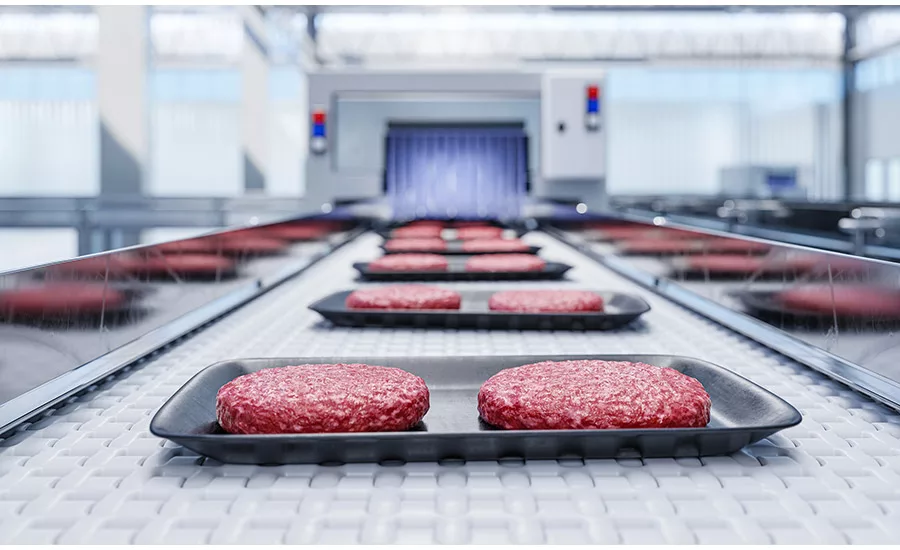
When considering a system upgrade, several factors – such as the current condition of equipment, maintenance costs, energy efficiency and refrigerant type – must be evaluated. Each of these elements play a role in determining the cost-effectiveness and overall success of the upgrade. Courtesy Getty Images
Refrigeration systems are among the most energy-intensive systems in operation. As these systems age, inefficiencies in performance can increase energy consumption and maintenance costs. Upgrading an outdated refrigeration system is an investment that will have a direct impact on energy efficiency, operational reliability, sustainability and compliance with evolving regulations. This article explores benchmarks and key factors to help guide your choices before upgrading your refrigeration system to adopt future-proof refrigerants and optimize system performance for long-term savings.
Evaluating Your Current System
When considering a system upgrade, several factors – such as the current condition of equipment, maintenance costs, energy efficiency and refrigerant type – must be evaluated. Each of these elements play a role in determining the cost-effectiveness and overall success of the upgrade.
The age of a refrigeration system is often the deciding factor between opting for a partial retrofit or a complete system overhaul. Older components, typically installed decades ago, are significantly less energy-efficient than modern alternatives. They are also more prone to leaks and mechanical failures, requiring frequent maintenance. By targeting these inefficiencies, strategic upgrades can be implemented, yielding a rapid return on investment through improved reliability and lower operating costs.
Modern Energy-Saving Solutions
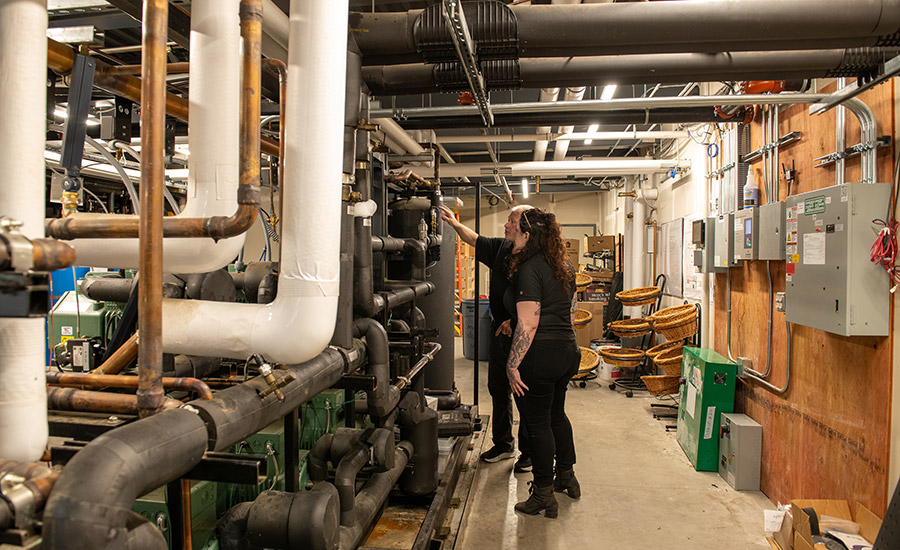
Advancements in refrigeration technology continually enhance system efficiency and reliability. Several energy-saving solutions are now available, such as advanced control systems that provide real-time monitoring and optimization, leak detection systems that deliver immediate alerts, heat recovery systems that repurpose waste heat, and variable speed compressors that adjust based on demand. This technology not only improves operational performance but significantly reduces energy consumption.
Advanced controls: Traditional refrigeration systems have limited capabilities to modulate compressor and other component operation in response to changing demand and ambient conditions. This can lead to inefficiencies, especially during cooler months. Advanced control systems solve this issue by continuously monitoring and adjusting the system’s response to real-time variations in temperature, pressure and defrost cycles. Advanced control systems dynamically modulate compressor, fan, pump operation and related controls, ensuring energy-efficient performance throughout the year.
Leak detectors: Leak detection systems with real-time alerts minimize the impact of refrigerant loss. When a system experiences refrigerant leaks, it must work harder to maintain necessary pressures, increasing energy consumption and the risk of system failure. Significant refrigerant loss can lead to total system shutdown, compromising cooling performance and potentially resulting in product spoilage. Immediate responses to leaks not only save refrigerant replacement costs and system performance but also protect the environment and reduce safety risks.
Heat recovery systems: Refrigeration systems operate by extracting heat from a cooled space. This excess heat is released into the atmosphere. Heat recovery technology captures this expelled heat and repurposes it for useful applications, such as heating building spaces or water. By utilizing the byproduct heat of refrigeration systems, facilities can reduce overall utility costs and increase energy efficiency.
Variable speed drives: Traditional refrigeration systems operate by simple staging on/off of components in response to changing cooling demand. This results in fluctuations in the refrigerated space conditions and wasted energy, particularly during periods of reduced cooling needs. Variable speed drives (VSDs) address this inefficiency by adjusting the speed of compressors, fans and pumps to match real-time system requirements. By continuously modulating component operating speed in line with cooling demands, VSDs significantly reduce annual power consumption and enhance the overall efficiency of the system.
Refrigerant Considerations
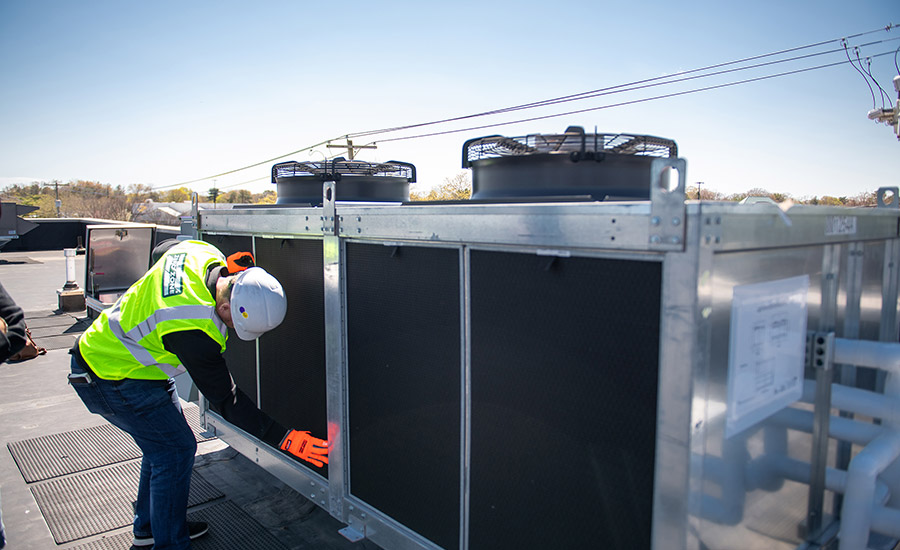
Natural refrigerants, such as ammonia (R-717) and CO2 (R-744), can often outperform hydrofluorocarbons (HFC) refrigerants depending on the system’s design and local climate conditions. These refrigerants comply with regulations aimed at phasing out refrigerants with high global warming potential chemicals and offer greater price stability. However, transitioning to natural refrigerants can require specialized equipment, additional safety measures, and technician training due to their unique properties and operational requirements.
Ammonia has been a common refrigerant selection for industrial applications since the earliest days of mechanical refrigeration. Ammonia’s thermodynamic properties produce highly efficient systems, but safety concerns have put increasing demands on the design of facilities and made installation costs higher. Regulatory compliance programs can add to operational costs. Ammonia is corrosive to certain metals, such as copper, necessitating the use of welded steel piping and other compatible metals for system components.
Despite these challenges, ammonia is an attractive refrigerant due to its high availability. With zero ozone depletion potential and a zero global warming potential, ammonia is a sustainable option that has been proven over 150 years, ensuring long-term reliability and performance.
CO2 (R-744) refrigeration systems are gaining traction as a sustainable alternative to traditional HFC systems due to their numerous environmental and operational benefits. With advancements in system design, the increasing availability of high-pressure components, the cost of refrigerant, and growing training programs, CO2 systems are increasingly recognized as an attractive option for businesses seeking sustainable, reliable and cost-effective refrigeration solutions.
One major challenge to CO2 compared to other refrigerants is its high operating pressure. Special components and piping are necessary to handle these high pressures, increasing installation costs. The high pressures also necessitate trained technicians to perform maintenance on CO2, increasing the costs associated with maintenance. Additionally, CO2 systems may experience a decrease in energy efficiency when operating in transcritical mode. Transcritical mode is triggered by ambient temperatures exceeding 87.8 degrees Fahrenheit. However, innovations like parallel compression, adiabatic gas coolers and ejectors enable CO2 to maintain effective performance with good efficiency across a broad range of climate conditions and geographic locations.
CO2 is a non-toxic and non-flammable refrigerant with exceptional energy efficiency. While some CO2 systems require a higher initial investment, the long-term savings can offset the upfront costs. CO2 refrigerant has a high volumetric capacity, which results in smaller pipe and compressor sizes compared to most other refrigerants. In cooler climates, CO2 delivers exceptional cooling capacity with high efficiency. The ability for CO2 systems to operate in a wide range of conditions provides flexibility and reliability.
The CO2 systems installed today are proven technology with steadily improving performance and ease of implementation with companies offering specific CO2 training to engineers, technicians and operators. As knowledge and expertise in CO2 systems grows, the refrigeration industry is experiencing a rapid increase in their use. Tens of thousands of CO2 systems have been installed globally over the last 20 years. The trend is accelerating, and with the increasing number of CO2 system installations, the relative costs of installation and ownership are decreasing in comparison to other refrigerant alternatives.
Conclusion
Upgrading an aging refrigeration system is an investment that can deliver substantial long-term benefits, including energy efficiency and reduced operational costs. Modern technologies, such as advanced controls, variable speed drives and heat recovery systems, offer significant energy savings and increase the overall performance of refrigeration systems. When choosing a refrigerant, future-proof options like ammonia and CO2 provide the advantages of regulatory stability and exceptional performance.
Though transitioning to natural refrigerants may involve initial complexities and costs, the long-term rewards in energy savings, reduced emissions, and effective performance make it attractive to businesses committed to sustainability.
Investing in a modern, efficient refrigeration system is not only about reducing costs; it is also about protecting your business against evolving demands and environmental regulations. With the right technologies, you can achieve reliable, sustainable, and cost-effective refrigeration for years to come.
Looking for a reprint of this article?
From high-res PDFs to custom plaques, order your copy today!