Cold Chain Perspectives
Advanced Coating Strategies for Cold Food Facilities
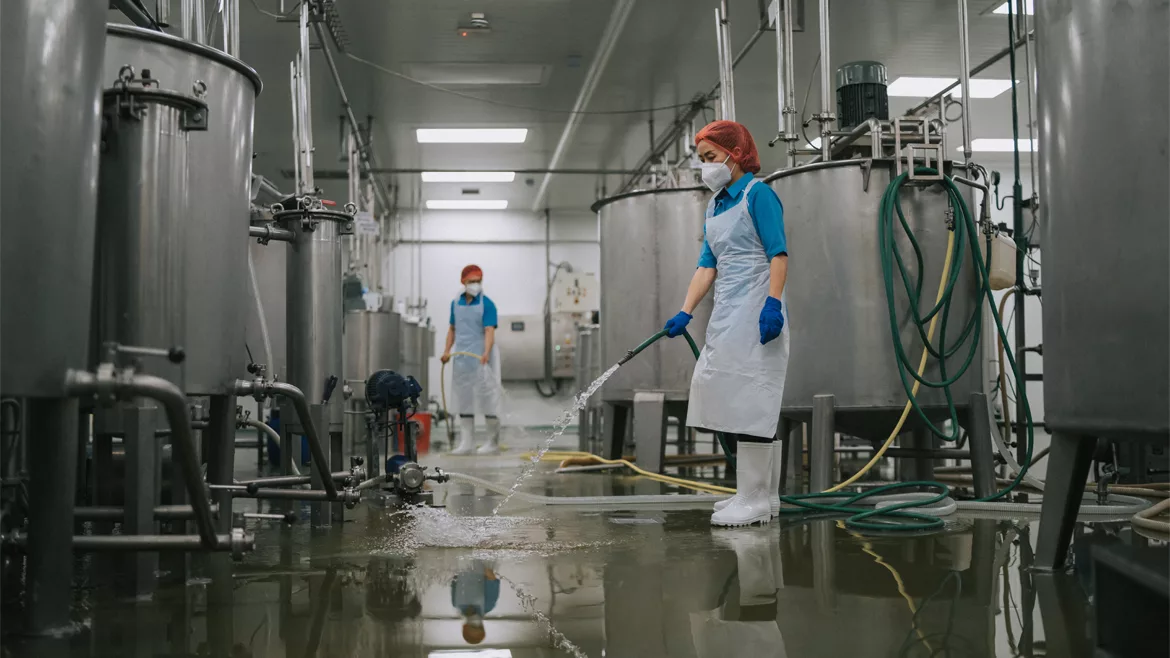
Floors in cold food facilities must be built to withstand the rigors of cold storage, frequent washdowns, and heavy equipment traffic.
The global frozen food market is on a trajectory to exceed $400 billion by 2030, reflecting a surge in consumer demand for convenience and year-round access to perishable products. At the heart of this growth are cold chain operations, especially frozen food processing and storage facilities, which face a unique set of challenges.
These environments are defined by extreme cold, frequent sanitation, strict regulatory oversight and the ever-present risk of contamination. The right coating strategies are essential to food safety, operational efficiency and facility resilience.
Chilled and frozen food facilities operate in a world shaped by subzero temperatures, condensation and relentless freeze–thaw cycles. Cold food plants must contend with:
- Constant freezing temperatures: These can degrade traditional building materials, causing cracking, corrosion and loss of surface integrity. The cold can also make surfaces brittle, increasing the risk of damage from impacts or heavy equipment.
- Condensation and moisture: Water vapor from refrigeration and washdowns can penetrate surfaces, leading to microbial growth and structural damage. Persistent moisture is a breeding ground for mold and bacteria, which can compromise food safety and facility compliance.
- Thermal cycling: Repeated exposure to temperature fluctuations can cause coatings to delaminate, especially if they lack proven thermal shock resistance. This is particularly problematic in areas where doors are frequently opened, or where cleaning involves hot water in cold rooms.
Selecting coating systems engineered for these stressors is critical. Seamless, nonporous surfaces that remain durable through freeze–thaw cycles are a must. Coatings with high thermal shock resistance help preserve surface integrity, preventing costly repairs and downtime.
Food Safety Starts at the Surface
In refrigerated and frozen food environments, every surface is a potential opportunity for contamination. Walls, ceilings, floors and even storage vessels must be protected by coatings that support sanitation and compliance.
Seamless coating systems eliminate crevices where bacteria can hide, making it easier to maintain hygienic conditions during aggressive washdowns with hot water and chemical disinfectants. Seamless surfaces also simplify cleaning protocols, reducing labor costs and downtime.
Chemical durability: coatings must withstand repeated exposure to sanitizers and disinfectants without degrading or leaching harmful substances. This is especially important in facilities that use strong oxidizing agents or acids for cleaning.
Surfaces often experience rapid temperature changes during cleaning, so coatings must be resistant to thermal shock, remaining intact and nonporous.
Beyond structural surfaces, food-grade coatings for storage vessels and ingredient bins serve as a critical layer of defense – not just for safety, but for brand integrity. These coatings must comply with FDA guidelines for direct food contact, resist microbial growth and withstand abrasion and chemical attack.
In frozen food operations, durability against cleaning chemicals and thermal stress is essential to maintaining compliance. Failure in these areas can lead to contamination risks, recalls and negative publicity, so robust coatings play a direct role in protecting both product quality and brand reputation.
Frozen food facilities often manage a wide range of products, some of which contain common allergens like nuts, dairy or soy. Even trace amounts of these allergens can trigger severe reactions in sensitive consumers, making cross-contamination a major food safety and liability risk.
Coatings that support allergen control, by enabling thorough cleaning and preventing residue buildup, are essential for protecting both consumers and brand trust. Additionally, antimicrobial coatings can actively inhibit the growth of bacteria and mold, providing an extra layer of protection in high-risk zones.
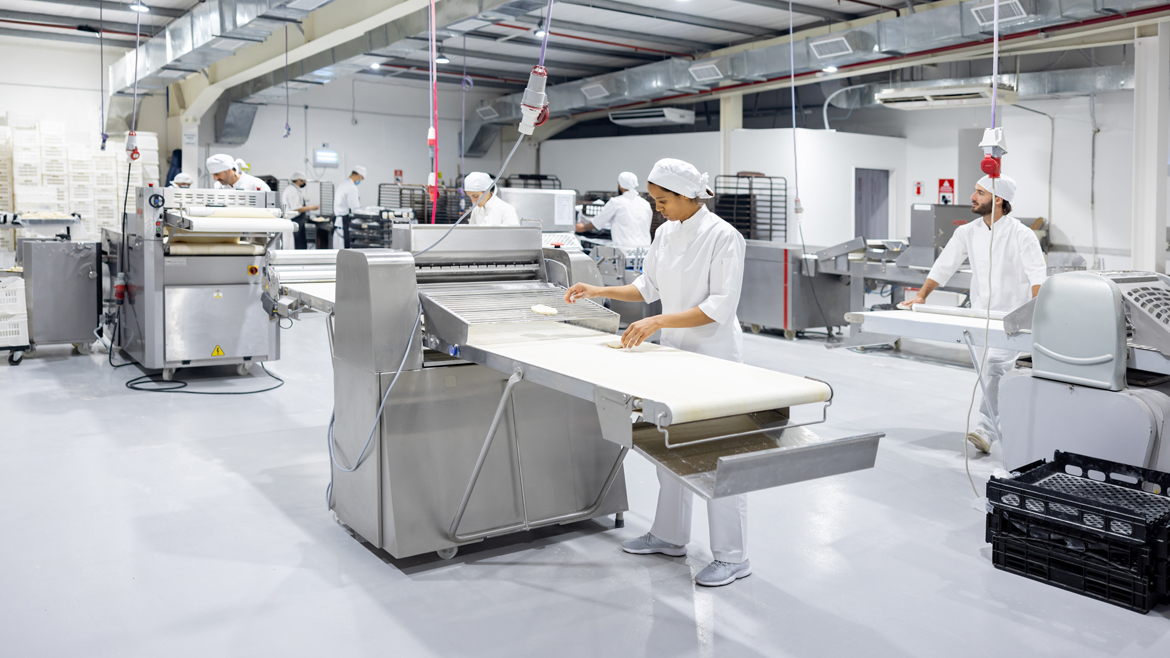
Seamless coating systems eliminate crevices where bacteria can hide, making it easier to maintain hygienic conditions during aggressive washdowns with hot water and chemical disinfectants. Seamless surfaces also simplify cleaning protocols, reducing labor costs and downtime. Image source: Hispanolistic / E+ / GettyImages
Enhancing Efficiency & Sustainability
Thermal insulative coatings (TICs) offer a powerful solution for the energy-intensive demands of refrigerated and frozen food processing and manufacturing. By reducing energy consumption, TICs support broader sustainability goals and help facilities meet regulatory requirements for carbon emissions.
TICs help lower HVAC loads and minimize thermal leaks, reducing one of the biggest cost drivers in chilled and frozen food operations. By improving the insulation of pipes, these coatings can significantly reduce energy consumption.
Traditional insulation can trap moisture, leading to corrosion under insulation (CUI), a hidden problem that results in costly pipe repairs and downtime. TICs eliminate this risk by providing a seamless, moisture-resistant barrier, extending asset life and reducing maintenance costs.
These coatings reduce exposure to cold or hot surfaces, improving safety in areas where temperature extremes are common. Additionally, these coatings reduce condensation buildup, which in turn lowers the risk of slips and falls on slick floors.
Other performance-enhancing coatings, like those that improve light reflectivity or provide anti-static properties, can boost visibility, reduce hazards and streamline day-to-day operations. In high-traffic areas, coatings that resist abrasion and impact can extend the life of floors and walls, reducing the need for frequent repairs.
As sustainability remains a top priority for food manufacturers, solutions that reduce energy consumption and environmental footprint are increasingly important. TICs stand out as a sustainable cost-reduction solution, delivering measurable savings on heating and cooling costs while improving overall energy efficiency.
By minimizing thermal transfer, TICs help maintain optimal temperatures in cold chain environments, reducing the load on refrigeration systems and lowering operational expenses. This not only supports cost control but also aligns with corporate sustainability goals.
In addition, low-VOC coatings made from renewable materials are increasingly available, enabling facilities to meet stringent regulatory requirements and advance green initiatives. Together, these innovations help manufacturers achieve both energy savings and environmental responsibility.
Floors in frozen food facilities endure some of the harshest conditions in the industry. Moisture, ice and rapid temperature shifts can cause cracking, delamination and surface degradation. Water infiltration can also lead to slippery surfaces, increasing the risk of worker injuries.
Resinous systems – either epoxy or urethane concrete floors – are preferred for their resistance to thermal shock, moisture and heavy loads. These systems can be customized with slip-resistant textures and antimicrobial additives.
Regular inspection and maintenance of flooring systems are essential to prevent small issues from becoming major problems. Facilities should establish a proactive maintenance schedule, including prompt repair of any coating damage. Investing in high-quality flooring systems can pay dividends in reduced downtime and lower long-term costs.
Strategies for Long-Term Success
A proactive coating strategy begins with a thorough facility assessment. In refrigerated and frozen food facilities, high-risk areas include:
- Cold rooms and washdown zones: These are subjected to daily stress from ice, moisture and sanitizers. Regular monitoring for signs of wear, such as cracking or discoloration, can help prevent contamination and costly repairs.
- Loading docks and transition areas: Where temperature fluctuations and heavy traffic can accelerate wear and tear. Coatings in these areas should be selected for both durability and ease of cleaning.
- Roof coatings: Often overlooked, roof coatings play a critical role in preventing leaks and moisture intrusion that can lead to downtime and structural damage. Incorporating roof coatings into your maintenance plan helps protect the building envelope, reduce energy loss and extend facility life.
Expert consultation during planning and installation ensures that selected coatings match the facility’s specific operating conditions. By integrating systems that address both immediate environmental challenges and long-term performance, frozen food plants can enhance safety, reduce downtime and support sustainable operations.
Proper training for maintenance staff is essential to ensure that coatings are maintained correctly. Facilities should work with coating manufacturers to develop training programs and maintenance protocols that align with industry best practices and regulatory requirements.
As the food and beverage manufacturing sector evolves, so do the technologies and strategies for facility coatings. Key trends include:
- Antimicrobial coatings: These actively inhibit the growth of bacteria and mold, providing an extra layer of protection in high-risk zones. Some formulations can even neutralize pathogens on contact, reducing the risk of contamination between cleaning cycles.
- Smart coatings: Emerging solutions can monitor surface conditions, detect breaches and signal when maintenance is needed. These coatings use embedded sensors to track temperature, humidity and wear, enabling predictive maintenance and reducing the risk of unexpected failures.
- Sustainable materials: The industry is moving toward coatings with lower VOCs and improved environmental profiles, aligning with broader sustainability goals. Manufacturers are also exploring bio-based coatings made from renewable resources.
Advanced coating strategies, tailored to the unique challenges of cold environments, are essential for food safety, operational efficiency and long-term resilience. By investing in the right coatings, facility managers can protect their assets, inspire consumer trust and position their operations for growth in a rapidly evolving market.
Looking for a reprint of this article?
From high-res PDFs to custom plaques, order your copy today!