Cold Chain Perspectives
Considerations for Optimizing Cold Storage Video Monitoring Systems
From camera selection to system design, understanding demands of refrigerated environments is critical for maintaining security, safety and operational visibility.
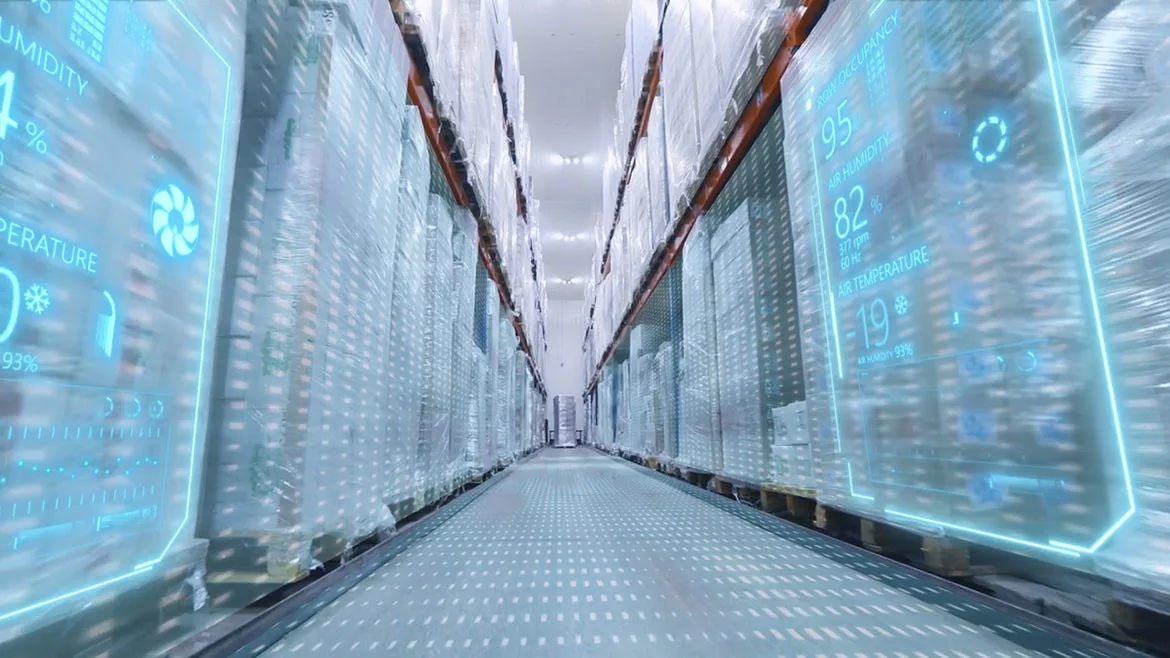
Walk into a cold storage facility and you’ll quickly understand why technology decisions in these environments require different considerations than a typical warehouse.
Visibility via video monitoring matters: security, safety, quality and operational continuity are all impacted. Buying cameras is one thing, keeping them running reliably, integrating them into workflows and extracting useful information from them is quite another.

Heidi Schmidt, Global Sales Manager, Opticom Tech. Image courtesy of Heidi Schmidt
The difference between an industrial video system that delivers value and one that becomes a maintenance burden often comes down to the questions asked before installation. That principle applies even more so in cold storage, where operational expectations shape long-term system performance.
1. What Are Your Video Monitoring Goals?
It sounds obvious, but many facilities lose track of this basic but important focus.
Cameras are often installed because “we need better visibility” or “we need video for compliance." Those are reasonable starting points, but visibility can do more.
In cold storage facilities, video monitoring can be used to:
- Improve safety in areas with low visibility from fog or other factors
- Investigate product quality or damage incidents
- Document compliance with food safety procedures
- Support incident review or insurance claims
- Ensure safety protocols are being followed
- Train workers with real facility footage
Each of these use cases requires different camera considerations as well as video storage and retention policies. A system designed to monitor employee safety in freezer aisles will look very different from one tasked with watching production for quality defects.
2. Can the Equipment Handle Cold Storage Conditions?
Cold storage environments present unique challenges that are easy to underestimate. Refrigerated and frozen facilities expose cameras to conditions that push standard hardware beyond its design limits. Common stressors include sustained below-freezing temperatures as well as condensation, fog and ice formation.
These stressors are hard on batteries, electrical components, and other parts not designed for cold conditions. Fogged lenses, brittle cabling, cracked housings and premature component failure are common. Environmental compatibility should be evaluated early, not after failures begin.
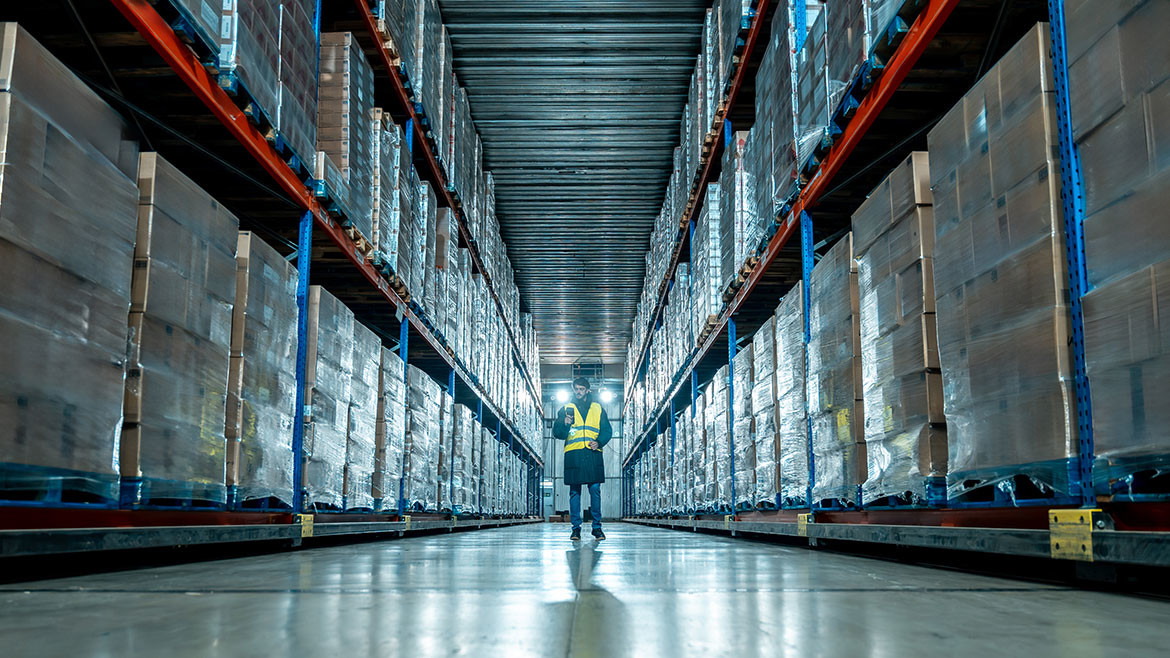
Without clear objectives, facilities can end up with video monitoring systems that generate large volumes of video but little actionable insight. In these scenarios, a video system feels like an expensive box to check rather than an asset that can be used to reduce waste, improve safety, lower downtime risk and more. Image source: Unaihuiziphotography / iStock / Getty Images Plus
3. How Will Cameras Support Safety and Risk Management?
Cold storage facilities are dynamic environments with unique safety risks. Limited visibility around racking systems, heavy equipment operating in confined spaces and fast-paced schedules increase the potential for incidents.
Cameras can support:
- Forklift and pedestrian awareness
- Blind spot monitoring at intersections
- Incident reconstruction and root-cause analysis
- Training and process improvement
- Compliance with safety protocols
In many facilities, safety teams rely on video footage after an incident occurs. Increasingly, however, organizations are using video proactively to identify patterns and evaluate workflows to help prevent accidents before they happen.
4. How Will Video Be Stored, Accessed and Shared?
Video systems generate large amounts of data, especially in facilities operating around the clock. Managing that data effectively is just as important as capturing it.
Cold storage operators should think through several practical questions before deploying cameras:
- Where will video footage be recorded and stored?
- How long should footage be retained?
- Who needs access to videos?
- Will video be shared with insurers, auditors or regulators?
- Does the system need to support remote access from multiple locations?
These decisions affect storage capacity, network infrastructure, and video management software decisions.
5. Will the Cameras and System Integrate?
EXPLORE MORE


One of the most common challenges in video monitoring is integration—making sure all cameras work together under one cohesive, flexible system.
When you need to add more cameras, you should be able to do so. However, some manufacturers build cameras that function only with their proprietary software platforms, limiting flexibility and increasing long-term costs.
On the other hand, when camera manufacturers make integration a priority, facilities have more freedom to choose the tools that best fit their operations. They can upgrade cameras, expand coverage gradually and integrate new technology as needs evolve, all without replacing the entire system.
Before purchasing cameras, cold storage operators should confirm:
- The cameras support widely used industry protocols
- They can connect to the facility’s existing video management software
- Future upgrades won’t require full-scale replacement
- Whether the system allows mixing camera brands as operational needs change
In cold storage environments, equipment is expected to last for years under demanding conditions. Choosing cameras that work with open, widely supported software platforms helps protect that investment.
6. Who Is Responsible for the System Internally?
Technology ownership is often overlooked during system planning, but it has a direct impact on long-term performance. Every successful video monitoring deployment has a clearly defined internal owner.
Depending on the facility and organization, that responsibility may fall to:
- Facilities management
- Maintenance teams
- IT departments
- Safety teams
- Operations leadership
Establishing ownership early helps ensure that the system remains functional, secure and aligned with operational needs.
7. Can the System Adapt as Operations Change?
Cold storage operations rarely remain static. Facilities expand, product lines evolve and regulatory requirements shift. Technology systems must be able to adapt alongside those changes.
Scalability could involve:
- Expanding coverage square footage
- Supporting new facility layouts
- Integrating additional locations
- Accommodating new compliance requirements
- Maintaining compatibility with network infrastructure
Systems designed with flexibility in mind tend to deliver greater long-term value. They reduce the need for costly replacements and allow facilities to respond quickly to operational changes.
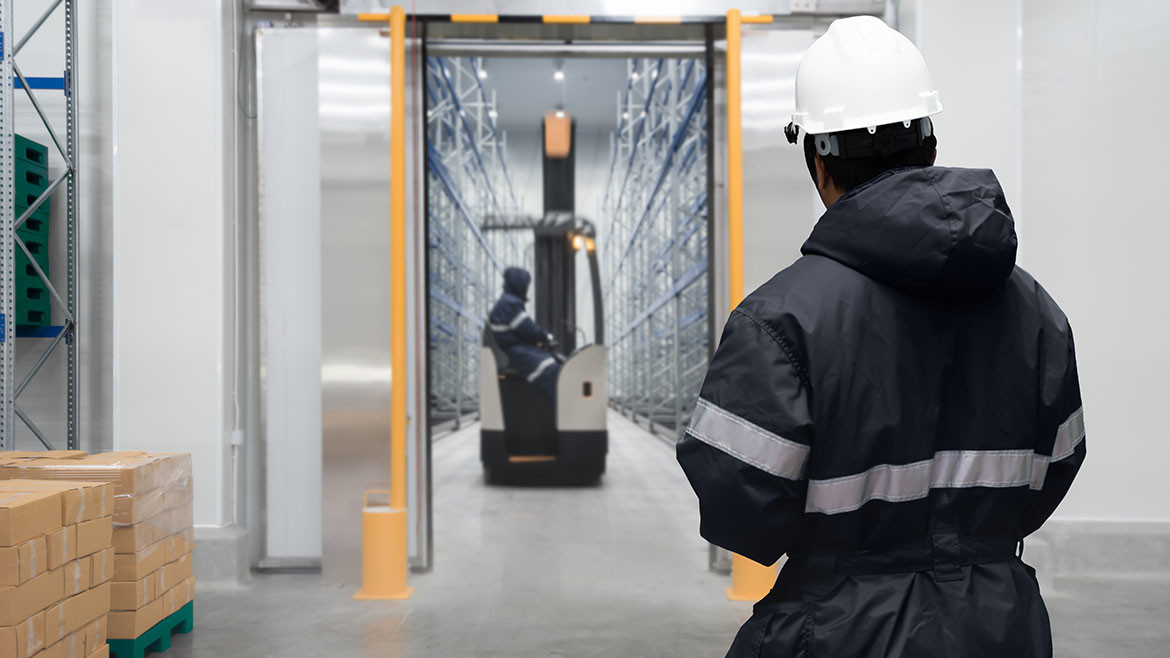
Many cold chain facilities use video to identify patterns and evaluate workflows to improve employee safety. Image source: sorn340 / iStock / Getty Images Plus
Facilities that want to keep up with a changing global economy are expanding their scope to use video monitoring to support safety, quality, productivity, and compliance.
This shift changes how systems need to be designed. Rather than treating cameras as isolated pieces of equipment, look at them as part of the broader operational ecosystem.
When video systems are aligned with workflows, integrated with other technologies and supported by clear processes, they become valuable tools for decision-making.
Looking for a reprint of this article?
From high-res PDFs to custom plaques, order your copy today!