How transparency helps frozen food manufacturers win
Being transparent sounds simple enough, but the path isn’t so easy for a lot of frozen food manufacturers.

This is a historic time in the food industry. A mandatory GMO labeling bill was signed into law. But, law or no law, the larger discussion around GMO labeling highlights a trend that is gaining momentum—transparency. Consumers want more of it, and many manufacturers are racing to figure out how to deliver it.
Of course, transparency goes beyond GMO labeling. In a recent industry study conducted by Label Insight, Chicago, 94% of consumers surveyed said it is important that the brands they buy from are transparent about how their food is made. More specifically, the study, “Food Revolution,” reveals that 71% of consumers said they consider whether they have access to the full list of ingredient information for a product when making food purchase decisions. Consumers are demanding transparency around all aspects of the products they consume. How will it benefit the frozen food brands that provide this transparency?
In a follow-up Label Insight study, “Transparency ROI,” results explored the way product transparency affects shopper behavior. This study found that transparency can spur sales and help brands build trust and foster loyalty among customers. In fact, 39% say they would switch to a new brand if it offered full product transparency. Furthermore, 73% of those surveyed say they would be willing to pay more for a product that offers complete transparency in all attributes. This means transparency can help brands gain market share while simultaneously increasing their brand worth with their existing customer base.
Being transparent sounds simple enough, but the path isn’t so easy for a lot of frozen food manufacturers. Consumers have different views on what information they want and who can be trusted to share this information. Plus, most manufacturers lack centralized databases with the granular information needed to meet this consumer demand. More than half the respondents surveyed in the Food Revolution study said they shop according to a specific diet. This leads to consumers asking questions such as, “How can I find food products free of high-fructose corn syrup?” or “I’m on a restricted sodium diet. What foods do you recommend?” Frozen food brands need to be able to transform product data into granular attributes in order to answer these questions. While digitizing the data on the package is a start, deciphering and contextualizing that data is what creates value. Using that granular data to leverage guidelines, industry standards and regulations to deliver a standard of product label data that goes beyond the physical label is key. Regardless of whether a frozen food manufacturer labels a product as "healthy," consumers should be able to easily tell for themselves whether or not it fits their personal definitions of the word.
The key to transparency is granular data, which can be acquired by using attribution technology. This takes the couple hundred data points found on packaging and deconstructs them into thousands of individual data points. This data is considered granular and can then be reconstructed and organized based on contextual attributes, such as the FDA’s definition of “low sugar” or “excellent source of fiber.” Frozen food manufacturers need to get smart about their product data by getting granular.
Benefits of transparency
First, transparency helps frozen food manufacturers understand how stakeholders perceive their products. Each stakeholder has a different priority to guide how they filter products. While a retailer may want to highlight all-natural products, a consumer may be looking for products with no added sugar. Granular attribution enables manufacturers to view their data through these different lenses to provide all stakeholders with the information they’re looking for.
Transparency through granular data also makes participation in industry initiatives such as SmartLabel much more accessible. SmartLabel is a great way for frozen food brands to share detailed, easy-to-understand product information in a standardized format. But, with more than 50 mandatory attributes and four times as many voluntary attributes, participation can require a lot of data gathering. Companies that invest in granular data attribution will find it easier to compile this data and map it to their SmartLabel pages.
A third benefit is competitive analysis and benchmarking. By gathering granular data on multiple brands within a category, a company can learn things such as how the products fit within the category, what claims other brands are making or what formulations are most popular.
This brings a fourth benefit to light—identifying reformulation and innovation opportunities. If a company manufactures products in a category that is responding to shifts in consumer preferences—for example, lowering sodium or removing artificial colors—it can use granular data to identify popular reformulations. Alternately, digging into category data can highlight white spaces or gaps that a brand may want to explore.
Transparency at work
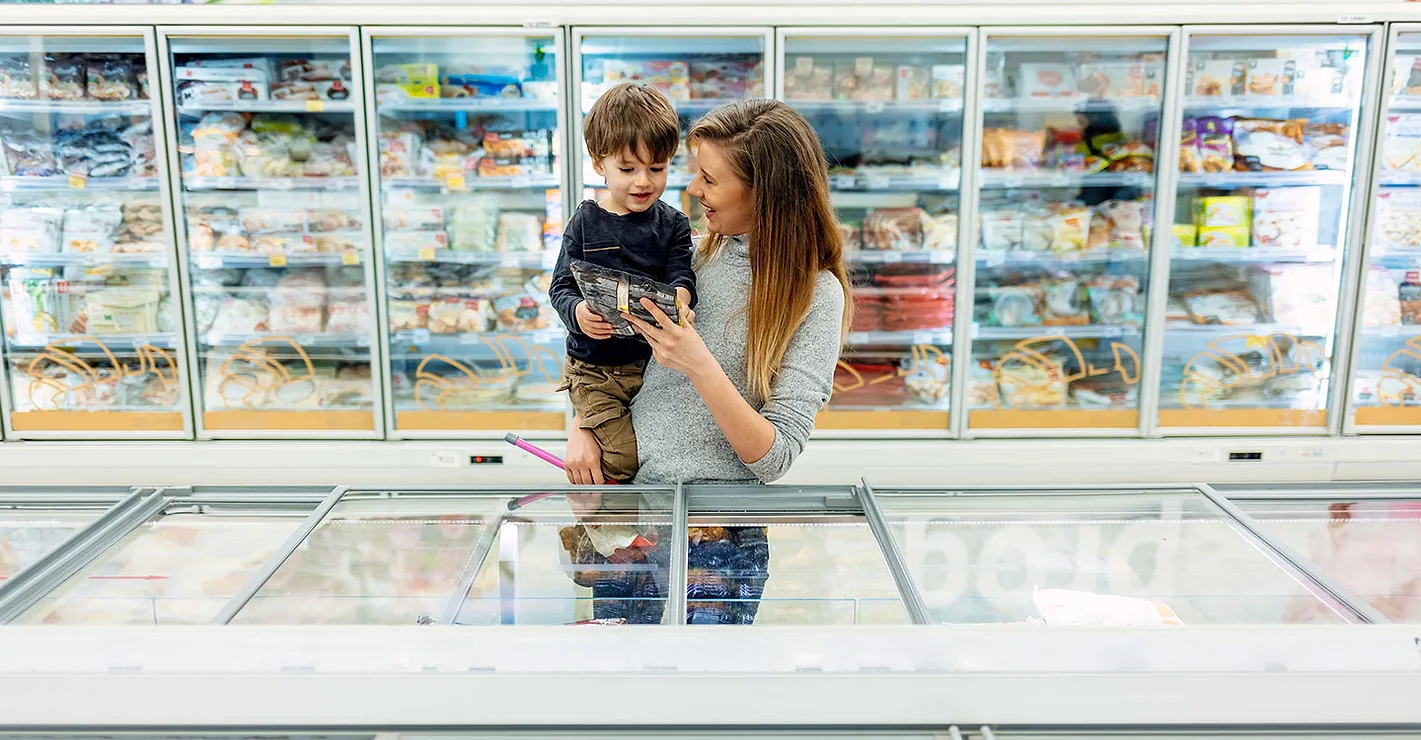
Frozen, prepared meals often come with a stigma attached. People sometimes question whether frozen meals are “healthy” based on their personal definitions of the word. While adding the word “healthy” to the name of a product may be enough to convince some, more consumers are demanding transparency from brands about what’s in their food and how it’s made. Plus, most shoppers have their own personal definitions of “healthy.” This means brands will need to back up their word choice with proof, and have it easily accessible to consumers. Having granular data available to show that you meet a specific standards and criteria means you can shout your brand’s message louder and back it up with confidence.
In conclusion
As consumer demand for transparency continues to increase, frozen food brands can get on the path to providing complete transparency by investing in a data partner that can help them transform their basic product data into granular attributes. Participation in the SmartLabel initiative can help brands easily extract granular product data and share product information in a detailed and easy-to-understand way. This is the key to reaching Millennials, growing market share and maintaining loyal customers.
Looking for a reprint of this article?
From high-res PDFs to custom plaques, order your copy today!