Study: 97% of organizations believe current last-mile delivery models are not sustainable for full scale implementation company-wide
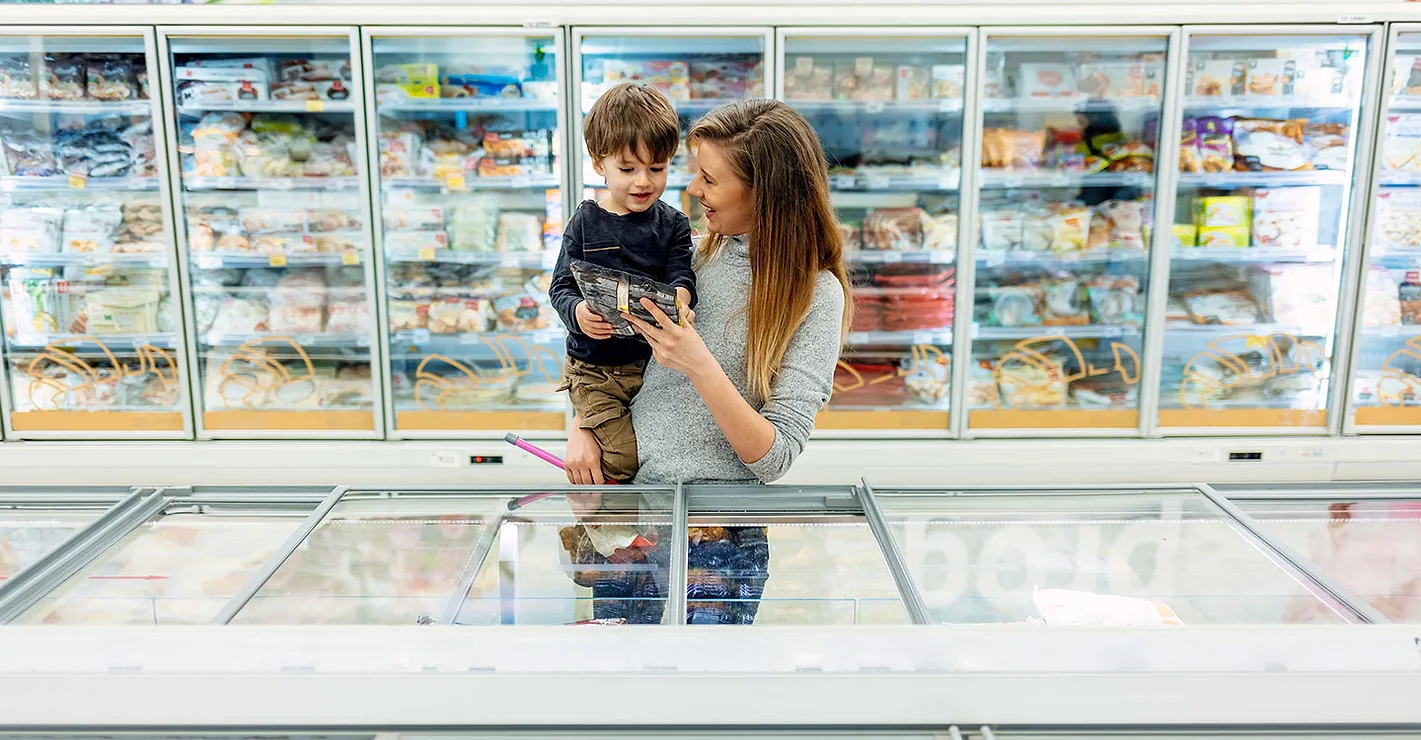
The study revealed three in four customers would increase spend and be more willing to try new offerings in return for satisfactory online grocery deliveries.
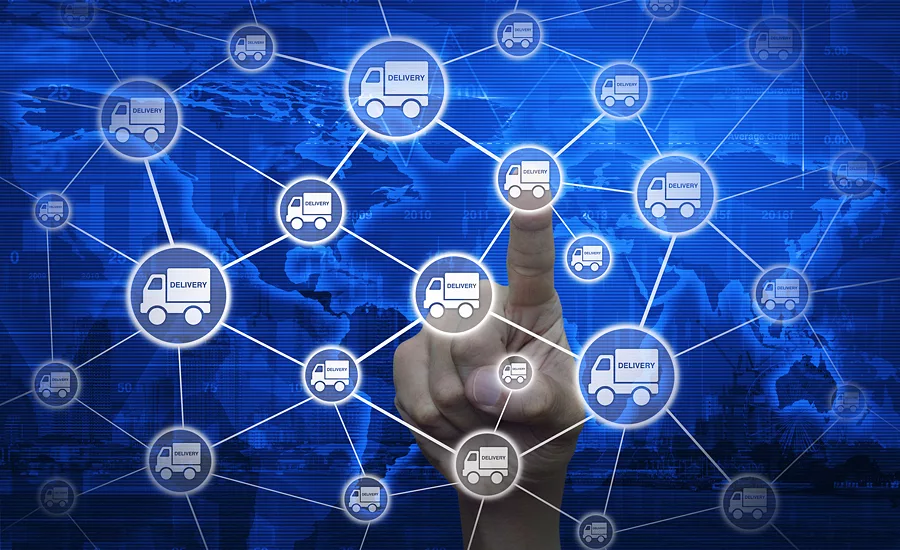
A retailer investment in last-mile delivery is needed to uncover new revenue streams, according to a study presented by the Capgemini Research Institute, Paris.
In fact, the report found that 97% of organizations believe that current last-mile delivery models are not sustainable for full scale implementation across all locations, and that free shipping costs cannot be maintained unless delivery costs are reduced through automation.
The study, “The Last-Mile Delivery Challenge: Giving retail and consumer product customers a superior delivery experience without impacting profitability,” surveyed over 2,870 consumers and 500 supply chain executives and entrepreneurs and industry leaders.
The key insights from the report include:
- Profitable opportunities lie in getting the last-mile experience right through automation. With warehouse and product sorting representing one-third of supply chain costs, there is a significant opportunity in automation. Recognizing this opportunity, 89% of organizations are investing in the mechanization and automation of store back-rooms to expedite fulfillment and deliveries.
- 40% of customers currently order groceries online at least once a week. This number is expected to reach 55% by 2021. And, 40% of customers class delivery services as a “must have” when purchasing food and grocery products, with one in five (20%) prepared to switch retailers if this is not provided. Evolving consumer behavior is also fueling greater immediacy in purchasing, with 59% of customers purchasing products online when they need them, rather than wait until the weekend to buy in-store.
- Fast and effective last-mile delivery increases customer spend and loyalty. Nearly 74% of customers intend to increase spend by as much as 12% with retailers they frequently purchase from. The majority (82%) of customers have shared positive experiences with friends and family, and just over half (53%) would even be willing to purchase a paid membership for a good delivery service. However, despite 55% of customers expressing that offering 2-hour deliveries would increase loyalty, only 19% of firms currently provide this compared to 59% of firms that offer a delivery time frame of over 3 days.
- 65% of customers use alternative grocery delivery services for better services than from traditional retailers. The report finds that consumers are not satisfied with the current state of last-mile delivery with high prices (59%), non-availability of same-day delivery (47%) and late deliveries (45%) being the driving factors of “delivery dissatisfaction.” Nearly half (48%) of dissatisfied customers would stop purchasing from the offending retailer if unsatisfied with delivery, and those who would continue would reduce their spend by 45%.
By comparing and contrasting attitudes between retailers and customers, the report identified the following trends:
Organizations are currently charging customers only 80% of the overall delivery cost, and deliveries are now the most expensive part of the supply chain. The report found that 97% of organizations believe that current last-mile delivery models are not sustainable for full scale implementation across all locations. As such, they must be viewed as a key investment for 2019, with only 1% of customers willing to absorb the total cost incurred for last mile deliveries.
Despite low delivery costs being the top priority for half of all customers, only 30% of organizations considered it a top priority for themselves. Similarly, almost three quarters (73%) of consumers expressed that having convenient time slots available was more important than receiving deliveries quickly, yet only 19% of firms rate this ability as a priority.
The report did, however, find that customers are open to experimenting with “crowdsourced”-style delivery options for an incentive (the most popular being monetary), 55% were willing to deliver products to neighbors in their vicinity, with 64% indifferent if a delivery were made by a retail store employee, private individual or third-party courier. In fact, 79% of customers are willing to deliver these groceries at a price that is less than the current cost incurred by retailers to deliver it themselves.
The report closes with the following recommendations for last-mile delivery success:
- Optimize fulfillment locations. Increasing store-based deliveries by 50% could potentially lead profit margins to soar by as much as 9%. Dark stores – retail outposts with store-like layouts intended only to fulfil online orders – can also process high delivery volumes and are 23% cheaper than conventional stores for same-day deliveries. Additionally, if 30% of deliveries and returns are routed through parcel locker collection arrangements, organizations could expect an 8% increase in profit margins.
- Automate delivery options. The report finds that back-room automation could increase profits by up to 14% by reducing the cost of click-and-collect orders and deliveries from store. Furthermore, automation offers a range of benefits, including reduction of fulfillment errors and managing returns (which forms 26% of the delivery cost).
“Today, customers are neither satisfied with the quality of delivery services, nor willing to bear the total cost of last-mile delivery. Therefore, the dilemma facing retailers is to provide last-mile delivery services that customers value without damaging their own profitability. If done right, and their last-mile experience can win over customer satisfaction, retailers stand to gain loyalty, increased purchase value and frequency, while mitigating profitability risk through automation and optimization of fulfillment locations,” says Tim Bridges, global sector leader, consumer products, retail and distribution.
Research methodology
The Capgemini Research Institute conducted a primary consumer survey of 2,874 consumers across five countries in Europe and North America in October 2018. Executives from 500 grocery retailers and consumer product firms were also surveyed. Capgemini then conducted interviews with industry leaders and leading entrepreneurs, examining the impact of last-mile delivery on cost, loyalty and profitability.
Looking for a reprint of this article?
From high-res PDFs to custom plaques, order your copy today!