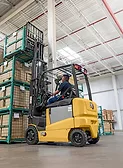
CAT Lift Trucks introduces the Q Series Electric Cushion, a powerful, zero-emissions forklift designed to match or exceed the rugged performance of IC models.
Refrigerated & Frozen Foods often focuses on new innovations along the cold chain – everything from automation and robotics to new processing techniques and packaging technologies.
This initiative marks the introduction of the Brazilian version of the Cold Chain Institute, which will celebrate 60 years of history in 2025 in the United States.
With the final FSMA IA rule in effect for small businesses since July and large businesses a year before that, coupled with changes to the food supply chain in response to the pandemic, risk assessment and mitigation should be a priority now more than ever. For the refrigeration and frozen food industry specifically, changes have also evolved with the implementation of the Sanitary Transportation rule.
The COVID-19 pandemic has had an historic impact on business across multiple industries in a very short time, including the cold food and beverage supply chain. We spoke with Lowell Randel, VP, government and legal affairs at the Global Cold Chain Alliance (GCCA) for a snapshot of how the cold chain is adjusting to the new norm, and also to dispel certain myths surrounding the country’s food supply and ability to replenish inventory.