Mission: vitality
Unilever nutrition and R&D teams aim to help consumers make better-for-you choices.
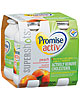
Spend some time at Unilever United States' Englewood Cliffs, N.J., headquarters and there's one word you will hear repeated again and again: vitality. It could be used in reference to the company's Promise activ SuperShots, which aid in removing cholesterol or relieving high blood pressure, or Bertolli Mediterranean Style frozen meals made with extra virgin olive oil-based sauces or the Country Crock Omega Plus fortified margarine spread. The list of products that meet Unilever's "Vitality Mission" of helping people feel good, look good and get more out of life goes on - but Unilever has plans to make it even longer.
"We said, 'In delivering on our mission of being a vitality company, we need to understand the nutritional composition of all the products we sell,'" says Doug Balentine, director of nutrition sciences for Unilever in the Americas. "Over time we've been gradually reformulating our products. We're setting our own internal benchmarks and working toward those benchmarks so that we can continuously enhance our food portfolio with better-for-you choices that don't sacrifice taste."
Unilever Plc/NV, based in London and Rotterdam, Netherlands, started its Nutrition Enhancement Program in 2005 and since then has recorded the nutritional "fingerprint" of approximately 22,000 products worldwide. Unilever's nutrition science teams evaluate products based on recommendations from the U.S. government and other international bodies. Four key nutrients are taken into consideration - saturated fats, trans fats, sodium and sugar - and in the U.S., cholesterol also is considered.
"Internally we will look at a product and say, 'How are we are going to try and take some of the sugars or sodium or fat out of this product or and still maintain the taste profile consumers expect?'" Balentine explains.
Take Ragu Old World Style pasta sauce for example. When the product exceeded the benchmarks for sugar and sodium, Unilever's marketing, nutrition and research and development teams worked together to reduce added sugar by 20 percent and sodium by 25 percent."We just took the [sugar and sodium] out and we were able to maintain the same taste and the same consumer acceptability," Balentine says. Pleasing the consumer - and Unilever's retail customers - is at the very core of the company's vision. And although Unilever has a long history of making nutrition a priority, making the consumer happy is at the heart of the Nutrition Enhancement Program.
"[Consumers] want taste, they want convenience, but they want health too," Balentine says. "Building all those together really is a challenge for all of us. ... How do you create better, healthier products in the context of still providing that great taste, functionality that the consumer wants and the added value? The consumer wants all three."
This year, Unilever met all these criteria with the Bertolli Mediterranean Style frozen meals launch. The Mediterranean Style line contains less fat, less saturated fat and less sodium than other varieties and has more vegetables and lighter sauces made with extra virgin olive oil.
"The Southern Mediterranean is characterized by cooking with lighter sauces and more vegetables," Balentine says.
By adding more vegetables and omega-3 ALA with extra virgin olive oil-based sauces, the meals were made more nutritious.
"In that sense, they fit more of a vitality space - in composition - but also in that they help people make their diet align with that Southern Med style of cooking," he adds.
In addition to tweaking lines - such as Bertolli and Ragu - Unilever food scientists say they are constantly working on new nutritious product propositions based on consumer needs.
"An example that's in the marketplace now, which took a lot of science in terms of the proposition is the Promise activ SuperShots," Balentine says. The mini-drinks contain plant sterols that aid in heart health by removing cholesterol from the body.
Balentine continues, "Heart disease affects both young and old. It is the No. 1 cause of death globally and cholesterol is one of the leading causes of that. So, cholesterol management is something that everybody deals with on a daily basis."
Once consumer need is established, the nutrition scientists work toward a proposition for fulfilling the need in the marketplace.
"We have a central research group; they go out and do what we call 'discovery,'" Balentine says. "They do the basic research that's needed to say that we can help with this in this way, such as with plant sterols. We run clinical trials in which we give people plant sterols as part of their diet, twice a day, and then we measure whether or not their cholesterol actually goes down."
Once the science is established, the central research group works in tandem with R&D to design the product.
"We [the nutrition science team] say, 'Here is the nutritional profile you need to meet,'" Balentine explains. "Then they go off and make it look good, taste good, smell good and meet all those requirements that we know we need to make and market a sound nutrition-based product."
Before the product even hits the shelf, the process requires several departments to work together - marketing, nutrition and R&D - which makes the outcome a source of pride for everyone involved.
Balentine adds, "We help each other a lot. We work together as a team, so nutrition is really part of the R&D team that drives all these innovations."Wherever those innovations take Unilever next - Balentine is confident about one thing - they will be grounded in science.
"As a nutrition scientist, we have to really look at what the long-term trends are and use science as a basis of driving us as much as possible," he says. "It really is about taking good science and putting it into products that meet the needs of consumers."
In order to make deciphering healthy food choices faster and easier for consumers, Unilever, Englewood Cliffs, N.J., launched "Eat Smart Drink Smart" on-pack logos last year.
The logos are designed to clearly indicate healthy choices on grocery store shelves.
Products that meet United States Dietary Guidelines are adorned with the logos on their front panels, with a descriptor on a side or back panel.
Unilever says that more than 20 criteria - evaluated by an independent scientific committee - are considered and products must meet five benchmarks (for sodium, trans fat, saturated fat, sugar and, in the U.S., cholesterol) before a product's packaging gets a logo.
The company evaluated the nutritional content of each of its food products under the Nutrition Enhancement Program. Brands that carry Eat Smart or Drink Smart labels on certain product varieties include: Bertolli, Ragu, Slim-Fast, Promise, Lipton, Skippy and Hellman's.
Spend some time at Unilever United States' Englewood Cliffs, N.J., headquarters and there's one word you will hear repeated again and again: vitality. It could be used in reference to the company's Promise activ SuperShots, which aid in removing cholesterol or relieving high blood pressure, or Bertolli Mediterranean Style frozen meals made with extra virgin olive oil-based sauces or the Country Crock Omega Plus fortified margarine spread. The list of products that meet Unilever's "Vitality Mission" of helping people feel good, look good and get more out of life goes on - but Unilever has plans to make it even longer.
"We said, 'In delivering on our mission of being a vitality company, we need to understand the nutritional composition of all the products we sell,'" says Doug Balentine, director of nutrition sciences for Unilever in the Americas. "Over time we've been gradually reformulating our products. We're setting our own internal benchmarks and working toward those benchmarks so that we can continuously enhance our food portfolio with better-for-you choices that don't sacrifice taste."
Unilever Plc/NV, based in London and Rotterdam, Netherlands, started its Nutrition Enhancement Program in 2005 and since then has recorded the nutritional "fingerprint" of approximately 22,000 products worldwide. Unilever's nutrition science teams evaluate products based on recommendations from the U.S. government and other international bodies. Four key nutrients are taken into consideration - saturated fats, trans fats, sodium and sugar - and in the U.S., cholesterol also is considered.
"Internally we will look at a product and say, 'How are we are going to try and take some of the sugars or sodium or fat out of this product or and still maintain the taste profile consumers expect?'" Balentine explains.
Take Ragu Old World Style pasta sauce for example. When the product exceeded the benchmarks for sugar and sodium, Unilever's marketing, nutrition and research and development teams worked together to reduce added sugar by 20 percent and sodium by 25 percent."We just took the [sugar and sodium] out and we were able to maintain the same taste and the same consumer acceptability," Balentine says. Pleasing the consumer - and Unilever's retail customers - is at the very core of the company's vision. And although Unilever has a long history of making nutrition a priority, making the consumer happy is at the heart of the Nutrition Enhancement Program.
"[Consumers] want taste, they want convenience, but they want health too," Balentine says. "Building all those together really is a challenge for all of us. ... How do you create better, healthier products in the context of still providing that great taste, functionality that the consumer wants and the added value? The consumer wants all three."
This year, Unilever met all these criteria with the Bertolli Mediterranean Style frozen meals launch. The Mediterranean Style line contains less fat, less saturated fat and less sodium than other varieties and has more vegetables and lighter sauces made with extra virgin olive oil.
"The Southern Mediterranean is characterized by cooking with lighter sauces and more vegetables," Balentine says.
By adding more vegetables and omega-3 ALA with extra virgin olive oil-based sauces, the meals were made more nutritious.
"In that sense, they fit more of a vitality space - in composition - but also in that they help people make their diet align with that Southern Med style of cooking," he adds.
In addition to tweaking lines - such as Bertolli and Ragu - Unilever food scientists say they are constantly working on new nutritious product propositions based on consumer needs.
"An example that's in the marketplace now, which took a lot of science in terms of the proposition is the Promise activ SuperShots," Balentine says. The mini-drinks contain plant sterols that aid in heart health by removing cholesterol from the body.
Balentine continues, "Heart disease affects both young and old. It is the No. 1 cause of death globally and cholesterol is one of the leading causes of that. So, cholesterol management is something that everybody deals with on a daily basis."
Once consumer need is established, the nutrition scientists work toward a proposition for fulfilling the need in the marketplace.
"We have a central research group; they go out and do what we call 'discovery,'" Balentine says. "They do the basic research that's needed to say that we can help with this in this way, such as with plant sterols. We run clinical trials in which we give people plant sterols as part of their diet, twice a day, and then we measure whether or not their cholesterol actually goes down."
Once the science is established, the central research group works in tandem with R&D to design the product.
"We [the nutrition science team] say, 'Here is the nutritional profile you need to meet,'" Balentine explains. "Then they go off and make it look good, taste good, smell good and meet all those requirements that we know we need to make and market a sound nutrition-based product."
Before the product even hits the shelf, the process requires several departments to work together - marketing, nutrition and R&D - which makes the outcome a source of pride for everyone involved.
Balentine adds, "We help each other a lot. We work together as a team, so nutrition is really part of the R&D team that drives all these innovations."Wherever those innovations take Unilever next - Balentine is confident about one thing - they will be grounded in science.
"As a nutrition scientist, we have to really look at what the long-term trends are and use science as a basis of driving us as much as possible," he says. "It really is about taking good science and putting it into products that meet the needs of consumers."
Side bar: Get smart
"Consumers, on average, make a purchase decision in three to five seconds," says Doug Balentine, director of nutrition sciences for Unilever in the Americas. "They don't have a lot of time to turn [a product] over and look at the nutrition facts. So we decided to do the homework for them."In order to make deciphering healthy food choices faster and easier for consumers, Unilever, Englewood Cliffs, N.J., launched "Eat Smart Drink Smart" on-pack logos last year.
The logos are designed to clearly indicate healthy choices on grocery store shelves.
Products that meet United States Dietary Guidelines are adorned with the logos on their front panels, with a descriptor on a side or back panel.
Unilever says that more than 20 criteria - evaluated by an independent scientific committee - are considered and products must meet five benchmarks (for sodium, trans fat, saturated fat, sugar and, in the U.S., cholesterol) before a product's packaging gets a logo.
The company evaluated the nutritional content of each of its food products under the Nutrition Enhancement Program. Brands that carry Eat Smart or Drink Smart labels on certain product varieties include: Bertolli, Ragu, Slim-Fast, Promise, Lipton, Skippy and Hellman's.
Looking for a reprint of this article?
From high-res PDFs to custom plaques, order your copy today!