Move to –15°C Coalition Expands to 55 Members
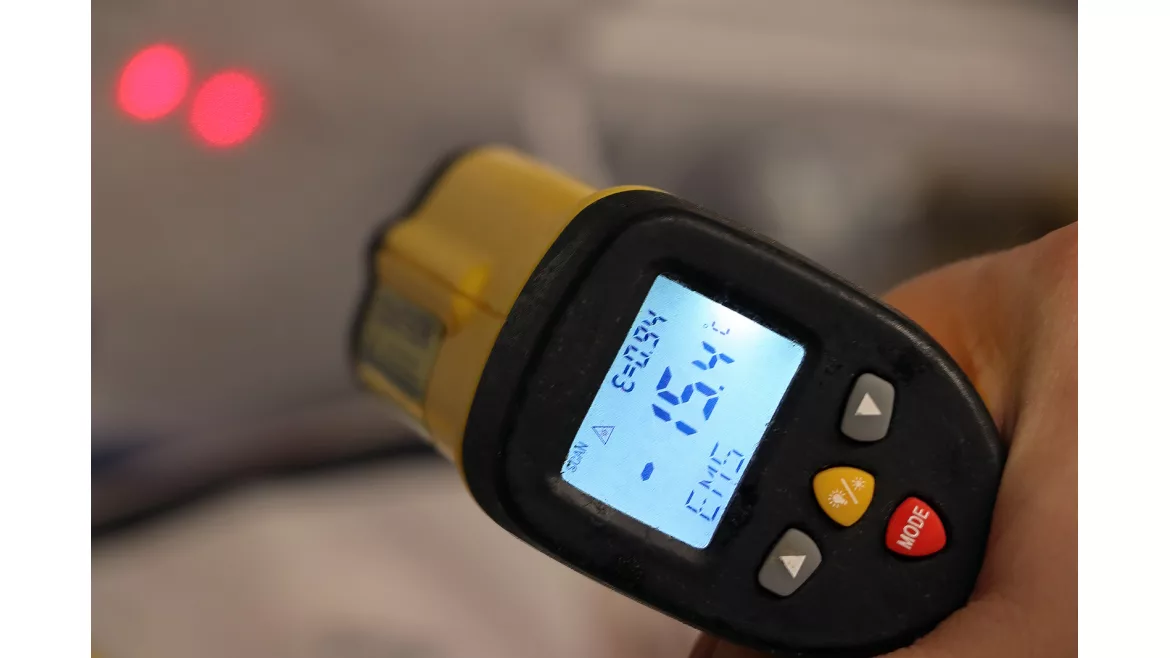
Since its public launch at COP28, the coalition has expanded from 11 founding members to 55 organizations united by a shared goal: to reduce emissions, cut energy use, and future-proof the frozen food supply chain. Photo courtesy Wayne Labs.
Eighteen months from launch, an expanded Move to -15°C Coalition convened in London to reaffirm its mission: to explore and enable a temperature shift in frozen food logistics from -18°C to -15°C - a scientifically-backed move that could cut global emissions by 17.7 million metric tons of CO₂ annually, without compromising food safety. That's the equivalent annual emission of 3.8 million cars.
Since its public launch at COP28, the coalition has expanded from 11 founding members to 55 organizations united by a shared goal: to reduce emissions, cut energy use, and future-proof the frozen food supply chain. Its membership now spans every link of the cold chain, from food producers and storage specialists to logistics firms, technology providers and retailers.
This cross-sector collaboration remains central to the coalition’s strategy, allowing members to exchange insights, co-develop pilots and share best practice.
Recent additions to the coalition include IKEA, a global home furnishings leader with a significant food restaurant and retail footprint, along with Arbi Dario S.p.A., Samworth Brothers, Titan Containers, ZIM, Aviko, Apetito, Greenyard Frozen, Thistle Seafoods, Prodalim, Farmfrites, Denholm Group, Pacific International Lines, Atalanta Corporation, Vestey Holdings, and the University of Oxford’s Energy and Power Group.
The coalition’s work is grounded in robust research, including the Three Degrees of Change report and an 18-month trial by Nomad Foods and Campden BRI. These studies suggest that increasing the frozen food temperature set point from -18°C to -15°C does not compromise food safety or quality across a range of products, with microbial activity remaining inactive below -12°C and no significant impact observed on taste, texture, or nutrition.
These findings point to an opportunity and the coalition is now focused on understanding how this translates across today’s complex, real-world supply chains. To support this next phase, the Move to -15°C is partnering with FROSTEQ, a research project led by Wageningen Food & Biobased Research. FROSTEQ is designed to identify and address practical challenges in changing the frozen food temperature standard, helping pave the way for a smooth and sustainable industry transition.
In parallel with longer-term efforts to enable a shift to -15°C, the coalition is also collaborating on near-term wins that can be implemented today. Members are identifying areas where temperature optimization is already possible within current operations and regulatory boundaries, for example, moving from -22°C to -18°C in certain segments of the cold chain.
These incremental changes reinforce the principle that every degree counts, and that meaningful emissions and energy savings can be achieved now. By working together to test, measure and share results from these early interventions, coalition members are building a shared foundation of insight and action that supports the broader ambition for systemic change.
“World Refrigeration Day is a moment to reflect on the value refrigeration brings to society. We are challenging ourselves to make it more efficient, equitable and climate-aligned. The case for change remains clear, including finding efficiencies within today's regulations,” said Thomas Eskesen, chair of the Move to -15°C Coalition. “The Move to -15°C coalition will continue to lead by example, grounded in evidence and strengthened by global collaboration.”
The initiative has to date been recognized with 20 international awards, celebrating the coalition’s creativity, collaboration and climate ambition. The growing list of accolades reflects global recognition for the coalition’s role in mobilizing industry-wide action on a simple yet powerful idea: that moving from -18°C to -15°C can deliver measurable environmental benefits without compromising food safety. We are proud to stand alongside industry leaders turning ambition into action.
About the Move to -15C
About the Move to -15°C: Established in 2023, the Move to -15°C aims to reset frozen food temperature standards to reduce greenhouse gases, lower supply chain costs and secure global food resources. It was founded following the launch of the Three Degrees of Change report, an academic paper supported by global logistics firm, DP World. Recognising that a change in global temperature standards requires a collective effort, the Coalition brings together key players within the global food supply chain to collaborate and explore viable options for a move to -15°C.
Looking for a reprint of this article?
From high-res PDFs to custom plaques, order your copy today!