Using Predictive Modeling to Transform Refrigerated Food Safety & Innovation
How cold food manufacturers can meet speed-to-market while maintaining quality.
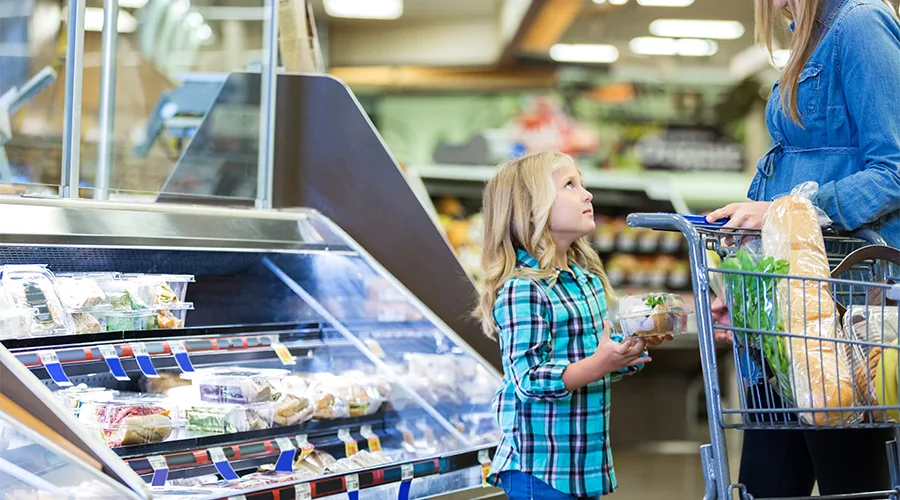
In a category as trend-sensitive as refrigerated foods, speed-to-market is a key competitive advantage.
In the refrigerated foods industry, innovation and safety must move in lockstep. As the market grows increasingly competitive, manufacturers are constantly challenged to meet evolving consumer preferences for high-quality, clean label products while upholding key safety standards.
These pressures are intensifying as consumers seek more transparency into what goes into their food. A recent International Food Information Council (IFIC) survey found that compared to 2024, more Americans now identify foodborne illness from bacteria (50%) and food additives and ingredients (36%) as the most important food safety issues.
In response, predictive modeling tools have emerged as a key ally in tackling both goals simultaneously.
Rather than relying solely on post-production testing or traditional shelf-life studies, many companies are embracing predictive food safety models that simulate microbial growth under specific conditions. These models help identify potential risks before they materialize, allowing for more informed decisions during product development.
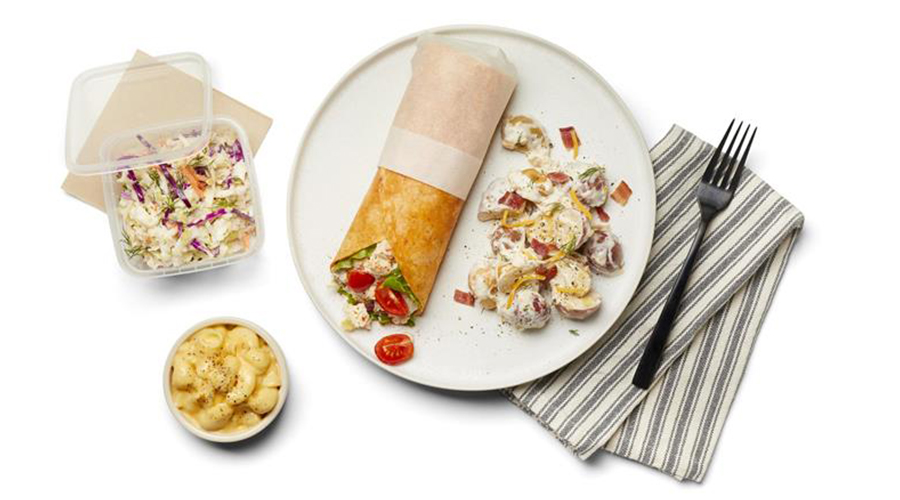
Especially for refrigerated foods, where time and temperature are critical variables, predictive tools are rapidly becoming essential components of both innovation and safety strategies.
Smarter Product Development
Predictive tools allow developers to anticipate microbial behavior in various product environments.
These models consider factors such as pH, moisture content, water activity, salt content, and storage temperature to estimate the likelihood of microbial growth over time. For refrigerated foods, this provides insight into the shelf life and safety of a product before it reaches the pilot stage.
One of the primary advantages of these tools is the ability to streamline formulation. By running virtual simulations, R&D teams can evaluate multiple formulation scenarios quickly and efficiently.
This can reduce the need for costly and time-consuming challenge studies, enabling teams to move through the development process with greater confidence and speed.
By integrating these advanced features, food processors and manufacturers can move beyond static testing and offer dynamic, scenario-based modeling that better reflects the realities of refrigerated food systems.
Clean Label, Consumer-Driven Innovation
Today’s consumers are more ingredient-conscious than ever. The shift toward “cleaner” labels and simpler formulations puts added pressure on manufacturers to remove certain conventional preservatives without sacrificing food safety.
Approximately three-quarters of consumers in both the U.S. and Canada report that the ingredient list has, at some point, caused them to rethink buying a product, according to a report by Innova Market Insights.
Predictive modeling helps navigate this challenge by quantifying the protective effects of label-friendly ingredients, such as ferments or cultured sugars or vinegars, within the context of the final product.
This gives product developers the flexibility to explore alternative preservation strategies while still meeting shelf life and food safety requirements. For marketers and brand managers, it opens the door to new product positioning statements, backed by a strong safety foundation.
In a category as trend-sensitive as refrigerated foods, speed-to-market is a key competitive advantage. Whether it is capitalizing on demand for global flavors, seasonal offerings, or functional meals, manufacturers need the ability to innovate quickly while maintaining food safety compliance.
Predictive tools can help manufacturers shorten the development timeline by removing uncertainty early in the process. Instead of trial-and-error testing for each new ingredient or format, teams can use simulations to vet safety parameters and focus efforts on the most promising options. This kind of agility is particularly valuable in small-batch and limited-time offerings, where traditional validation timelines may not always be feasible.
Moreover, predictive tools make it easier to respond to regulatory shifts. As safety standards evolve globally, the ability to proactively assess risk and adapt formulations accordingly is becoming a strategic imperative, not just a compliance requirement.
Bridging Cross-Functional Teams
Predictive modeling also serves as a collaborative bridge across departments.
Food safety teams, R&D, and marketing often approach product development with different goals in mind. Predictive tools provide a common framework for evaluating risk and feasibility, helping align technical parameters with business objectives.
For example, product developers may aim to extend shelf life while offering a clean label, while food safety teams are focused on mitigating microbial risk. A predictive model allows both sides to assess potential trade-offs before a product moves into production. With updated reporting and multi-ingredient simulation capabilities, modern predictive modeling tools provide a shared data set that facilitates more effective decision-making across teams.
As refrigerated food manufacturers prepare for the next wave of innovation, predictive tools will continue to play a vital role. The combination of real-time modeling, deeper data integration and tailored risk assessments gives companies the confidence to innovate while maintaining control over product safety.
From a technical perspective, the ability to model temperature abuse scenarios or test multiple preservation strategies in a single simulation helps developers stay ahead of both microbial threats and market expectations. From a business standpoint, it reduces time, cost, and risk—enabling companies to bring new products to market with greater speed and assurance.
For an industry where a single food safety issue can have wide-reaching impacts, predictive modeling represents a critical advancement. By embedding these tools into their development processes, manufacturers are not only safeguarding their products but also positioning themselves as leaders in responsible, forward-thinking innovation.
Looking for a reprint of this article?
From high-res PDFs to custom plaques, order your copy today!