Refrigerated Frozen Foods logo
search
cart
facebook twitter linkedin youtube
  • Sign In
  • Create Account
  • Sign Out
  • My Account
Refrigerated Frozen Foods logo
  • NEWS
  • PRODUCTS
  • COLD STORAGE
    • Cold Storage Trends
    • Farm to Frozen
    • Supply Chain & Logistics
  • PACKAGING
  • TOPICS
    • Food Safety
    • Product Development & Manufacturing
    • Sustainable Solutions for Cold Foods
  • MEDIA HUB
    • Play Our Word Game
    • Podcasts
    • Videos
    • Polls
    • Webinars
  • DIRECTORIES
    • Cold Storage Construction Guide
    • Warehouse Guide
    • Food Master
  • MORE
    • Cold Chain Perspectives
    • Case Studies
    • C-Suite Q&A
    • Top 150 Processors
    • Awards >
      • Best New Retail Products
      • Cold Storage Facility of the Year
      • Processor of the Year
    • Directory of Associations
    • R&FF Store
    • Calendar of Events
    • FA&M Conference & Expo
  • EMAG
    • eMagazine
    • Archive Issues
    • Contact
    • Advertise
  • SIGN UP!
Cold Chain PerspectivesSupply Chain Logistics for Refrigerated & Frozen Food

How to Assess Supply Chain Vulnerabilities

By Dr. Jeff Karrenbauer
September 8, 2014

A supply chain vulnerability/risk assessment should be an integral part of an overall supply chain strategy analysis. Unfortunately, this is rarely the case. We continually hear, “Yes, yes, we understand the importance. We’ll get to it next week…next month…next year….some time.” None of these excuses are acceptable. Failure to adequately address supply chain vulnerability may place the enterprise at risk.SupplyChainLogistics_IN

So, how does one go about assessing supply chain risk?

A proper vulnerability analysis is a 3-step holistic process that encompasses the entire supply chain, starting with a company’s customers and the products they purchase, then working back to the upper-most tier of raw material suppliers.

Phase I: Preliminary discussion

This very important phase focuses on (1) education—nature and importance of supply chain vulnerability/risk assessment, types of risk, mitigation strategies and case examples; (2) informal company assessment of risk (where and why); and (3) supply chain description and fundamental strategic drivers. A truly rigorous study would involve formal supply chain mapping to include commodities, facility, inventory, transportation, customer locations and information flow details.

Phase II: Audit

This step delivers a complete clean-sheet, detailed view of a global supply chain not available from a single macro business system, such as ERP or a micro execution system such as a TMS or a WMS.

Typically the most time-consuming phase, the audit consists of detailed information gathering. For example, databases should be prepared for raw materials, intermediate products (work in process) and finished products that contain annual volume in units, sales and profits, number of sources and location and contribution of each source. For raw materials and intermediate products items, annual sales and profits are the corresponding values summed across all of the finished products for which they are a part of the bill of materials.

In order to evaluate the viability of vendors, one should gather a variety of financial, performance and business environment data (host country financial stability, political stability and so on), including information about their vendors, much of which will involve a measure of subjective judgment. One can then apply various predictive analytics statistical methods, such as a factor analysis and regression analysis to develop models of vendor success or failure. This step requires time, patience, persistence, expertise and a management commitment to an ongoing program of vendor evaluations.

Let’s return to supply chain mapping with a summary of desired information:

  • Descriptive data
  • Commodities (raw material, intermediate product, finished product)
  • Locations (supplier, manufacturing, port, distribution center, cross-dock, pool point, customer)
  • Major channels (especially critical in omni-channel environments)
  • Customer demand data (preferably at a disaggregated, line-item level of transaction detail)
  • Facility costs and capacities (procurement, manufacturing, distribution center, port handling, inventory, etc.)
  • Transportation costs and historical utilization (preferably by lane/mode/shipment size)
  • Duties and taxes, if applicable
  • Detailed historical flows by link, location and commodity

Phase III: Create a model using advanced network analytics

Use this opportunity to redesign your supply chain and ask a myriad of questions about location (where, number, type, size, mission), capacities (procurement, manufacturing, storage), customer service, sustainability goals and constraints. But, the purpose is to assess vulnerability. Here are three examples:

1. Elimination of facility locations one at a time (“one bump” analysis), two at a time (“two bump” analysis) and so on.

2. Forcing service to critical customers from secondary locations.

3. Follow the prescriptive optimization-based analysis with a detailed, day-by-day descriptive simulation of a proposed network.

 Don’t wait until next week, next month or next year to address your company’s supply chain vulnerability. Failure to put in place an effective supply chain security method presents opportunities for your supply chain to be at risk. 

KEYWORDS: risk assessment

Share This Story

Looking for a reprint of this article?
From high-res PDFs to custom plaques, order your copy today!
Dr. Jeff Karrenbauer is president of INSIGHT, Inc., a supply chain planning solutions provider based in Manassas, Va.

Recommended Content

JOIN TODAY
To unlock your recommendations.

Already have an account? Sign In

  • Best New Retail Products of 2026 badge with grocery store refrigerators in the background.

    Top of the Freezer: R&FF’s Best New Retail Products

    From BFY proteins to globally inspired treats, these...
    Cold Foods Industry News
    By: Kelley Rodriguez
  • Pasco Exterior

    Reser’s Fine Foods: From Farmhouse Kitchen to ‘Good Times’ Everywhere

    A home-based potato salad company started 75 years ago...
    Cold Foods Industry News
    By: Kelley Rodriguez
  • FromtheColdCorner-Anchor_1170x658.jpg

    EPR, Plastic Packaging for Cold Foods & More

    As consumer and regulatory pressure put plastic in the...
    Sustainable Solutions for Cold Foods
    By: Kelley Rodriguez
Manage My Account
  • eMagazine
  • What’s Hot in Cold Newsletter
  • Manage My Preferences
  • Online Registration
  • Customer Service

More Videos

Popular Stories

From the Cold Corner with Americold's Rob Chambers feature image

How Cold Chain Strategy Is Replacing Capacity

Best New Retail Products of 2026 badge with grocery store refrigerators in the background.

Top of the Freezer: R&FF’s Best New Retail Products

1170x658 of Cold Storage Podcast with Jennifer Jewers Bowlin and Craig Handy

ASRS, AI & Adaptability: What's Shaping the Future of Cold Storage

2026 Processor of the Year


Does your facility lead the industry? Nominate your cold storage facility today!

Events

June 17, 2025

Refrigerated & Frozen Foods’ State of the Cold Chain

On Demand Kelley Rodriguez, Editor in Chief of Refrigerated & Frozen Foods, will be joined in this 60-minute webinar by industry experts to help unpack the latest research.

January 1, 2030

Webinar Sponsorship Information

For webinar sponsorship information, visit www.bnpevents.com/webinars or email webinars@bnpmedia.com.

View All Submit An Event

Products

Water Activity in Foods: Fundamentals and Applications, 2nd Edition

Water Activity in Foods: Fundamentals and Applications, 2nd Edition

See More Products
New Retail Products

Explore the newest flavors, textures, and innovations in the frozen food aisle!


SEE WHAT'S NEW!
Play Refrigerated & Frozen Foods’ Cool Word of the Week! There's a new word every Wednesday.

Related Articles

  • How to Identify Supply Chain Vulnerabilities in the Cold Food Industry

    See More
  • How Supply Chain Vulnerabilities Can Lead to Sustainable Opportunities

    See More
  • Software Tool That Reduces Supply Chain Vulnerabilities

    See More

Related Products

See More Products
  • supplychain.jpg

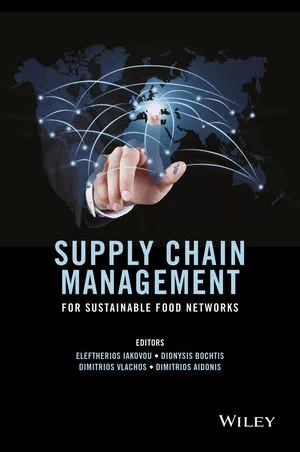
    Supply Chain Management for Sustainable Food Networks

  • food safety.jpg

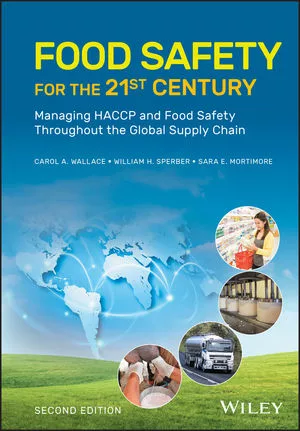
    Food Safety for the 21st Century: Managing HACCP and Food Safety Throughout the Global Supply Chain, 2nd Edition

  • statical.jpg

    Statistical Process Control for the Food Industry: A Guide for Practitioners and Managers

See More Products

Events

View AllSubmit An Event
  • September 26, 2016

    Supply Chain Exchange II

    How can we leverage our transportation and logistics operations to achieving corporate sustainability goals?
View AllSubmit An Event

Related Directories

  • Armada Supply Chain Solutions

×

Elevate your expertise in refrigerated and frozen foods with unparalleled insights and connections.

Get the latest industry updates tailored your way.

JOIN TODAY!
  • RESOURCES
    • Advertise
    • Contact Us
    • Directories
    • Store
    • Want More
  • SIGN UP TODAY
    • Create Account
    • eMagazine
    • Newsletter
    • Customer Service
    • Manage Preferences
  • SERVICES
    • Marketing Service
    • Reprints
    • Market Research
    • List Rental
    • Survey/Respondent Access
  • STAY CONNECTED
    • LinkedIn
    • Facebook
    • YouTube
    • X (Twitter)
  • PRIVACY
    • PRIVACY POLICY
    • TERMS & CONDITIONS
    • DO NOT SELL MY PERSONAL INFORMATION
    • PRIVACY REQUEST
    • ACCESSIBLITY

Copyright ©2026. All Rights Reserved BNP Media, Inc. and BNP Media II, LLC.

Design, CMS, Hosting & Web Development :: ePublishing