Refrigerated Frozen Foods logo
search
cart
facebook twitter linkedin youtube
  • Sign In
  • Create Account
  • Sign Out
  • My Account
Refrigerated Frozen Foods logo
  • NEWS
  • PRODUCTS
  • COLD STORAGE
    • Cold Storage Trends
    • Farm to Frozen
    • Supply Chain & Logistics
  • PACKAGING
  • TOPICS
    • Food Safety
    • Product Development & Manufacturing
    • Sustainable Solutions for Cold Foods
  • MEDIA HUB
    • Play Our Word Game
    • Podcasts
    • Videos
    • Polls
    • Webinars
  • DIRECTORIES
    • Cold Storage Construction Guide
    • Warehouse Guide
    • Food Master
  • MORE
    • Cold Chain Perspectives
    • Case Studies
    • C-Suite Q&A
    • Top 150 Processors
    • Awards >
      • Best New Retail Products
      • Cold Storage Facility of the Year
      • Processor of the Year
    • Directory of Associations
    • R&FF Store
    • Calendar of Events
    • FA&M Conference & Expo
  • EMAG
    • eMagazine
    • Archive Issues
    • Contact
    • Advertise
  • SIGN UP!
Cold Foods Packaging

Study: Reusable plastic containers still pose food safety concerns

October 27, 2015

A study released by the Center for Food Safety at the University of Arkansas’ Department of Food Science documents that multiple hurdles continue to exist in ensuring reusable plastic containers (RPCs) are clean and lack microbial contamination above safe levels.

The Center for Food Safety conducted a series of four new studies to test sanitizers outlined by the RPC industry. To test sterilization, this study exceeded concentrations by 1,000 times and doubled exposure times deemed safe for consumable food contact by the Environmental Protection Agency (EPA). Results showed that RPCs were still unable to achieve recommended levels for sanitization.

This research is unique in that the study tests RPCs previously used in the distribution stream, according to Dr. Steven Ricke, director of theCenter for Food Safety.

“While we know biofilms cannot be removed with commercial and industrial methods, we wanted to see how many cells of the most common, Salmonella, actually could be removed, if any, by using and exceeding industry and regulatory agency methods, testing four variances such as chemicals and exposure times,” adds Ricke.

After sanitization, the number of Salmonella cells remaining on the individual coupons consistently exceeded the 1,000 organism limit expected on clean RPC surfaces. None of the microbially contaminated RPC coupons treated with the EPA maximum allowable food-contact sanitizer concentrations resulted in residual counts less than 1,000.

In fact, the residual number of Salmonella organism counts ranged from 2,700 to 5.1 million after sanitization, according to the study.

In pre-lab sterilization testing, Ricke also reports the researchers experienced great difficulty removing any remnants of microorganisms on the RPCs. Only RPC coupons that underwent sanitization and disinfection with 70% ethanol after autoclaving in pre-testing were able to pass acceptable levels. Autoclaving, Ricke notes, is only used in laboratories, and the pressurized, steam sterilization vessel is not typically found in commercial settings, nor are disinfectants used with consumable food products.

“While the RPC industry touted 99.5% removal after sanitization, which may sound impressive, the 0.5% actually holds a lot of cells that can cause a lot of trouble,” says Ricke. “It depends on how many cells are there in the first place. Only one cell left behind can multiply, transfer, spoil product or ultimately, make someone sick.”

After inoculation and sanitation at maximum allowable EPA food contact levels, three studies of RPCs taken from the distribution stream recorded only a 2- to 3.48-log reduction out of the 5-log required. Scientists use log reductions, rather than percentages, to represent the actual number of living cells after sanitization. The surviving cells after a log reduction have the potential to transfer to products or surfaces.

To sanitize the RPCs, researchers tested sodium hypochlorite and peracetic acid, both which have been approved for food contact surface sanitization at up to 200 parts per million by the EPA and the U.S. Food Safety and Inspection Service (FSIS), specifying a 5-log reduction in the number of disease-causing microorganisms within 30 seconds of exposure.

“Recent marketing literature from RPC manufacturers notes biofilms are present in the washing process, and that’s a real concern for a safe food supply. Scientists know soap is just soap when fighting harmful bacteria, and using big words or scary sounding chemicals doesn’t change that,” says Ricke. “Retailers, when making packaging decisions with suppliers, need to understand that multi-use packaging can be a potential source for contamination from either coming in contact with tainted food product and returning to the distribution stream, or contaminating new product from packaging, which contains live cells that cannot be removed from cleaning processes.”

SEM technology used by researchers also shows that the process of cleaning multi-use RPCs resulted in compromising surface structures and caused cracks and crevices from repeated and aggressive cleaning of the RPCs that were tested and taken from the distribution stream.

Ricke likened the RPCs appearance in testing to “lunar landscapes” and says biofilms can hide and cause additional hurdles for sanitizers to reach.

“Any promises to remove pathogens or microorganisms from reusable products carrying food items are not based on data,” adds Ricke. “The only guarantee that’s valid from a scientific standpoint is these cells cannot be removed using commercial methods or materials, which is why in the lab during testing, we had to autoclave the RPC coupons taken from the distribution stream to void any microorganisms.”

To eliminate contamination risk, Ricke recommends shippers and retailers choose single-use packaging. While some retailers demand growers and packers use RPCs, others prefer corrugated. Ricke, along with several other food safety experts, encourage retailers to follow the science and avoid risks identified in recent research involving RPCs.

KEYWORDS: recyclable plastics reusable plastic containers

Share This Story

Looking for a reprint of this article?
From high-res PDFs to custom plaques, order your copy today!
Recommended Content

JOIN TODAY
To unlock your recommendations.

Already have an account? Sign In

  • Best New Retail Products of 2026 badge with grocery store refrigerators in the background.

    Top of the Freezer: R&FF’s Best New Retail Products

    From BFY proteins to globally inspired treats, these...
    Cold Foods Industry News
    By: Kelley Rodriguez
  • Pasco Exterior

    Reser’s Fine Foods: From Farmhouse Kitchen to ‘Good Times’ Everywhere

    A home-based potato salad company started 75 years ago...
    Product Development & Manufacturing
    By: Kelley Rodriguez
  • FromtheColdCorner-Anchor_1170x658.jpg

    EPR, Plastic Packaging for Cold Foods & More

    As consumer and regulatory pressure put plastic in the...
    Cold Foods Packaging
    By: Kelley Rodriguez
Manage My Account
  • eMagazine
  • What’s Hot in Cold Newsletter
  • Manage My Preferences
  • Online Registration
  • Customer Service

More Videos

Popular Stories

From the Cold Corner with Americold's Rob Chambers feature image

How Cold Chain Strategy Is Replacing Capacity

1170x658 of Cold Storage Podcast with Jennifer Jewers Bowlin and Craig Handy

ASRS, AI & Adaptability: What's Shaping the Future of Cold Storage

Close-up image of various frozen berries.

AFFI Pushes Supply Chain Transparency to Tackle Frozen Berry Risk

2026 Processor of the Year


Does your facility lead the industry? Nominate your cold storage facility today!

Events

June 17, 2025

Refrigerated & Frozen Foods’ State of the Cold Chain

On Demand Kelley Rodriguez, Editor in Chief of Refrigerated & Frozen Foods, will be joined in this 60-minute webinar by industry experts to help unpack the latest research.

January 1, 2030

Webinar Sponsorship Information

For webinar sponsorship information, visit www.bnpevents.com/webinars or email webinars@bnpmedia.com.

View All Submit An Event

Products

Water Activity in Foods: Fundamentals and Applications, 2nd Edition

Water Activity in Foods: Fundamentals and Applications, 2nd Edition

See More Products
New Retail Products

Explore the newest flavors, textures, and innovations in the frozen food aisle!


SEE WHAT'S NEW!
Play Refrigerated & Frozen Foods’ Cool Word of the Week! There's a new word every Wednesday.

Related Articles

  • Study shows reusable plastic containers extend produce shelf life by up to 4 days

    See More
  • Study shows reusable plastic containers as sustainable choice for fresh produce packaging

    See More
  • Corrugated Packaging Alliance tomatoes pkg

    Study reveals corrugated containers, reusable plastic containers offer same environmental advantages

    See More

Related Products

See More Products
  • food safety.jpg

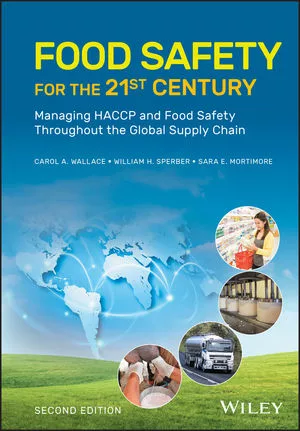
    Food Safety for the 21st Century: Managing HACCP and Food Safety Throughout the Global Supply Chain, 2nd Edition

  • food book.jpg

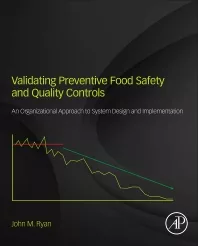
    Validating Preventive Food Safety and Quality Controls 1st Edition

  • small-occ.jpg

    Occupational Health and Safety in the Food and Beverage Industry

See More Products

Events

View AllSubmit An Event
  • July 13, 2016

    FSNS ANNOUNCES FOOD SAFETY CONFERENCE AND LAB GRAND OPENING JULY 13; Event Features Food Safety Topics, Lab Grand Opening and Temple Grandin Book Signing

    San Antonio, TX—June 6, 2016—Food Safety Net Services (FSNS) and Food Safety Net Services Certification and Audit (FSNS C&A) today announced the FSNS Food Safety Conference in Amarillo, Texas on Wednesday, July 13. A tour and reception of the FSNS Amarillo Laboratory will follow after the conference along with a book signing by Dr. Temple Grandin.
View AllSubmit An Event

Related Directories

  • Aptar - Food Protection

    Aptar - Food Protection is part of AptarGroup, Inc., that provides food protection solutions, applying active packaging science and equipment and processing expertise to develop advanced systems that help extend freshness and enhance safety for fresh-cut produce, seafood, and more. The company offers custom active packaging solutions that protect against foodborne pathogens, reduce food waste, and deliver improved consumer experiences. In addition to their active packaging solutions, the company’s portfolio includes a range of packing trays, pouches, retail and mini containers, slicing equipment, lidding film, and tray-sealing technology.
  • Foth | Food Plant Engineering LLC

    We are designers and builders of sustainable food production facilities. Using imagination, innovation, and ingenuity, we help food manufacturing companies improve food safety, gain productivity, and grow capacity.
  • Unicold Corporation, Container Services Div. - Vernon, CA

×

Elevate your expertise in refrigerated and frozen foods with unparalleled insights and connections.

Get the latest industry updates tailored your way.

JOIN TODAY!
  • RESOURCES
    • Advertise
    • Contact Us
    • Directories
    • Store
    • Want More
  • SIGN UP TODAY
    • Create Account
    • eMagazine
    • Newsletter
    • Customer Service
    • Manage Preferences
  • SERVICES
    • Marketing Service
    • Reprints
    • Market Research
    • List Rental
    • Survey/Respondent Access
  • STAY CONNECTED
    • LinkedIn
    • Facebook
    • YouTube
    • X (Twitter)
  • PRIVACY
    • PRIVACY POLICY
    • TERMS & CONDITIONS
    • DO NOT SELL MY PERSONAL INFORMATION
    • PRIVACY REQUEST
    • ACCESSIBLITY

Copyright ©2026. All Rights Reserved BNP Media, Inc. and BNP Media II, LLC.

Design, CMS, Hosting & Web Development :: ePublishing