Refrigerated Frozen Foods logo
search
cart
facebook twitter linkedin youtube
  • Sign In
  • Create Account
  • Sign Out
  • My Account
Refrigerated Frozen Foods logo
  • NEWS
  • PRODUCTS
  • COLD STORAGE
    • Cold Storage Trends
    • Farm to Frozen
    • Supply Chain & Logistics
  • PACKAGING
  • TOPICS
    • Food Safety
    • Product Development & Manufacturing
    • Sustainable Solutions for Cold Foods
  • MEDIA HUB
    • Play Our Word Game
    • Podcasts
    • Videos
    • Polls
    • Webinars
  • DIRECTORIES
    • Cold Storage Construction Guide
    • Warehouse Guide
    • Food Master
  • MORE
    • Cold Chain Perspectives
    • Case Studies
    • C-Suite Q&A
    • Top 150 Processors
    • Awards >
      • Best New Retail Products
      • Cold Storage Facility of the Year
      • Processor of the Year
    • Directory of Associations
    • R&FF Store
    • Calendar of Events
    • FA&M Conference & Expo
  • EMAG
    • eMagazine
    • Archive Issues
    • Contact
    • Advertise
  • SIGN UP!
Cold Foods Industry NewsFood SafetySustainable Solutions for Cold Foods

U.S. food insecurity declined in 2015

Some American households experience food insecurity at times during the year.

September 22, 2016

Most U.S. households have consistent, dependable access to enough food for active, healthy living—they are food secure. But, some American households experience food insecurity at times during the year, meaning their access to adequate food is limited by a lack of money and other resources. USDA’s food and nutrition assistance programs increase food security by providing low-income households access to food, a healthful diet and nutrition education. USDA monitors the extent and severity of food insecurity in U.S. households through an annual, nationally representative survey sponsored and analyzed by USDA’s Economic Research Service (ERS). This report, “Household Food Security in the United States in 2015,” presents statistics from the survey covering households’ food security, food expenditures and use of federal food and nutrition assistance programs in 2015.

What did the study find?

The estimated percentage of U.S. households that were food insecure in 2015 declined significantly from 2014 to 12.7%, continuing a downward trend in food insecurity from a high of 14.9% in 2011. The 2015 prevalence of food insecurity was still above the 2007 pre-recessionary level of 11.1%. In 2015, the percentage of households with food insecurity in the severe range—very low food security—also declined significantly.

• In 2015, 87.3% of U.S. households were food secure throughout the year. The remaining 12.7% (15.8 million households) were food insecure. Food insecure households (those with low and very low food security) had difficulty at some time during the year providing enough food for all their members due to a lack of resources. The decline from 2014 (14%) was statistically significant.

• In 2015, 5% of U.S. households (6.3 million households) experienced very low food security, down from 5.6% in 2014. In this more severe range of food insecurity, the food intake of some household members was reduced and normal eating patterns were disrupted at times during the year due to limited resources. This decline was also statistically significant.

• Children were food insecure at times during the year in 7.8% of U.S. households with children (3 million households), down significantly from 9.4% in 2014. These households were unable at times during the year to provide adequate, nutritious food for their children.

• While children are usually shielded from the disrupted eating patterns and reduced food intake that characterize very low food security, both children and adults experienced instances of very low food security in 0.7% of households with children (274,000 households) in 2015. The decline from 2014 (1.1%) was statistically significant.

• For households with incomes near or below the federal poverty line, households with children headed by single women or single men, women and men living alone and black- and Hispanic-headed households, the rates of food insecurity were substantially higher than the national average.

• The prevalence of food insecurity varied considerably from state to state. Estimated prevalence of food insecurity in 2013-15 ranged from 8.5% in North Dakota to 20.8% in Mississippi. (Data for 3 years were combined to provide more reliable state-level statistics.)

• The typical (median) food secure household spent 27% more for food than the typical food insecure household of the same size and composition, including food purchased with Supplemental Nutrition Assistance Program (SNAP) benefits.

• About 59% of food insecure households in the survey reported that in the previous month, they had participated in one or more of the three largest federal nutrition assistance programs (SNAP; Special Supplemental Nutrition Program for Women, Infants, and Children (WIC); and National School Lunch Program).

How was the study conducted?

Data for the ERS food security reports come from an annual survey conducted by the U.S. Census Bureau as a supplement to the monthly Current Population Survey. ERS sponsors the annual survey and compiles and analyzes the responses. The 2015 food security survey covered 39,948 households comprising a representative sample of the U.S. civilian population of 125 million households. The food security survey asked one adult respondent per household questions about experiences and behaviors that indicate food insecurity, such as being unable to afford balanced meals, cutting the size of meals because of too little money for food or being hungry because of too little money for food. The food security status of the household was assigned based on the number of food insecure conditions reported.


KEYWORDS: food security food waste waste reduction

Share This Story

Looking for a reprint of this article?
From high-res PDFs to custom plaques, order your copy today!
Recommended Content

JOIN TODAY
To unlock your recommendations.

Already have an account? Sign In

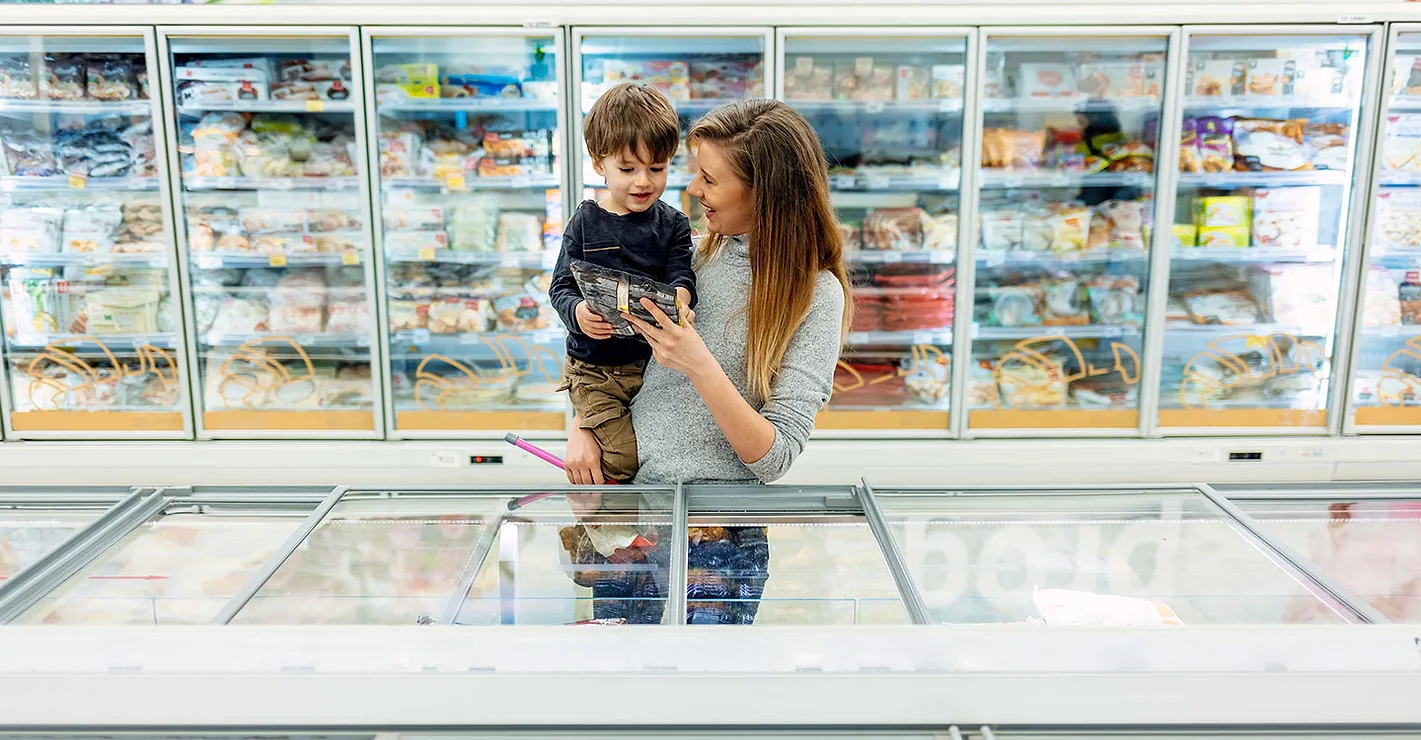
  • Best New Retail Products of 2026 badge with grocery store refrigerators in the background.

    Top of the Freezer: R&FF’s Best New Retail Products

    From BFY proteins to globally inspired treats, these...
    New Retail Products
    By: Kelley Rodriguez
  • Pasco Exterior

    Reser’s Fine Foods: From Farmhouse Kitchen to ‘Good Times’ Everywhere

    A home-based potato salad company started 75 years ago...
    Product Development & Manufacturing
    By: Kelley Rodriguez
  • FromtheColdCorner-Anchor_1170x658.jpg

    EPR, Plastic Packaging for Cold Foods & More

    As consumer and regulatory pressure put plastic in the...
    Sustainable Solutions for Cold Foods
    By: Kelley Rodriguez
Manage My Account
  • eMagazine
  • What’s Hot in Cold Newsletter
  • Manage My Preferences
  • Online Registration
  • Customer Service

More Videos

Popular Stories

From the Cold Corner with Americold's Rob Chambers feature image

How Cold Chain Strategy Is Replacing Capacity

1170x658 of Cold Storage Podcast with Jennifer Jewers Bowlin and Craig Handy

ASRS, AI & Adaptability: What's Shaping the Future of Cold Storage

Close-up image of various frozen berries.

AFFI Pushes Supply Chain Transparency to Tackle Frozen Berry Risk

2026 Processor of the Year


Does your facility lead the industry? Nominate your cold storage facility today!

Events

June 17, 2025

Refrigerated & Frozen Foods’ State of the Cold Chain

On Demand Kelley Rodriguez, Editor in Chief of Refrigerated & Frozen Foods, will be joined in this 60-minute webinar by industry experts to help unpack the latest research.

January 1, 2030

Webinar Sponsorship Information

For webinar sponsorship information, visit www.bnpevents.com/webinars or email webinars@bnpmedia.com.

View All Submit An Event

Products

Water Activity in Foods: Fundamentals and Applications, 2nd Edition

Water Activity in Foods: Fundamentals and Applications, 2nd Edition

See More Products
New Retail Products

Explore the newest flavors, textures, and innovations in the frozen food aisle!


SEE WHAT'S NEW!
Play Refrigerated & Frozen Foods’ Cool Word of the Week! There's a new word every Wednesday.

Related Articles

  • default fruit bowl

    Study: 9 in 10 Canadians see no progress in food insecurity

    See More
  • sustainability farm

    Study: Global food insecurity projected to improve by 2029 due to lower food prices, rising incomes

    See More
  • Study: Packaged food market in India reached $51M in 2015

    See More

Related Products

See More Products
  • Operations in Food Refrigeration

  • small-occ.jpg

    Occupational Health and Safety in the Food and Beverage Industry

  • foodpreservation.jpg

    Food Preservation and Biodeterioration, 2nd Edition

See More Products

Related Directories

  • BITZER U.S. Inc.

×

Elevate your expertise in refrigerated and frozen foods with unparalleled insights and connections.

Get the latest industry updates tailored your way.

JOIN TODAY!
  • RESOURCES
    • Advertise
    • Contact Us
    • Directories
    • Store
    • Want More
  • SIGN UP TODAY
    • Create Account
    • eMagazine
    • Newsletter
    • Customer Service
    • Manage Preferences
  • SERVICES
    • Marketing Service
    • Reprints
    • Market Research
    • List Rental
    • Survey/Respondent Access
  • STAY CONNECTED
    • LinkedIn
    • Facebook
    • YouTube
    • X (Twitter)
  • PRIVACY
    • PRIVACY POLICY
    • TERMS & CONDITIONS
    • DO NOT SELL MY PERSONAL INFORMATION
    • PRIVACY REQUEST
    • ACCESSIBLITY

Copyright ©2026. All Rights Reserved BNP Media, Inc. and BNP Media II, LLC.

Design, CMS, Hosting & Web Development :: ePublishing