Refrigerated Frozen Foods logo
search
cart
facebook twitter linkedin youtube
  • Sign In
  • Create Account
  • Sign Out
  • My Account
Refrigerated Frozen Foods logo
  • NEWS
  • PRODUCTS
  • COLD STORAGE
    • Cold Storage Trends
    • Farm to Frozen
    • Supply Chain & Logistics
  • PACKAGING
  • TOPICS
    • Food Safety
    • Product Development & Manufacturing
    • Sustainable Solutions for Cold Foods
  • MEDIA HUB
    • Play Our Word Game
    • Podcasts
    • Videos
    • Polls
    • Webinars
  • DIRECTORIES
    • Cold Storage Construction Guide
    • Warehouse Guide
    • Food Master
  • MORE
    • Cold Chain Perspectives
    • Case Studies
    • C-Suite Q&A
    • Top 150 Processors
    • Awards >
      • Best New Retail Products
      • Cold Storage Facility of the Year
      • Processor of the Year
    • Directory of Associations
    • R&FF Store
    • Calendar of Events
    • FA&M Conference & Expo
  • EMAG
    • eMagazine
    • Archive Issues
    • Contact
    • Advertise
  • SIGN UP!
Cold Foods PackagingCold Chain Perspectives

How flexible packaging meets consumer demands

By adopting flexible packaging, today’s brand owners have a unique opportunity to customize packaging features, utilize advanced technologies and promote sustainability.

By Alison Keane
Flexible Packaging Association Alison Keane
November 16, 2018

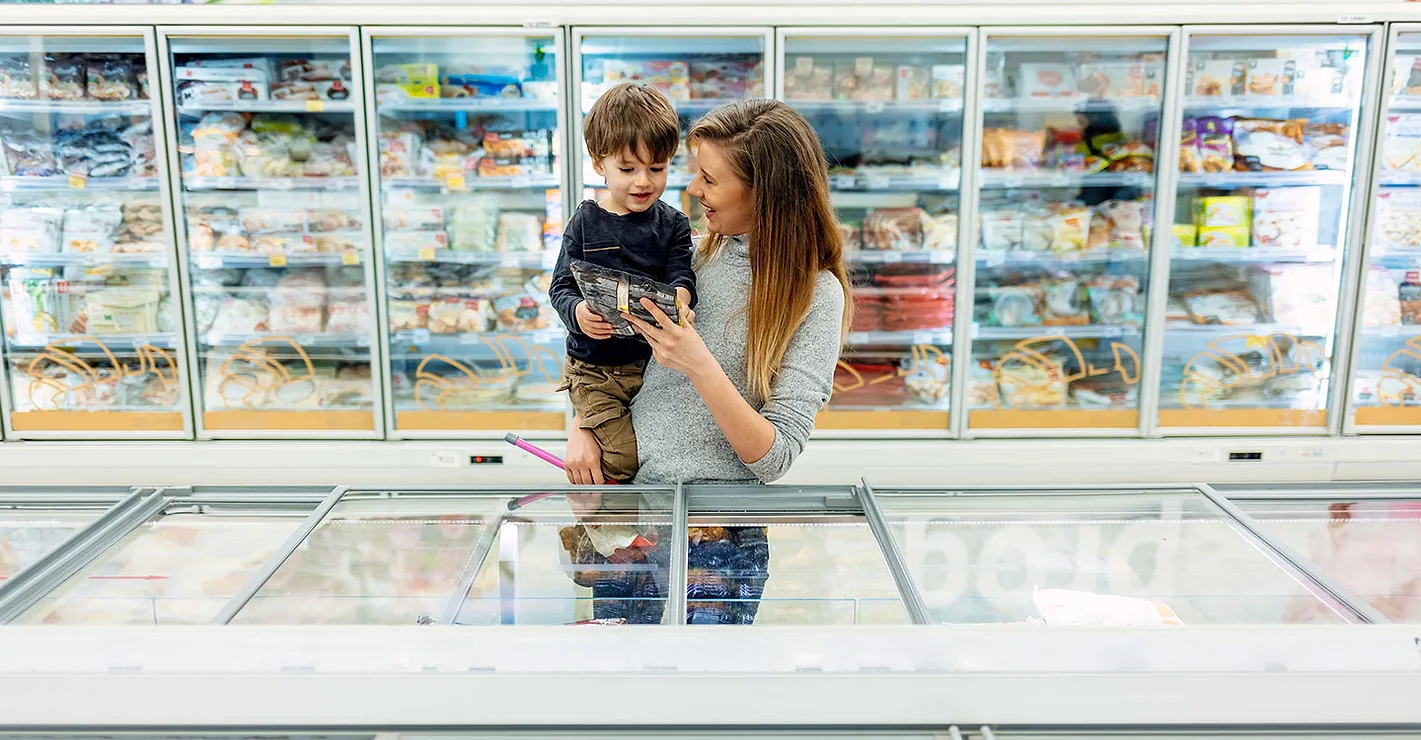
The cold food industry is constantly evolving to address consumer demands and emerging trends. While the food products themselves may not overtly change, advancements in packaging are often implemented to enhance consumer experience, align with industry trends and change perceptions of the products inside. By adopting flexible packaging, today’s brand owners have a unique opportunity to customize packaging features, utilize advanced technologies and promote sustainability, all while enhancing the marketability of their products and aligning with consumer trends.

Consumer trends and drivers

Consumer trends can directly or indirectly influence product and package design. For instance, shopping habits directly impact the types of products that perform well at the retail level. On the other hand, societal trends such as fast-paced lifestyles can indirectly affect how products are designed and packaged to appeal to those who encounter these trends on a regular basis. The following are a few examples of consumer lifestyle trends that drive packaging and product design.

Time-stressed. In a fast-paced society, consumers are increasingly time-stressed and in search of simplicity. To appeal to these consumers, brands seek solutions that produce simple products and make consumers’ lives easier. Products with added convenience features effectively meet these demands. For instance, packaged foods that are easy to use, portable and have recloseable features, like a zipper, experience a favorable amount of sales.

Experience seekers. Consumers no longer go to the store to simply purchase products. Instead, they seek out an experience. Value-added packaging can enhance consumers’ experiences and influence buying decisions. For instance, select frozen foods have microwaveability features that allow the food to cook right in the original packaging. This added value provides a unique, convenient experience and reduces the need to use and wash additional serving pieces.

Health-aware. Another trend that affects the food industry is health awareness among consumers. Consumers purposefully seek out products on the retailer shelves that have clean labels and natural ingredients, and packaging can be a useful tool to help brands adapt to this trend. For instance, flexible packaging takes on a variety of formats that include single-serve options, which enables portion control and encourages healthy-eating habits.

Health-conscious consumers also tend to incorporate fresh produce into their diets. Flexible packaging technologies can extend shelf life to keep these products fresher longer for prolonged use in a healthy diet. Shelf-life extension at the individual and retail levels through technologies such as modified atmosphere packaging, active packaging and freshness indicators also has a positive impact on reduction of global food waste.

The importance of sustainability

Consumers also have taken on an active, socially responsible role in society. Many consumers limit purchases from companies that do not operate sustainably and look for brands that offer products with minimal environmental impact. This trend continues to grow because of extensive media coverage, and causes packaging to be at the center of a sustainability debate. Packaging waste and end-of-life outcomes are significant concerns for consumers when they consider a purchase decision.

While they tend to focus on recyclability, consumers may not be aware of the holistic sustainability attributes of flexible packaging. Even with relatively low recyclability rates, the holistic impact of flexible packaging on the environment is favorable when compared with most other packaging types. For instance, when food is packaged in a pouch as opposed to rigid packaging, it results in lower fossil fuel usage, GHG emissions, water usage and the amount of package landfilled because of the high product-to-package ratio. Brands can communicate these holistic sustainability attributes to differentiate their products on the shelf and appeal to environmentally friendly consumers.

Brands can also support programs and initiatives that address industry challenges to show consumers their efforts to become more sustainable. Industry collaborations like the Materials Recovery for the Future commit to enhance infrastructure and address end-of-life challenges through advanced auto-sortation and collection processes. Collaborative efforts can improve recovery rates and encourage flexible packaging use in manufacturing without provoking consumer concerns about disposal methods. Support for consumer education programs is also vital, as infrastructure can only be effective with proper participation.

Influential Millennial attitudes and behaviors

Millennials have grown up with flexible packaging. As a result, this generation has fully embraced the format for a variety of products they purchase. For instance, Millennials are inclined to buy bags of frozen vegetables that offer convenience and add value to their experience with the ability to cook food in the package itself. Similar products fit this generation’s convenience requirements as well as portion control objectives and accommodating an “on-the-go” lifestyle.

Flexible packaging market

Flexible packaging adds great value to products in the food industry. In fact, the food market makes up nearly half of U.S. flexible packaging sales at $14.9 billion, according to “A Holistic View of the Role of Flexible Packaging in a Sustainable World” report, produced by the Flexible Packaging Association (FPA), Annapolis, Md.

Additionally, in FPA’s “Flexible Packaging Transition Advantages Study,” 71% of Americans said they would prefer flexible packaging over non-flexible packaging. In fact, 46% of Americans are willing to pay more for food products stored in flexible packaging than they would for food products stored in non-flexible packaging. This suggests an opportunity for the flexible packaging and cold food industries to intersect moving forward.

All the above factors should be considered by brand owners when deciding how to present products to consumers. Packaging solutions tailored to consumers’ preferences and sustainability outlooks will affect sales, brand perception and brand value. When brands listen to consumers’ desires and respond actively with packaging solutions, it signals that they can adapt to the needs of their audience while fostering a mutually beneficial relationship.

KEYWORDS: flexible packaging Flexible Packaging Association packaging trends

Share This Story

Looking for a reprint of this article?
From high-res PDFs to custom plaques, order your copy today!

Alison Keane is president and CEO of the Flexible Packaging Association, Annapolis, Md.

Recommended Content

JOIN TODAY
To unlock your recommendations.

Already have an account? Sign In

  • Best New Retail Products of 2026 badge with grocery store refrigerators in the background.

    Top of the Freezer: R&FF’s Best New Retail Products

    From BFY proteins to globally inspired treats, these...
    Cold Foods Industry News
    By: Kelley Rodriguez
  • Pasco Exterior

    Reser’s Fine Foods: From Farmhouse Kitchen to ‘Good Times’ Everywhere

    A home-based potato salad company started 75 years ago...
    Cold Foods Industry News
    By: Kelley Rodriguez
  • FromtheColdCorner-Anchor_1170x658.jpg

    EPR, Plastic Packaging for Cold Foods & More

    As consumer and regulatory pressure put plastic in the...
    Sustainable Solutions for Cold Foods
    By: Kelley Rodriguez
Manage My Account
  • eMagazine
  • What’s Hot in Cold Newsletter
  • Manage My Preferences
  • Online Registration
  • Customer Service

More Videos

Popular Stories

From the Cold Corner with Americold's Rob Chambers feature image

How Cold Chain Strategy Is Replacing Capacity

Best New Retail Products of 2026 badge with grocery store refrigerators in the background.

Top of the Freezer: R&FF’s Best New Retail Products

1170x658 of Cold Storage Podcast with Jennifer Jewers Bowlin and Craig Handy

ASRS, AI & Adaptability: What's Shaping the Future of Cold Storage

2026 Processor of the Year


Does your facility lead the industry? Nominate your cold storage facility today!

Events

June 17, 2025

Refrigerated & Frozen Foods’ State of the Cold Chain

On Demand Kelley Rodriguez, Editor in Chief of Refrigerated & Frozen Foods, will be joined in this 60-minute webinar by industry experts to help unpack the latest research.

January 1, 2030

Webinar Sponsorship Information

For webinar sponsorship information, visit www.bnpevents.com/webinars or email webinars@bnpmedia.com.

View All Submit An Event

Products

Water Activity in Foods: Fundamentals and Applications, 2nd Edition

Water Activity in Foods: Fundamentals and Applications, 2nd Edition

See More Products
New Retail Products

Explore the newest flavors, textures, and innovations in the frozen food aisle!


SEE WHAT'S NEW!
Play Refrigerated & Frozen Foods’ Cool Word of the Week! There's a new word every Wednesday.

Related Articles

  • Angela Fernandez

    Track and trace—Aligning with shifting consumer demands

    See More
  • Refrigerated Foods Association

    Guiding refrigerated foods industry through consumer, regulatory demands

    See More
  • Laubscher Cheese scale

    How flexible weighing, labeling helps Laubscher Cheese keep up with customer demands

    See More

Related Directories

  • PMMI - The Assn. for Packaging and Processing Technologies

    About PMMI PMMI is a global resource for the packaging and processing industry, uniting the industry across the manufacturing supply chain. Our members promote business growth in a variety of industries by developing innovative manufacturing solutions to meet evolving consumer demands, today and in the future. PMMI membership represents more than 1,000 manufacturers and suppliers of equipment, components and materials as well as providers of related equipment and services to the packaging and processing industry. PMMI Business Drivers provide the industry a variety of resources such as market research, best-practice tools and reports, technical training, networking opportunities and more. PMMI connects consumer goods companies with our members’ manufacturing solutions through the world-class PACK EXPO portfolio of trade shows, including: PACK EXPO International, PACK EXPO Las Vegas, PACK EXPO East, PACK EXPO Southeast, EXPO PACK México, and EXPO PACK Guadalajara. PMMI Media Group connects manufacturers to the latest solutions, trends and innovations in packaging and processing year-round through a variety of print and digital media including: Packaging World, Healthcare Packaging, Contract Packaging, ProFood World, Mundo EXPO PACK and OEM.
  • Aptar - Food Protection

    Aptar - Food Protection is part of AptarGroup, Inc., that provides food protection solutions, applying active packaging science and equipment and processing expertise to develop advanced systems that help extend freshness and enhance safety for fresh-cut produce, seafood, and more. The company offers custom active packaging solutions that protect against foodborne pathogens, reduce food waste, and deliver improved consumer experiences. In addition to their active packaging solutions, the company’s portfolio includes a range of packing trays, pouches, retail and mini containers, slicing equipment, lidding film, and tray-sealing technology.
  • Atlanta Bonded Warehouse Corporation

    Atlanta Bonded Warehouse (ABW) focuses on three primary services: dedicated and public warehousing; temperature-controlled and ambient transportation; and co-packaging / repackaging services. In continuous operation since 1948, ABW operates 16 facilities representing 7.4 million sq. ft. in 6 different states and four regions of the US: Southeast, Atlantic Coast, Southwest, and Midwest. Markets served include food and food-grade products from confectionery, snacks, beverages, and packaging to consumer products to pharma and pharma-related products to pet care.
×

Elevate your expertise in refrigerated and frozen foods with unparalleled insights and connections.

Get the latest industry updates tailored your way.

JOIN TODAY!
  • RESOURCES
    • Advertise
    • Contact Us
    • Directories
    • Store
    • Want More
  • SIGN UP TODAY
    • Create Account
    • eMagazine
    • Newsletter
    • Customer Service
    • Manage Preferences
  • SERVICES
    • Marketing Service
    • Reprints
    • Market Research
    • List Rental
    • Survey/Respondent Access
  • STAY CONNECTED
    • LinkedIn
    • Facebook
    • YouTube
    • X (Twitter)
  • PRIVACY
    • PRIVACY POLICY
    • TERMS & CONDITIONS
    • DO NOT SELL MY PERSONAL INFORMATION
    • PRIVACY REQUEST
    • ACCESSIBLITY

Copyright ©2026. All Rights Reserved BNP Media, Inc. and BNP Media II, LLC.

Design, CMS, Hosting & Web Development :: ePublishing