COLD Chain Ops
Shoring Up the Seafood Supply Chain
Cold chain shipping challenges and considerations for keeping seafood frozen and fresh
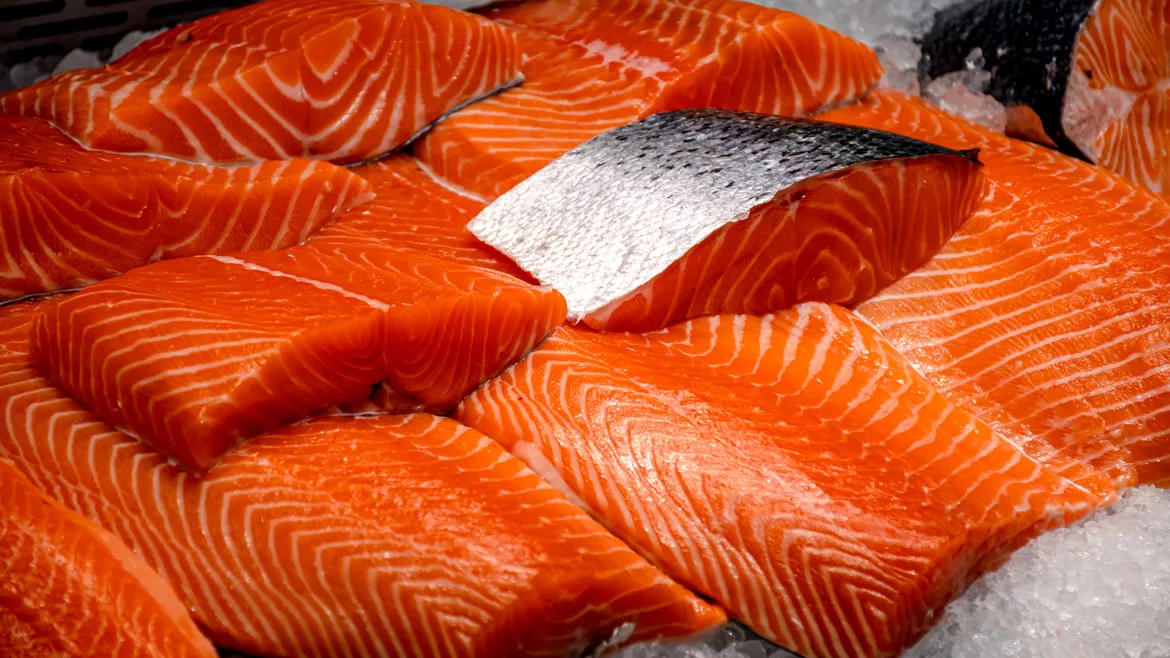
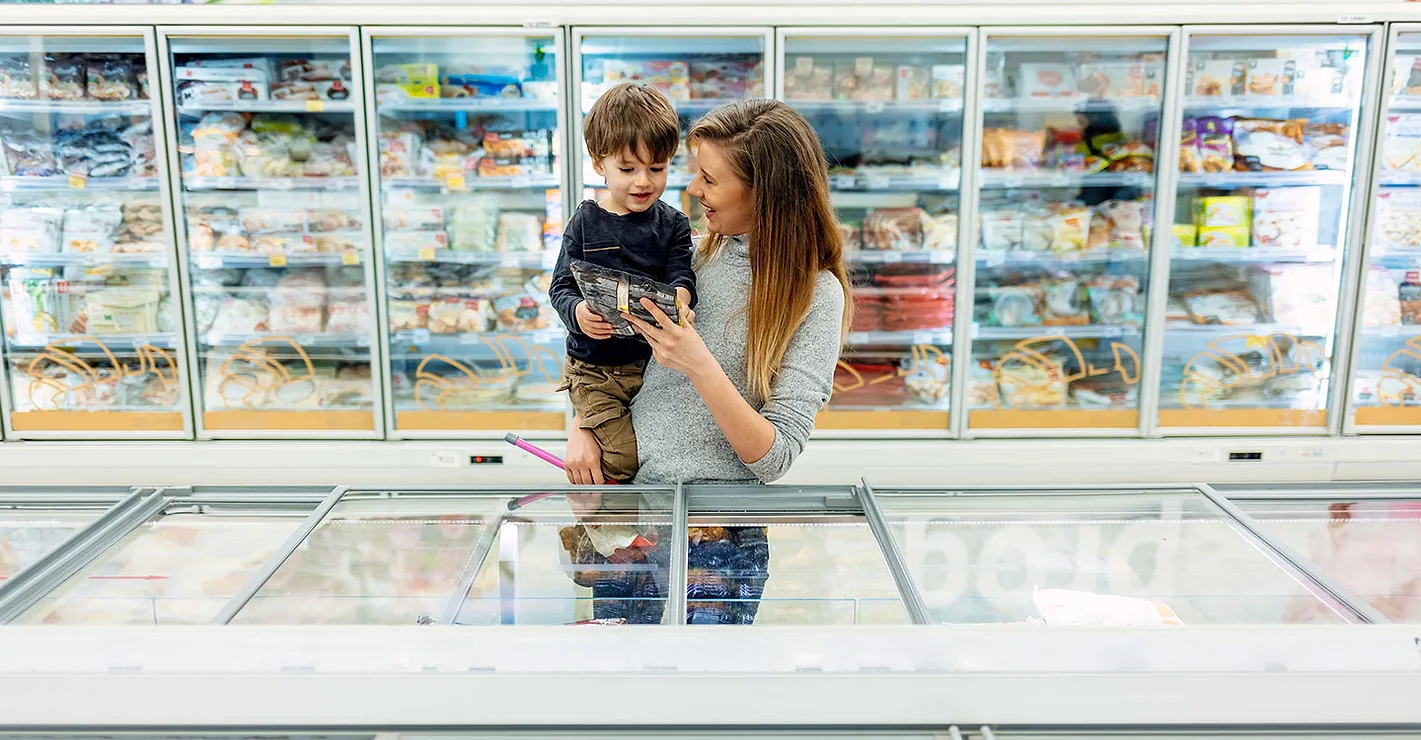
Image courtesy of Getty Images
Like many industries dependent on the global supply chain, the seafood market is currently rebounding from years of pandemic-driven disruptions. Fortunately, for suppliers, the demand for fresh seafood is ever-present and industry experts are forecasting a 6.7% growth rate over the next several years. As the supply chain continues to show signs of stabilizing, maintaining cold chain quality is more important than ever.
The Asia-Pacific region is the largest exporter within the global seafood market, serving as a major source of fresh seafood to the rest of the world. Even though the U.S. is flanked by major oceans on its eastern and western shores, it still imports 70–85% of its seafood and is ranked 18th in global aquaculture production.
When you consider that a typical shipping container of frozen seafood can be valued over $100,000, the stakes are high for every link in the supply chain, including suppliers (fisheries), freight shipping lines (carriers), distributors (privately branded companies) and ultimately, consumers. The journey from Asia-Pacific to the U.S. can last weeks to months and undergo multiple changes of custody (i.e., transshipments) before reaching their destinations.
Recent supply chain issues have only extended these lead times — from typical 30- to 45-day windows to as high as 90 days — which exacerbated risks to perishable quality and drove up shipping costs. Port backlogs bogged down receiving, introduced space constraints on carriers, and increased the potential for temperature excursions, tampering and theft. Even though shipping costs and lead times are now stabilizing, they are still not back to pre-pandemic levels.
For stakeholders’ quality control (QC) teams, maintaining perishable quality and security are essential for protecting profits, minimizing risks, and offsetting supply chain cost increases.
Fresh Equals Frozen
The formula for seafood freshness is simple: fresh catch must be frozen quickly and kept frozen, regardless of shipping conditions and durations. Ideally, frozen containers should maintain temperatures within 5 degrees F of their setpoints, which leaves little room for error. And, above all else, thawing and refreezing are not allowed, as these temperature excursions could result in quality and safety issues.
Inspection crews at distribution warehouses are trained to look for the telltale signs of potential temperature abuse:
- Shipping container damage.
- Wet, soggy boxes of perishables.
- Formation of ice crystals in the boxes
Because any of the above signs could point to potential loss of product integrity, stakeholders must begin the process of determining who is responsible for the rejected shipments. But, without the proper cold chain monitoring infrastructure, it can take days, weeks or months to identity the responsible party.

Live Tracking Data Provides Advanced Notice of Temperature Abuse
The use of temperature logging capabilities is not new to the ocean freight and/or seafood shipping industries. In fact, it has long been considered a best practice for carriers to deploy logging devices on each shipping container, to keep historical records of conditions. But, the limitations of this logger-only approach can impair seafood suppliers’ and distributors’ QC processes.
It’s important to realize that, by their very nature, loggers are a reactive quality measure. That is, they only provide a record of temperature abuse after it has occurred. So when an expensive shipping container of frozen lobster arrives at a distribution center (DC) on the west coast with signs of thawing and refreezing, QC teams must wait for receipt of the container at the port, locate the logger, download its data, and begin the evaluation process. And, if the carrier has possession of the device or the data log, then other stakeholders are at their mercy to gain access to this information.
Obviously, at this point, it may be too late to save that shipment of lobster.
Thankfully, today’s QC teams have access to robust cold chain toolsets and technologies that can help them to remove these blind spots and adopt more proactive quality measures. The most optimal solution provides a combination of real-time monitoring and historic data logging capabilities. This best-of-both-worlds approach enables QC teams to receive live notifications of location proximity, temperature excursions or security breaches — and have quick access to data logs.
Consider the aforementioned scenario using the more optimal dual-tracking and logging approach. Using real-time 4G/5G trackers — equipped with temperature and light sensors — stakeholders would get real-time notifications throughout the journey whenever the shipment was within a cellular network range. This means that, whenever the carrier passed by a mainland — or changed carriers at a major port — stakeholders would gain instant visibility to that shipment’s location and get notifications if any temperature excursions had occurred.

What’s more, once the shipment arrived off the coast of its DC or receiving port, stakeholders could download the data log before it docked at the port. This would give them time to triangulate any alerts with data logs to build an accurate estimate of the perishable seafood quality before the inspection process.
By using trackers with light sensors, stakeholders also can be notified of unauthorized access, which is especially important at busy ports where carriers can be held indefinitely for unloading and the sheer amount of shipping containers can increase the potential for theft. When used in combination with Oversight cargo software and services, these trackers can enable stakeholders to also monitor the progress of in-transit shipments and estimate their arrival times.
Develop a List of Preferred Carriers
When live and historic tracking data streams are continuously aggregated in a robust data analytics software platform, stakeholders can access deeper insights that inform other aspects of their QC operations. Of course, quick access to historic trip records is invaluable in settling shipping disputes and providing the objective data needed for insurance claims.
Perhaps most importantly, by benchmarking carrier performance and flagging those who have demonstrated repeated quality issues, QC teams can develop and maintain a fact-based preferred carrier list.
Another common barrier many companies face trying to ensure perishable seafood quality is simply a lack of time and/or resources needed to implement effective supply chain QC programs. Teams are dedicated to assisting with these initiatives and shoring up the gaps in companies’ capabilities, developing customized, proactive tracking programs and working with QC teams to identify issues and accelerate resolutions.
Considering the sheer value of a typical seafood shipping container and the persistent challenges facing the perishable supply chain, stakeholders can benefit greatly from implementing these foundational strategies.
Looking for a reprint of this article?
From high-res PDFs to custom plaques, order your copy today!