Reframing Cost Savings: When Increasing Transportation Spend is the Right Move
How Reser's Fine Foods realized $1.25 million in savings on inbound raw materials through evaluating total landed costs.
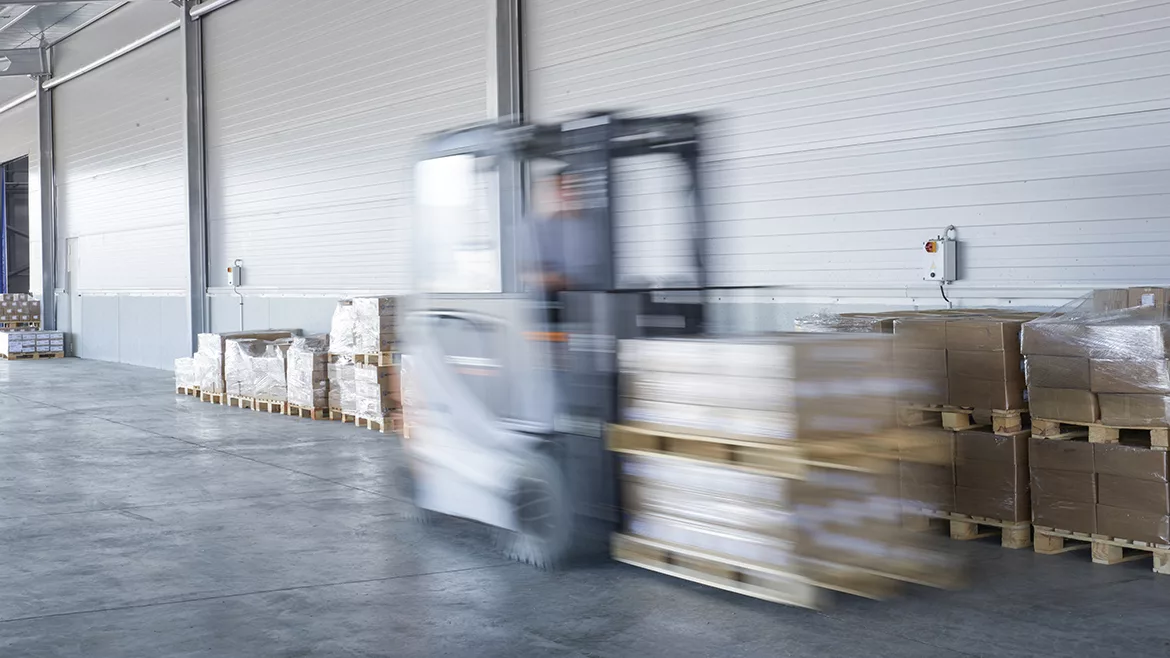
By opting to manage inbound freight directly, Reser’s increased upfront transportation spending ultimately resulted in reduced ingredient costs and a net savings of $600,000. Courtesy stockvisual/E+/Getty Images.
Oregon-based Reser’s Fine Foods, Inc., the largest family-owned, prepared foods businesses in the U.S., underwent a strategic shift in transportation management leading to $1.25 million in reduced costs for inbound raw materials.
The company's humble beginnings in 1950, with an original potato salad recipe, led to a diversified product portfolio that today includes a variety of side dishes, including macaroni & cheese, scalloped and mashed potatoes, dips, deli salads and tortillas, sold in over 27,000 outlets across the U.S. and Canada.
Cold chain manufacturers are always looking for ways to trim costs but there is only so much negotiating with suppliers and sometimes, you need to look beyond the obvious to find new opportunities.
Stephanie Bloom, director of corporate purchasing at Reser’s, leveraged NT Logistics, a Texas-based third-party logistics provider specializing in supply chain optimization and freight management.
Together, the 3PL and refrigerated foods processor took a fresh approach that turned traditional thinking upside down. Instead of focusing solely on supplier negotiations, Reser’s looked at the broader picture of total landed cost, including transportation, warehousing and other logistical factors.

Despite high transportation rates caused by pandemic disruptions, labor shortages and rising fuel costs in 2021, and 2022, Reser’s could achieve cost savings by taking control of their transportation. Key ingredient suppliers had been shipping to Reser’s manufacturing facilities using a delivered pricing model – meaning the supplier controlled the transportation costs. However, when transportation rates eased, these suppliers did not adjust their pricing accordingly.
“We knew there was an opportunity, but it wasn’t until we really looked under the hood with our logistics partner that we understood how much control we had been leaving on the table,” Bloom said. “Once we had clear visibility into freight costs, we were able to take strategic action and generate real savings—not just short-term, but sustainable long-term impact.”
With recent data showing that transportation costs are still adjusting, this case is especially relevant. The Cass Freight Index reports that as of February 2025, year-over-year freight expenditures have decreased by 4.6%, and 23.4% over the last two years.
By reevaluating the total landed cost and opting to manage inbound freight directly, Reser’s increased upfront transportation spending that ultimately resulted in reduced ingredient costs and a net savings of $600,000.

Although traditional delivered pricing models have long been the norm, changing market conditions now prompt a closer look at these established practices. Gaining visibility into actual freight costs allows manufacturers to take decisive action to reduce expenses while improving overall supply chain agility.
Not only does this case demonstrate how manufacturers can cut costs beyond supplier negotiations, it also highlights the value of working with a hands-on logistics partner.
“When companies are open to rethinking long-held assumptions about their supply chain, real transformation can happen,” said Lynn Gravley, president and CEO of NT Logistics. “Our job is to bring clarity to the cost drivers and help our partners uncover opportunities they may not have seen before. In Reser’s case, it was about taking a smart, strategic leap—and it paid off.”
Key takeaways from the collaboration include:
- Evaluate total landed cost: Consider all factors that influence the cost of goods, including transportation, warehousing and supplier markups, rather than isolating individual cost components.
- Question established pricing models: A “delivered pricing” model is not always the best value. When market conditions change, taking control of transportation can lead to substantial savings.
- Leverage market intelligence: Understanding market trends and cost fluctuations allows for more informed decision-making in logistics and procurement.
By applying these insights, cold foods processors and manufacturers can uncover hidden savings and drive greater efficiency within their own supply chains.
As supply chain dynamics continue to evolve, manufacturers that take a proactive, data- driven approach to freight strategy will be better positioned to compete. The Reser’s example illustrates that true cost savings are not always about spending less but about spending smarter, proving that the lowest upfront price does not always lead to the lowest total cost.
For companies operating in today’s margin-sensitive environment, this kind of strategic thinking is essential. When manufacturers take a closer look at long-standing freight arrangements, they often find hidden inefficiencies that have gone unchallenged. Taking ownership of transportation decisions—rather than leaving them bundled in supplier contracts— unlock meaningful cost savings, reduce reliance on supplier-controlled pricing and create a foundation for greater supply chain agility.
Sometimes the boldest move is to invest more—in both dollars and partnership—to gain greater control, transparency, and long-term value.
Looking for a reprint of this article?
From high-res PDFs to custom plaques, order your copy today!