June Dairy Month
Flexibility Key to Packaging Machinery for Dairy Processors
As single-serve options and convenience fuel dairy foods development, manufacturers and processors benefit from packaging machines that can pivot.
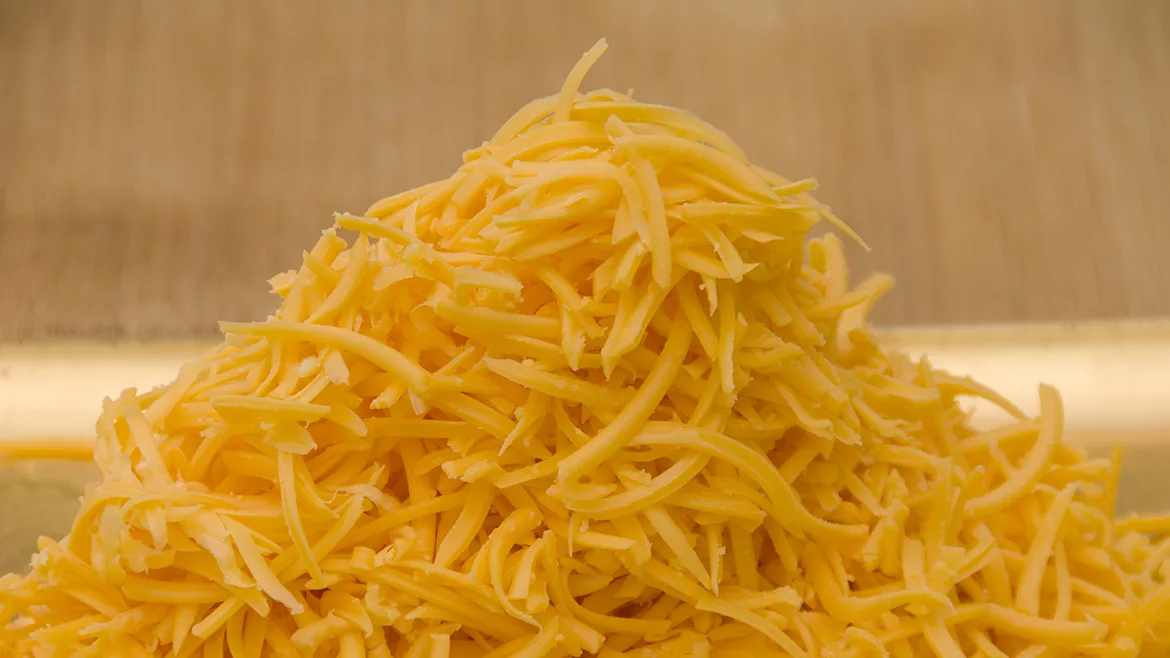
Founded in 1982, Tropical Cheese has become the category leader in Hispanic cheeses across the Eastern U.S., serving retail channels through an integrated network that includes direct-store delivery. Backed by Avance Investment Management and AUA Private Equity, the company is focused on expanding its reach, growing its portfolio and becoming a leading brand across the full spectrum of Hispanic refrigerated food products on the East Coast.
Courtesy
A popular trend in dairy foods is single-serve, on-the-go packaging. Individually wrapped or packaged options are perfect for people on the move and are a main driver behind OEMs incorporating a higher level of flexibility into packaging solutions.
As dairy manufacturers look to provide a breadth of size options, they are realizing the value of high-output vertical and horizontal form fill seal (FFS) packaging machinery, which can quickly pivot to run a greater number of SKUs. This level of flexibility is proving to be a vital ingredient for refrigerated food manufacturers meeting consumer buying preferences and satisfying a variety of packaging styles.
The global single serve packaging market was valued at $10 billion in 2024, and it is forecasted to reach nearly $20 billion over the next decade, according to Global Market Insights. The report cites rising demand for portion control and health-conscious consumption, coupled with expansion of the ready-to-eat and ready-to-drink markets.
The dairy industry is one area that has seen a substantial increase in single-serve products. Yogurt, cheese, and protein shakes are just a few options that have become ideal offerings as individually packaged products.
Cheese shreds is another popular dairy product that is forecast to grow, climbing to $6.5 billion by 2033, over a 25% increase from its current valuation.
With consumption of these types of dairy products on the rise, food manufacturers need to take steps to ensure they are positioned to capture their fair share of this market and that starts with their packaging machinery.
Flexibility has become a popular buzz word within the packaging industry. Flexibility in the context of machinery means the equipment is designed to run multiple packaging styles and film materials, with the ability to changeover in a matter of minutes, limiting downtime. The competitive landscape demanding more SKUs and packaging designs will require food processors and manufacturers to respond by implementing packaging machinery that is flexible enough to meet their future needs.
The key is to purchase equipment that is adaptable. Most machines built from reputable OEM suppliers are designed with functionality to package more than one product type or size.
Part of the due diligence in researching new packaging machinery is anticipating where the business is heading in five or 10 years. There are different options on each piece of equipment and more complex machinery offers more capabilities. While a processor/manufacturer may be looking for a machine that specializes primarily in single-serve packaging now, the equipment should be built to accommodate larger bags and pouches as well.
Cold foods manufacturers and dairy processors should be looking for the equipment that will satisfy those anticipated needs or equipment with the flexibility to add on later.
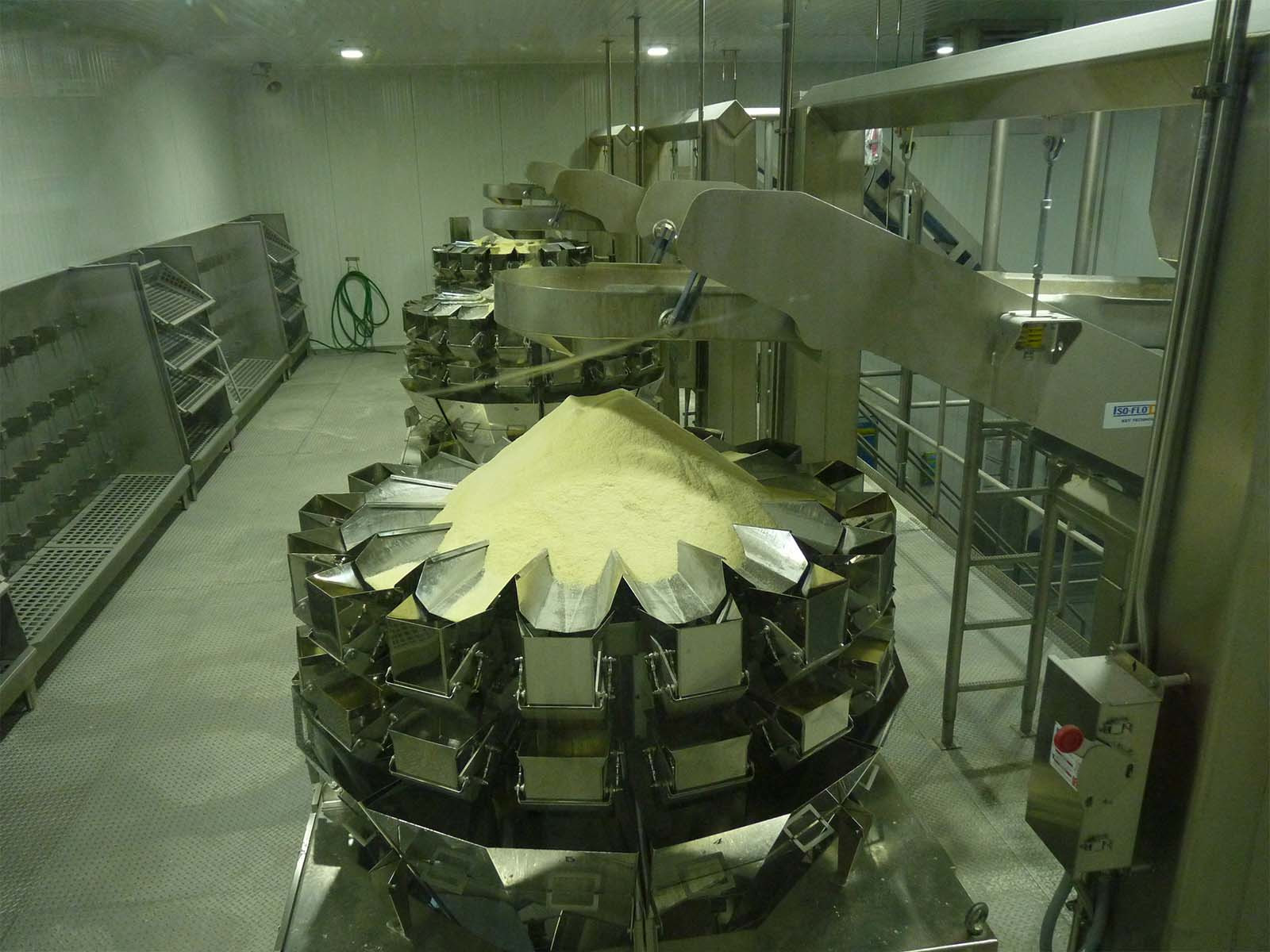
The two main styles of form fill seal machines are vertical or horizontal. Each bring their own strengths to dairy packaging, so it is important to select the proper style to best meet the needs of the application.
Vertical form fill seal machines create bags by pulling roll stock film around a forming tube. The process of sealing the film and filling the pouches occurs at very high rates – up to 200 per minute – and does so in a compact footprint. They can create a variety of package styles, including pillow, quad, gusset, flat bottom and more.
Horizontal form fill seal machines are typically used to manufacture and fill pouches. Because of the step-by-step manufacturing process, horizontal form fill seal can create standup pouches, as well as three-and four-sided pouches or special shapes. Horizontal FFS packaging comes with a variety of closure options, including zippers, spouts and other fitments. Typical fill rates are about 150 pouches per minute, but can run as high as 300 per minute depending on the application.
What Questions Should Dairy Manufacturers Ask?
Packaging dairy products like yogurt and shredded cheese requires a thorough understanding of the variables involved in the line. Ample access for sanitation and maintenance, fast running speeds and efficient changeovers are just some of the core requirements dairy manufacturers seek in their packaging equipment.
To achieve those standards, processors and manufacturers need to look at the whole picture and know what is happening to their product before it arrives at the packaging machine, as well as its destination after being packaged. Aside from setting a budget and timeline, here are some questions to consider when beginning the process of selecting a new packaging line:What is the available floor space for the packaging machine?
- What is the product being filled (packaged) and how will it be fed?
- What are the product flow characteristics?
- How often will the machinery need to be sanitized?
- What type(s) of film will be used?
- What is the speed of every piece of equipment behind and ahead of the bagger or poucher?
- What are the bag sizes and styles, and what kind of selling properties do you expect your packaging to have?
- Will a re-closable zipper option be required?
- What is the desired fill rate per minute and target product weight?
- How many changeovers or SKUs will be required?
Knowing this information up front will improve communication of the project with the OEM. Having answers to these questions in the initial stages is critical because each one influences the others; if one of the answers to a question is unknown, sometimes it dramatically changes the scope of the project.
Finally, it is important to not overlook the value of partnering with a reputable OEM to maximize the performance of new equipment. They bring a level of application expertise to evaluate the overall packaging operation, while also looking at product flow, both upstream and downstream, to identify areas for increased efficiency. From labeling and coding solutions, to films, through the bagging process to case forming, packing, palletizing and stretch wrapping, an expert OEM can help design a turnkey system to maximize packaging operations today and into the future.
Looking for a reprint of this article?
From high-res PDFs to custom plaques, order your copy today!