From the Cold Corner
Exploring Portable Cold Storage

From construction delays and emergency response to seasonal stock needs, companies are turning to temporary, flexible answers like portable cold containers.
SeaCube is one of the largest purchasers and lessors of refrigerated containers in the world and recently launched its Cold Solutions division, offering portable cold storage designed to meet the needs of processors, manufacturers and distributors in a scalable, energy-efficient manner.
“We're really just looking at what's the next horizon? We want to double again in the refrigerated space over the next six or seven years. But we also know that now is the time to start looking at diversification, because we are known now as the ‘reefer guys,’ at least from international standpoint,” said James Armstrong, senior vice president of emerging business at SeaCube. “We've got a very robust network of depots and partners that do transportation partners that that do the maintenance and repair on units … but also we're selling these containers off at the end of their life, say in 10 years, and we're realizing they're actually (customers) using these at the tail end of the supply chain.”
Exploring Portable Cold Storage
James Armstrong, senior vice president of emerging business at SeaCube, discusses how portable, scalable cold storage reefer containers are filing a critical operational need.
Listen to more From the Cold Corner podcasts.
With previous roles at Maesrk, Hub Group and Port Logistics Group, Armstrong has nearly 30 years of insight into the cold chain challenges faced by processors, manufacturers, distributors and retailers, and in this podcast discusses how portable, scalable cold storage reefer containers are filing a critical operational need.
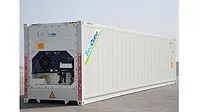
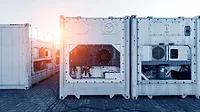
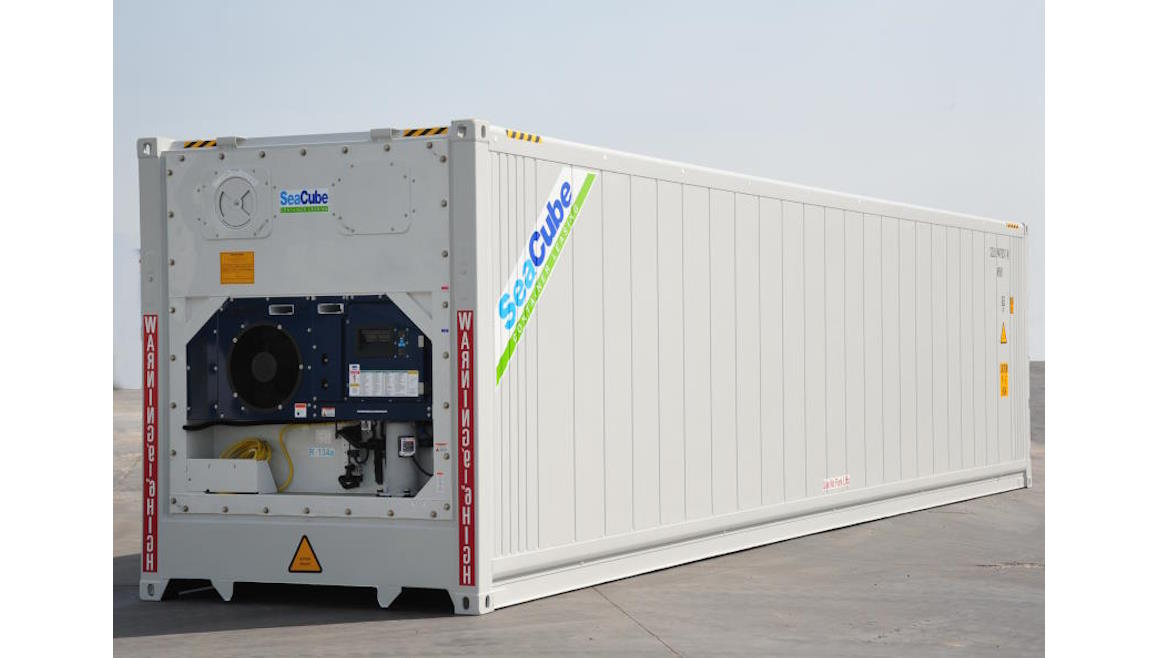
The heavy-duty cargo containers come in 20-foot or 40-foot lengths and are equipped with state-of-the-art telematic monitoring and tracking equipment. Manufacturers, distributors and processors likely have proper electrical requirements; but SeaCube can work with a local electrician to make sure infrastructure is in place.
“If you look at groceries, most of the groceries use them during the holidays. They'll have one to three units, depending on the store, and initially it was for turkeys. But it just keeps expanding. Now you go into a grocery, and there's an entire flower shop in the grocery (store) so they're starting to take share away from other retailers, and we're seeing our season actually extend out from just the traditional holiday season into Valentine's Day, into Mother's Day,” Armstrong said. “You just tell us what your forecast is, and we can work out a program, not a reaction, but an actual program that supports the business. Once you're supporting the customer, then you can look downstream. Okay, what do your customers need? If they're short on storage and that's limiting your sell-through with the customer, maybe you provide that burst capacity.”
Listen to the complete podcast in the player above or download it wherever you get your podcasts.
Looking for a reprint of this article?
From high-res PDFs to custom plaques, order your copy today!