Refrigerated Frozen Foods logo
search
cart
facebook twitter linkedin youtube
  • Sign In
  • Create Account
  • Sign Out
  • My Account
Refrigerated Frozen Foods logo
  • NEWS
  • PRODUCTS
  • COLD STORAGE
    • Cold Storage Trends
    • Farm to Frozen
    • Supply Chain & Logistics
  • PACKAGING
  • TOPICS
    • Food Safety
    • Product Development & Manufacturing
    • Sustainable Solutions for Cold Foods
  • MEDIA HUB
    • Play Our Word Game
    • Podcasts
    • Videos
    • Polls
    • Webinars
  • DIRECTORIES
    • Cold Storage Construction Guide
    • Warehouse Guide
    • Food Master
  • MORE
    • Cold Chain Perspectives
    • Case Studies
    • C-Suite Q&A
    • Top 150 Processors
    • Awards >
      • Best New Retail Products
      • Cold Storage Facility of the Year
      • Processor of the Year
    • Directory of Associations
    • R&FF Store
    • Calendar of Events
    • FA&M Conference & Expo
  • EMAG
    • eMagazine
    • Archive Issues
    • Contact
    • Advertise
  • SIGN UP!
Sustainable Solutions for Cold FoodsCold Chain Perspectives

Cold Energy Management: Refrigerate and reduce

By Chuck Toogood
September 1, 2011

Carbon dioxide refrigeration technology can reduce cost, energy in the right applications.


Third-party energy study documents efficiency of cascade carbon dioxide and ammonia refrigerating system. Photo courtesy of M&M Refrigeration


Want to reduce refrigeration system costs and energy at the same time? Cold food plant and warehouse operators should consider cascade carbon dioxide and ammonia (cascade CO2/NH3) refrigerating systems, which are becoming more popular in North America.

Is your facility the right candidate for this new type of technology? Before you can answer that question, you have to address a few more.

Here’s a starting place:

• What temperatures do you need to maintain?
• Are there product freezing requirements?
• Is it critical for your facility to maintain a reduced ammonia system charge?

Of course, cost always is an important factor in any project. If your project does not require storage temperatures below 0°F to -4°F (-17.8°C to -20°C) and there is no blast freezing and very little room freezing requirement, the most cost effective and efficient refrigerating option would be a single-stage economized ammonia refrigerating system. However, if your storage temperature requirements are below -4°F and there is considerable room and or blast freezing requirements, you should carefully consider a cascade CO2/NH3 refrigerating system’s benefits.

Depending upon the size of the refrigerated facility, the installed cost of a cascade CO2/NH3 refrigerating system often is less than an equivalent two-stage ammonia system. The primary factors contributing to the lower cost are: smaller low-stage compressors; smaller low-temperature suction piping, valves; liquid separating vessels; less piping and vessel insulation and lower refrigerant (CO2) costs.

Field tests
When lower temperatures than mentioned above are required, the operating cost of a cascade CO2/NH3 refrigerating system becomes very attractive.

A third-party energy company recently studied results of a cascade CO2/NH3 system modeled against an equivalent two-stage ammonia system. The project included field installed instrumentation and data tracking equipment to monitor and evaluate the real-time performance of the refrigeration plant. The study included refrigerated storage spaces and ultra-low temperature blast freezers with ability to operate at temperatures lower than those commonly obtained with conventional ammonia systems.

The cascade CO2/NH3 system operates at the following nominal process temperatures (i.e., saturated suction temperatures): -58°F CO2 blast freezing; -20°F CO2 freezer storage; +20°F CO2 coolers and docks; and, +20°F NH3 high stage.

The conventional ammonia system was modeled for the following temperatures: -58°F NH3 blast freezing; -20°F NH3 freezer storage; and, +20°F NH3 high stage, coolers and docks.

The efficiency of the cascade CO2/NH3 refrigerating system was measured in kilowatts per ton of refrigeration load (kW/TR). After five months of monitored operation, these were the results of the cascade CO2/NH3 refrigerating system efficiency – compared to the efficiency calculated for the conventional two-stage ammonia system.

• The cascade CO2/NH3 combined (-58°F and -20°F suction groups) efficiency shows a 28.7 percent improvement compared to the conventional ammonia system.

• The cascade CO2/NH3 overall system efficiency is reduced somewhat as a result of a lower high-stage suction temperature compared with the conventional ammonia system; resulting from the 9°F temperature difference required by the cascade heat exchangers between the CO2 compressors +20°F saturated discharge temperature and the +11°F ammonia high stage saturated suction temperature.

• Moreover, the cascade CO2/NH3 system showed a 5.8 percent overall efficiency improvement over the conventional ammonia system.

Other costs, concerns
I’ve spoken with many refrigerating engineers about cascade CO2/NH3 system operations and maintenance. Most agree that there is little difference between maintaining a CO2 system and an ammonia system.

When it comes to reciprocating compressors, some engineers believe maintenance costs are higher than costs associated with a rotary screw compressor. Furthermore, when comparing the performance of a high pressure reciprocating compressor versus the high-pressure rotary screw compressor, the efficiency (BHP/TR) of the reciprocating compressor is considerably better. Consequently, if increased reciprocating compressor costs do occur the savings achieved by the lower BHP/TR would be offset, resulting in an overall lower operating cost.

Municipal and government agencies often require refrigerated facility to reduce the ammonia refrigerant charge. A cascade CO2/NH3 system usually will reduce the required amount of ammonia by a factor of 10. Since all of the ammonia is contained within the engine room and the condenser on the roof, there is no contaminating refrigerant in the storage or processing areas. This eliminates the risk of damaged product and possible injury to employees in the unlikely event of a refrigerant leak.

Last but not least, it’s important to remember that ammonia and carbon dioxide are both natural refrigerants. They do not harm the ozone layer and do not contribute to global warming.


NEW PROJECT PROFILE: ENERGY SAVINGS AT TESTA PRODUCE INC.

A broadline distributor of fresh, frozen and canned fruits and vegetables, Testa Produce Inc., is pursuing LEED Platinum certification for its newly constructed 91,300-square-foot distribution center in Chicago.

The facility includes separate temperature-controlled refrigeration zones ranging from 0

KEYWORDS: ammonia refrigeration

Share This Story

Looking for a reprint of this article?
From high-res PDFs to custom plaques, order your copy today!

Chuck Toogood is vice president of business development for M&M Refrigeration, Inc., Federalsburg, Md.

Recommended Content

JOIN TODAY
To unlock your recommendations.

Already have an account? Sign In

  • Best New Retail Products of 2026 badge with grocery store refrigerators in the background.

    Top of the Freezer: R&FF’s Best New Retail Products

    From BFY proteins to globally inspired treats, these...
    Product Development & Manufacturing
    By: Kelley Rodriguez
  • Pasco Exterior

    Reser’s Fine Foods: From Farmhouse Kitchen to ‘Good Times’ Everywhere

    A home-based potato salad company started 75 years ago...
    Cold Foods Industry News
    By: Kelley Rodriguez
  • FromtheColdCorner-Anchor_1170x658.jpg

    EPR, Plastic Packaging for Cold Foods & More

    As consumer and regulatory pressure put plastic in the...
    Sustainable Solutions for Cold Foods
    By: Kelley Rodriguez
Manage My Account
  • eMagazine
  • What’s Hot in Cold Newsletter
  • Manage My Preferences
  • Online Registration
  • Customer Service

More Videos

Popular Stories

From the Cold Corner with Americold's Rob Chambers feature image

How Cold Chain Strategy Is Replacing Capacity

Best New Retail Products of 2026 badge with grocery store refrigerators in the background.

Top of the Freezer: R&FF’s Best New Retail Products

1170x658 of Cold Storage Podcast with Jennifer Jewers Bowlin and Craig Handy

ASRS, AI & Adaptability: What's Shaping the Future of Cold Storage

2026 Processor of the Year


Does your facility lead the industry? Nominate your cold storage facility today!

Events

June 17, 2025

Refrigerated & Frozen Foods’ State of the Cold Chain

On Demand Kelley Rodriguez, Editor in Chief of Refrigerated & Frozen Foods, will be joined in this 60-minute webinar by industry experts to help unpack the latest research.

January 1, 2030

Webinar Sponsorship Information

For webinar sponsorship information, visit www.bnpevents.com/webinars or email webinars@bnpmedia.com.

View All Submit An Event

Products

Water Activity in Foods: Fundamentals and Applications, 2nd Edition

Water Activity in Foods: Fundamentals and Applications, 2nd Edition

See More Products
New Retail Products

Explore the newest flavors, textures, and innovations in the frozen food aisle!


SEE WHAT'S NEW!
Play Refrigerated & Frozen Foods’ Cool Word of the Week! There's a new word every Wednesday.

Related Articles

  • Cold Energy Management: Doors with more

    See More
  • Cold Energy Management: See the light

    See More
  • Cold Energy Management: Spend to save

    See More

Related Products

See More Products
  • supplychain.jpg

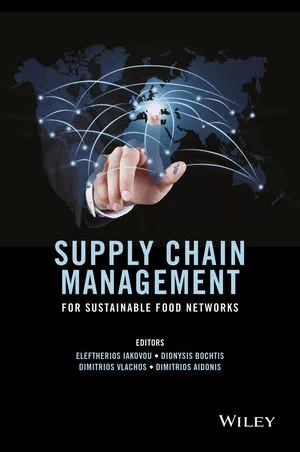
    Supply Chain Management for Sustainable Food Networks

  • Tharp & Young on Ice Cream: An Encyclopedic Guide to Ice Cream Science and Technology

  • The 10 Principles of Food Industry Sustainability

See More Products

Related Directories

  • Ndustrial

    Ndustrial is the world leader in cold chain energy management, helping 400+ plants and warehouses globally to maximize refrigeration efficiency, maintain detailed temperature records, measure energy and carbon by customer and SKU, optimize blast freezing and more. Learn more at info.ndustrial.io/cold-os/
  • OnSite Partners LLC

    OnSite Partners provides turnkey Energy as a Service solutions comprising a variety of behind the meter distributed energy resources across the US, designed to help energy end users reduce costs, enhance resiliency, and achieve sustainability objectives through innovative commercial structures requiring no upfront capital. We couple this with advanced energy management advisory and consulting solutions to ensure effective energy management across your organization.
  • Dalkia Energy Solutions LLC

×

Elevate your expertise in refrigerated and frozen foods with unparalleled insights and connections.

Get the latest industry updates tailored your way.

JOIN TODAY!
  • RESOURCES
    • Advertise
    • Contact Us
    • Directories
    • Store
    • Want More
  • SIGN UP TODAY
    • Create Account
    • eMagazine
    • Newsletter
    • Customer Service
    • Manage Preferences
  • SERVICES
    • Marketing Service
    • Reprints
    • Market Research
    • List Rental
    • Survey/Respondent Access
  • STAY CONNECTED
    • LinkedIn
    • Facebook
    • YouTube
    • X (Twitter)
  • PRIVACY
    • PRIVACY POLICY
    • TERMS & CONDITIONS
    • DO NOT SELL MY PERSONAL INFORMATION
    • PRIVACY REQUEST
    • ACCESSIBLITY

Copyright ©2026. All Rights Reserved BNP Media, Inc. and BNP Media II, LLC.

Design, CMS, Hosting & Web Development :: ePublishing