Refrigerated Frozen Foods logo
search
cart
facebook twitter linkedin youtube
  • Sign In
  • Create Account
  • Sign Out
  • My Account
Refrigerated Frozen Foods logo
  • NEWS
  • PRODUCTS
  • COLD STORAGE
    • Cold Storage Trends
    • Farm to Frozen
    • Supply Chain & Logistics
  • PACKAGING
  • TOPICS
    • Food Safety
    • Product Development & Manufacturing
    • Sustainable Solutions for Cold Foods
  • MEDIA HUB
    • Play Our Word Game
    • Podcasts
    • Videos
    • Polls
    • Webinars
  • DIRECTORIES
    • Cold Storage Construction Guide
    • Warehouse Guide
    • Food Master
  • MORE
    • Cold Chain Perspectives
    • Case Studies
    • C-Suite Q&A
    • Top 150 Processors
    • Awards >
      • Best New Retail Products
      • Cold Storage Facility of the Year
      • Processor of the Year
    • Directory of Associations
    • R&FF Store
    • Calendar of Events
    • FA&M Conference & Expo
  • EMAG
    • eMagazine
    • Archive Issues
    • Contact
    • Advertise
  • SIGN UP!
Cold Foods Industry NewsFood SafetyCold Chain PerspectivesSupply Chain Logistics for Refrigerated & Frozen Food

How to Deliver Fresh, Frozen Proteins to Chinese Consumers

By Andrew Kuiler
August 3, 2015

China presents a great opportunity for U.S. producers who can tap into the rising consumer need for increased protein in their diet. Chinese consumers already eat double the amount of meat as their American counterparts each year, and with food safety scares continuing to be a problem, they are increasingly seeking and spending more on safe, high-quality food sources.

Though restrictions exist on beef and poultry, there are also significant non-animal protein opportunities for U.S. producers in other fresh and frozen markets. For example, U.S. dairy exports capitalized on China’s increased consumption of proteins by growing over 30% in 2013. However, supplying the world’s second largest economy with both animal and non-animal proteins requires careful planning and a deep understanding of the consumer and the associated route-to-market challenges.

Understanding China’s protein preferences

Understanding how the end-user prefers to consume any import is essential in China market entry, as consumption preferences can differ greatly. Though exporting beef to China is currently banned due to the BSE outbreak from 2003, the good news is that Chinese consumers actually favor pork to beef. Plus, pork sells for twice the price of beef, per live weight pound. U.S. consumers also prefer lean muscle cuts, while Chinese consumers purchase a lot of pig ears, tails and offal, which can retail for twice the price of American cuts. This presents a significant opportunity for U.S. producers to generate value from the entire pig, with Chinese and American consumption preferences complimenting each other.

In terms of non-animal proteins, the likes of Canada are also taking advantage of rising demand. In March alone, China imported 450,000 tons of high-protein wheat (300,000 from Canada and 150,000 from Australia), tapping into China’s aforementioned need for increased protein and the country’s newfound consumption of bread. New Western-style bakeries sell sweets, but they also offer savory, pork-flavored treats. Products include “pork bread” or even “crouching tiger, hidden bacon.”

Jen Pino Gallagher, director for the Wisconsin Department of Agriculture, Madison, Wis., notes in the Wisconsin State Journal that the United States has a potential opportunity in taking advantage of China’s thriving dairy industry. Milk consumption is 50 times less (per capita) than in the United States, as recently as 2003. Mengniu, what is said to be China’s largest dairy processor, was only established in 1999, but experiences an increase in sales at a rate of 20% annually (with a net profit of over $300 million in 2014). This is partly thanks to the Chinese government now encouraging consumers to drink a glass of milk each day. Plus, foreign companies, particularly those from Australia and New Zealand, have entered the competitive marketspace. In May 2014, a shipment of 750,000 tons of imported milk sold out online in under an hour.

Gallagher also states that last year, Wisconsin exported approximately $55 million of whey to China to be used in processed foods and powdered milk. Due to food scares and a lack of distribution capabilities, fresh milk is uncommon in China and the majority of milk is ultra-heat treated to extend shelf life. In 2014, China imported over 884,000 tons of milk powder, with domestic milk simply being poured down the drain.

The key point here is that it’s essential for U.S. producers to research the market for both fresh and frozen proteins to understand how Chinese consumers are going to use the product and in what format.

Form effective partnerships to ensure delivery

Understanding the logistical implications of exporting fresh and frozen proteins to China is also crucial to ensure time and money is spent efficiently.

Food safety remains a top-of-mind concern for Chinese consumers, and with food scares such as protein adulteration in the supply chain, any breaches of trust can tarnish the brand. However, there are still issues in cold supply chain capabilities, with China having fewer cold distribution trucks than India. Some estimates place spoilage rates of perishable goods as high as 40%. That said, there are innovators in this sector who are looking to cash in on consumer needs for fresh, safe and high-quality foods. T-Mall (an online retailer in China) now delivers Vietnamese fruit, Australian steak and Canadian cod straight to the consumers’ door, and is investing $16 million into logistics providers to improve its solutions.

The retail environment is fierce with international competition. Premium imported goods that go out of style can soon become heavily discounted and left at the bottom of the shelf. China market entry strategy should therefore include retail capabilities that ensure the quality of the product is easily articulated and shared with the consumer. Provenance matters, too. In response to the Chinese concerns for food safety and the Chinese tendency of luxurious gift giving, packages can now be scanned with a smartphone for the consumer to learn more about a product’s origin. An understanding of the retail environment is essential to stay ahead of the curve when it comes to imported proteins. By using subtle brand narratives and product tracking to communicate the likes of fresh air and technological expertise in protein production, high-end producers can charge a premium.

Summary

U.S. pork exports have increased 1,550% since 1989, with the likes of Mexico, Japan and Canada fuelling the growth for what is now the world’s largest pork exporter. But, with the world’s largest consumer of pork questioning their domestic consumption options, this highlights the opportunity for U.S. producers to export high-quality products for China’s growing middle class. With the boom in China’s dairy industry, there are opportunities for a range of frozen and chilled goods. That said, cold food processors must maintain a deep market understanding in order to stand out and be successful in China.

KEYWORDS: dairy exports frozen proteins import/export protein

Share This Story

Looking for a reprint of this article?
From high-res PDFs to custom plaques, order your copy today!

Andrew Kuiler is managing director and founder for The Silk Initiative, a food and beverage consulting firm based in Shanghai.

Recommended Content

JOIN TODAY
To unlock your recommendations.

Already have an account? Sign In

  • Best New Retail Products of 2026 badge with grocery store refrigerators in the background.

    Top of the Freezer: R&FF’s Best New Retail Products

    From BFY proteins to globally inspired treats, these...
    New Retail Products
    By: Kelley Rodriguez
  • Pasco Exterior

    Reser’s Fine Foods: From Farmhouse Kitchen to ‘Good Times’ Everywhere

    A home-based potato salad company started 75 years ago...
    Product Development & Manufacturing
    By: Kelley Rodriguez
  • FromtheColdCorner-Anchor_1170x658.jpg

    EPR, Plastic Packaging for Cold Foods & More

    As consumer and regulatory pressure put plastic in the...
    Sustainable Solutions for Cold Foods
    By: Kelley Rodriguez
Manage My Account
  • eMagazine
  • What’s Hot in Cold Newsletter
  • Manage My Preferences
  • Online Registration
  • Customer Service

More Videos

Popular Stories

From the Cold Corner with Americold's Rob Chambers feature image

How Cold Chain Strategy Is Replacing Capacity

Best New Retail Products of 2026 badge with grocery store refrigerators in the background.

Top of the Freezer: R&FF’s Best New Retail Products

1170x658 of Cold Storage Podcast with Jennifer Jewers Bowlin and Craig Handy

ASRS, AI & Adaptability: What's Shaping the Future of Cold Storage

2026 Processor of the Year


Does your facility lead the industry? Nominate your cold storage facility today!

Events

June 17, 2025

Refrigerated & Frozen Foods’ State of the Cold Chain

On Demand Kelley Rodriguez, Editor in Chief of Refrigerated & Frozen Foods, will be joined in this 60-minute webinar by industry experts to help unpack the latest research.

January 1, 2030

Webinar Sponsorship Information

For webinar sponsorship information, visit www.bnpevents.com/webinars or email webinars@bnpmedia.com.

View All Submit An Event

Products

Water Activity in Foods: Fundamentals and Applications, 2nd Edition

Water Activity in Foods: Fundamentals and Applications, 2nd Edition

See More Products
New Retail Products

Explore the newest flavors, textures, and innovations in the frozen food aisle!


SEE WHAT'S NEW!
Play Refrigerated & Frozen Foods’ Cool Word of the Week! There's a new word every Wednesday.

Related Articles

  • Phononic Abhiroop Dutta

    How to fully capitalize on fresh, frozen food investments

    See More
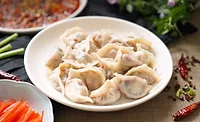
  • Mapo Tofu Dumplings Our Kitchen Meal Kit DTC

    New Direct-to-Consumer Frozen Chinese Meal Delivery Service Called 'Our Kitchen' Debuts

    See More
  • default online grocery app

    Relay Foods, Door To Door Organics partner to deliver revolutionary online grocery experience

    See More

Related Products

See More Products
  • GlobalData_logo_blue_header.png

    Frozen Meat (Meat) Market in North America - Outlook to 2022: Market Size, Growth and Forecast Analytics

  • GlobalData_logo_blue_header.png

    Global Frozen Meat (Meat) Market - Outlook to 2022: Market Size, Growth and Forecast Analytics

  • Packaging Distrib.jpg

    Packaging & Distribution of Fresh Fruits & Vegetables

See More Products

Related Directories

  • National Frozen & Refrigerated Foods Assn.

    NFRA is the leading all-industry trade association advancing the frozen and refrigerated categories. We bring the industry together through the strength of our members — manufacturers, retailers, wholesalers, distributors, logistics providers, sales agents, and suppliers — working collectively to drive growth and deliver more value to shoppers.
  • Aptar - Food Protection

    Aptar - Food Protection is part of AptarGroup, Inc., that provides food protection solutions, applying active packaging science and equipment and processing expertise to develop advanced systems that help extend freshness and enhance safety for fresh-cut produce, seafood, and more. The company offers custom active packaging solutions that protect against foodborne pathogens, reduce food waste, and deliver improved consumer experiences. In addition to their active packaging solutions, the company’s portfolio includes a range of packing trays, pouches, retail and mini containers, slicing equipment, lidding film, and tray-sealing technology.
×

Elevate your expertise in refrigerated and frozen foods with unparalleled insights and connections.

Get the latest industry updates tailored your way.

JOIN TODAY!
  • RESOURCES
    • Advertise
    • Contact Us
    • Directories
    • Store
    • Want More
  • SIGN UP TODAY
    • Create Account
    • eMagazine
    • Newsletter
    • Customer Service
    • Manage Preferences
  • SERVICES
    • Marketing Service
    • Reprints
    • Market Research
    • List Rental
    • Survey/Respondent Access
  • STAY CONNECTED
    • LinkedIn
    • Facebook
    • YouTube
    • X (Twitter)
  • PRIVACY
    • PRIVACY POLICY
    • TERMS & CONDITIONS
    • DO NOT SELL MY PERSONAL INFORMATION
    • PRIVACY REQUEST
    • ACCESSIBLITY

Copyright ©2026. All Rights Reserved BNP Media, Inc. and BNP Media II, LLC.

Design, CMS, Hosting & Web Development :: ePublishing