Nestlé Unveils 2026 F&B Trend Predictions
Multi-sensory food experiences are in high demand, and texture is taking center stage: Nearly half of consumers who have ordered from a restaurant in the past three months say texture is just as important as flavor (Datassential 2025).
The world’s largest food and beverage company is making its annual call on what will shape the way Americans eat, drink and spend in 2026 – and the insights may surprise.
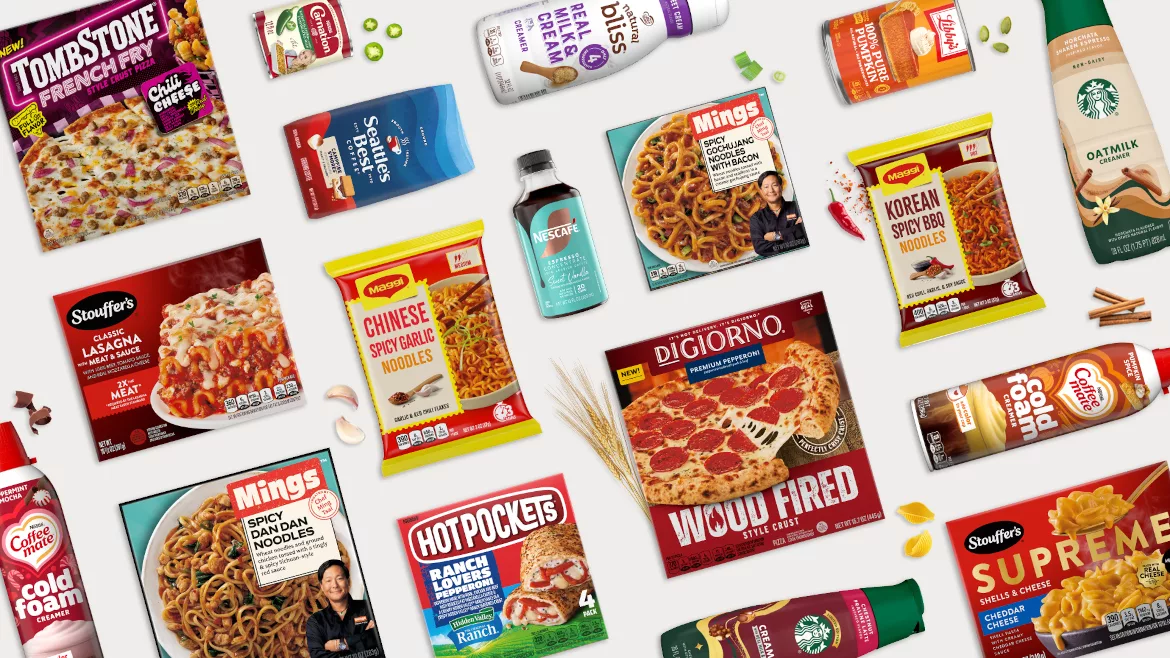
From bold new flavor mashups to full-blown texture takeover, Nestlé USA’s 2026 Food & Beverage Trends reveal how cultural curiosity, Gen Z experimentation and global inspiration are driving what ends up on our plates (and in our cups) next year. The trends shed light on how the next wave of flavor innovation, evolving coffee rituals and tactile indulgences will redefine everyday consumption at home, in stores and across restaurant menus.
You’ll find the five defining trends outlining what these shifts mean for brands, retailers, and consumers alike.
‘Swangy’ & ‘Swavory’: The Next Wave of ‘Swicy’
“Swicy” (sweet and spicy) flavors have dominated conversations, surging roughly 30% last year (Tastewise 2024). With younger generations snacking more this year than last, innovation around taste is only set to soar. Enter, the next phase of “swicy:” a flavor evolution beyond sweet and raw heat, characterized by unexpected combinations like “swangy” (sweet, spicy and tangy) and “swavory” (spicy, sweet and savory).
In this next wave, consumers will crave a wider spectrum of heat and nuanced flavors, consistent with their interest in global cuisine. Gen Zers, who make up America’s most ethnically diverse generation, are proving especially pivotal in accelerating this trend — not only are they open to trying new things at restaurants, but they’re also eager to experiment in their very own kitchens, spurring the rapid exploration and adoption of these flavors among a broad swath of consumers.
Emerging savory flavors include white pepper, tamarind, Chinese five spice and harissa; meanwhile, citrus flavors like blood orange, yuzu and finger lime are earning attention. From baking sheets to the coffee bar, “swavory” and “swangy” offerings are sure to show up in 2026.
In a New Texture Obsession, Taste Becomes Tactile
Multi-sensory food experiences are in high demand, and texture is taking center stage: Nearly half of consumers who have ordered from a restaurant in the past three months say texture is just as important as flavor (Datassential 2025). Further, younger generations — 75% of Gen Z and 80% of Millennials— report texture is a primary influence on their snack cravings (Innova 2025).
Last year, “crunch” became a gateway to the texture trend when #CrunchTok amassed over 1.5 billion views. Now, soft textures are on the rise, with the word “creamy” appearing on 45% of menus and the use of “velvety” as a food descriptor up 40% quarter over quarter across social media (Black Swan Social Data). When it comes to coffee, 71% of specialty coffee drinkers say they are more likely to purchase “smooth” coffee varieties (2025 National Coffee Data Trends Report). Expect products like cold foam to lead the beverage charge next year and textural toppings to take over in the grocery aisles.
How ‘Weird’ Is Winning in the Grocery Aisle
Retailers no longer simply accept outside-the-box innovations — they seek them out. That’s driven by consumers’ heightened interest in walking on the wild side – 90% of Gen Z and Millennials seek out new food and beverage flavors, with the majority saying ‘the wilder the better’ (NACS Magazine 2024). Interest in novel foods has steadily grown as consumers have sampled new offerings away from home – over half of Gen Z have tried a new flavor at a fast-food restaurant in the past year (Mintel 2024).
Now, consumers across generations are following their cravings home, shopping at grocery stores based on unique product offerings, and enjoying the convenience from their kitchen tables. Retailers and brands see market opportunity in the shift—a way to earn loyalty among untapped demographics and trends-driven shoppers. With the majority of consumers interested in trying new and distinct flavors, expect wackier flavors combinations, partnerships and formats on shelves and in consumers’ carts in 2026.
Layering in Indulgence: How Gen Z Are Designing Build-Your-Own Brews
Today’s beverage category is fueled by a booming at-home coffee culture, social media and a surge in experimentation (65% of adults customize their beverages). With their heightened interest in accessible indulgence, consumers are leaning into layering their brews, creating multi-sensory experiences in one cup. Coffee drinkers are concocting iced varieties complete with splashes of creamer, pillows of cold foam and crunchy toppings. Matcha latte loyalists, meanwhile, are infusing their frothed green drinks with fruity tastes. On average, consumers keep two to three creamers on hand, which allows them to layer up at home (Circana 2025).
The generation putting power behind the trend? Gen Z: 3 in 4 Gen Zers uplevel their beverages with sweeteners, sugars and creamers (Keurig Dr Pepper State of Beverage 2025 Report). Whether through dupe culture or tailored coffee and tea recipes, layered, flavorful drinks are becoming daily occasions, quenching consumers’ thirst for creativity and depth.
Expanding Global Coffee Flavors — Traveling with Every Cup
As consumers crave immersive flavor experiences that recall different cultures, coffee has become a ticket to exploration. 1 in 4 consumers are interested in global coffee drinks (Mintel 2025). This "flavor tourism" era is rooted in curiosity among adventurous drinkers and growing access to international flavors in local markets. Popular influences include Vietnamese-style coffee, Mexican café de olla and horchata lattes local to Latin America.
Specialty coffee consumption has surpassed traditional coffee in the U.S., with 46% of adults reporting they drink specialty coffee every day, compared to 42% who say they drink traditional coffee daily (National Coffee Association 2025). Storefronts and ready-to-drink (RTD) brands alike are innovating to meet demand, introducing Turkish coffee blends with chocolate, as well as beverages inspired by Asian decadence, K-pop and café culture. Thai iced teas and coffees, once niche, are more readily available. With global brews, consumers can taste the world; no passport required.
Looking for a reprint of this article?
From high-res PDFs to custom plaques, order your copy today!