Refrigerated Frozen Foods logo
search
cart
facebook twitter linkedin youtube
  • Sign In
  • Create Account
  • Sign Out
  • My Account
Refrigerated Frozen Foods logo
  • NEWS
  • PRODUCTS
  • COLD STORAGE
    • Cold Storage Trends
    • Farm to Frozen
    • Supply Chain & Logistics
  • PACKAGING
  • TOPICS
    • Food Safety
    • Product Development & Manufacturing
    • Sustainable Solutions for Cold Foods
  • MEDIA HUB
    • Play Our Word Game
    • Podcasts
    • Videos
    • Polls
    • Webinars
  • DIRECTORIES
    • Cold Storage Construction Guide
    • Warehouse Guide
    • Food Master
  • MORE
    • Cold Chain Perspectives
    • Case Studies
    • C-Suite Q&A
    • Top 150 Processors
    • Awards >
      • Best New Retail Products
      • Cold Storage Facility of the Year
      • Processor of the Year
    • Directory of Associations
    • R&FF Store
    • Calendar of Events
    • FA&M Conference & Expo
  • EMAG
    • eMagazine
    • Archive Issues
    • Contact
    • Advertise
  • SIGN UP!
Food Safety

Food safety: Buy better

By Jeffrey Stenner
September 15, 2009


No matter what side of the fence you’re on, you’d probably agree that it was shocking to see the supplier approval process attacked this spring in the New York Times.

In the wake of the Peanut Corporation of America’s national product recall, reporters Michael Moss and Andrew Martin wrote, “The Trouble with Food Safety Audits.” The article criticized a reputable third-party auditing firm and challenged the auditors’ capability.

For many, the answer to screening and monitoring suppliers involves a third-party audit.  Here, a professional auditor evaluates an operation against an established standard. The standard may be designed by the customer or the auditing company may have its own standards.

One of the drawbacks to using a third-party audit is that it tends to promote two-dimensional thinking. That is, a third-party audit will tell you whether or not the supplier complies with a standard. However, this process will not necessarily determine if there are any risks to your particular plant or process.

In my opinion, any supplier approval process should involve a detailed investigation, which includes the use of a third-party audit as an important tool. That said, I see the approval process as having several phases.

The first step is simply an “initiation phase.” Here, there’s contact initiated by either the prospective supplier’s sales department or the buyer’s purchasing department. This phase establishes relationships and lines of communication with the two sides sharing information.

The goal or purpose is to determine if the supplier can provide the customer with a safe, quality, cost-efficient product. During this phase, a buyer should receive, review and file a few critical documents. These typically include …

… a supplier questionnaire, in which the prospective supplier answers specific questions about their operation, products and programs;

… key documents, such as Letters of Guaranty, insurance, Kosher or Halal certificates, and organic certification;

… product specifications including critical food safety and quality tests;

… labeling and nutritional information;

… detailed HACCP plan with flow chart;

… a copy of a recent third-party audit.

Every buyer should review these documents to determine if there are any food safety or product quality gaps that need to be addressed. Customers also should consider how a potential supplier responds to any issues brought up during the evaluation process. Finally, both sides should determine how to address any identified risks. It’s a matter of establishing if the food safety risks will be controlled by the supplier (corporately) or by its manufacturing facility and what procedures should be in place to control the risk.

I consider the next step as a “follow-up” phase.  If there are unanswered questions after the necessary documents are received or if there is a perceived risk of concern, then this step may involve an on-site visit.

Rather than conduct a comprehensive audit, the on-site visit should focus on verifying that the suppliers have done a thorough job of evaluating the risks within their own processes and have effectively mitigated any hazards. During this step, a buyer may choose (or not) to visit the supplier’s site. Because most companies buy product from so many sources, it often is virtually impossible to visit each location.

This is where the third-party audit becomes a valuable tool. A customer can select key components from a third-party audit and verify that those findings are valid for the supplier’s operation. Customers also should review how the supplier has responded to and/or corrected any concerns and findings mentioned in an audit report. In most cases, this follow-up is just as critical as the audit itself.

After the site visit or third-party records review, buyers should perform a final risk assessment and decide whether or not to accept a supplier’s service or material into the buyer’s facility. I’d note that the approval process does not end here. Buyers should continue to monitor a new item (or service) to ensure that it is indeed performing as expected.

Jeff Stenner is corporate quality assurance manager for Orval Kent Foods, a Wheeling, Ill.-based, processor of refrigerated deli salads and side dishes. Orval Kent Foods is a member of the Refrigerated Foods Association, Atlanta.


KEYWORDS: HACCP plan Orval Kent refrigerated deli salads refrigerated side dishes

Share This Story

Looking for a reprint of this article?
From high-res PDFs to custom plaques, order your copy today!
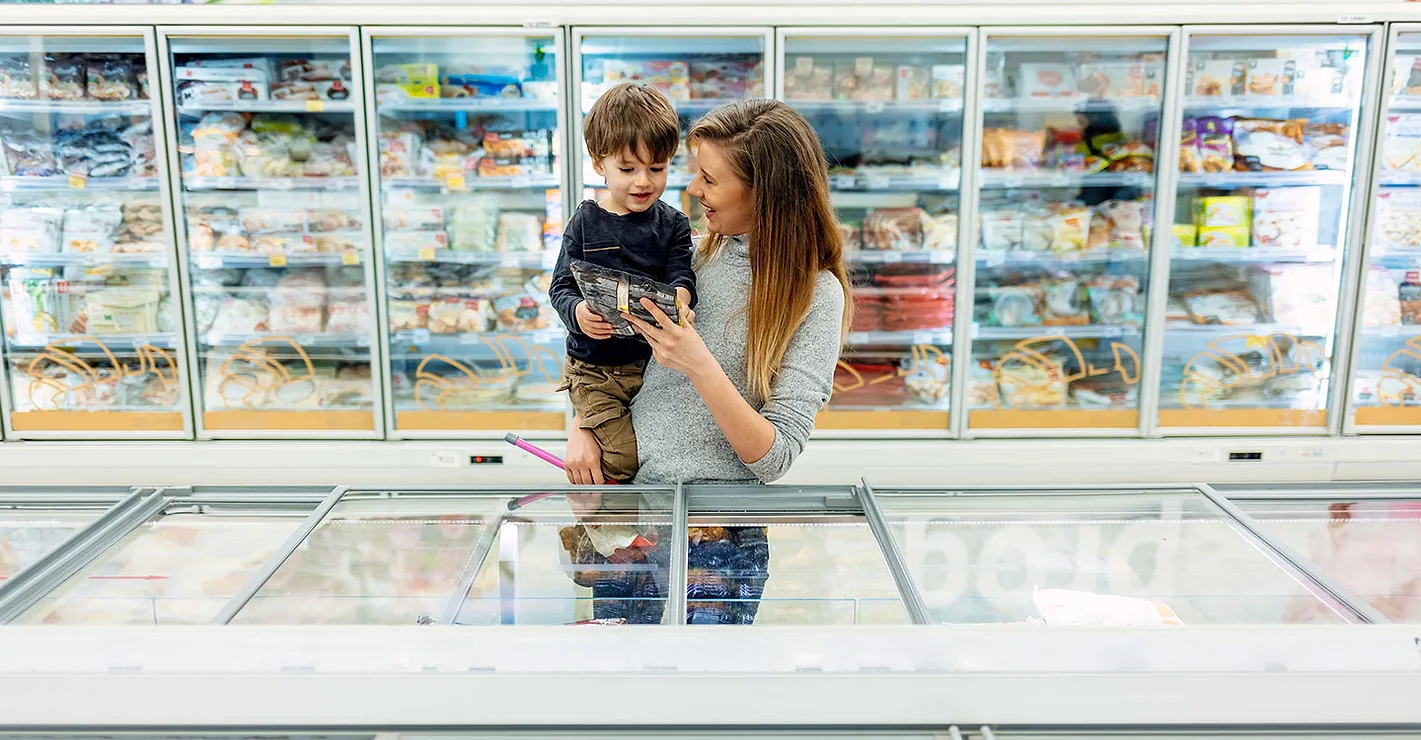
Jeff Stenner is corporate quality assurance manager for Orval Kent Foods, a Wheeling, Ill.-based, processor of refrigerated deli salads and side dishes.

Recommended Content

JOIN TODAY
To unlock your recommendations.

Already have an account? Sign In

  • Best New Retail Products of 2026 badge with grocery store refrigerators in the background.

    Top of the Freezer: R&FF’s Best New Retail Products

    From BFY proteins to globally inspired treats, these...
    Product Development & Manufacturing
    By: Kelley Rodriguez
  • Pasco Exterior

    Reser’s Fine Foods: From Farmhouse Kitchen to ‘Good Times’ Everywhere

    A home-based potato salad company started 75 years ago...
    Product Development & Manufacturing
    By: Kelley Rodriguez
  • FromtheColdCorner-Anchor_1170x658.jpg

    EPR, Plastic Packaging for Cold Foods & More

    As consumer and regulatory pressure put plastic in the...
    Cold Foods Packaging
    By: Kelley Rodriguez
Manage My Account
  • eMagazine
  • What’s Hot in Cold Newsletter
  • Manage My Preferences
  • Online Registration
  • Customer Service

More Videos

Popular Stories

From the Cold Corner with Americold's Rob Chambers feature image

How Cold Chain Strategy Is Replacing Capacity

1170x658 of Cold Storage Podcast with Jennifer Jewers Bowlin and Craig Handy

ASRS, AI & Adaptability: What's Shaping the Future of Cold Storage

Close-up image of various frozen berries.

AFFI Pushes Supply Chain Transparency to Tackle Frozen Berry Risk

2026 Processor of the Year


Does your facility lead the industry? Nominate your cold storage facility today!

Events

June 17, 2025

Refrigerated & Frozen Foods’ State of the Cold Chain

On Demand Kelley Rodriguez, Editor in Chief of Refrigerated & Frozen Foods, will be joined in this 60-minute webinar by industry experts to help unpack the latest research.

January 1, 2030

Webinar Sponsorship Information

For webinar sponsorship information, visit www.bnpevents.com/webinars or email webinars@bnpmedia.com.

View All Submit An Event

Products

Water Activity in Foods: Fundamentals and Applications, 2nd Edition

Water Activity in Foods: Fundamentals and Applications, 2nd Edition

See More Products
New Retail Products

Explore the newest flavors, textures, and innovations in the frozen food aisle!


SEE WHAT'S NEW!
Play Refrigerated & Frozen Foods’ Cool Word of the Week! There's a new word every Wednesday.

Related Articles

  • Mocon creates 4 business units to better food safety footprint

    See More
  • Food Safety Exchange: Which Food Safety Certification is Best for You?

    See More
  • Food safety testing

    Purdue University receives $10M to fund food safety lab, address global food safety

    See More

Related Products

See More Products
  • food safety.jpg

    Food Safety for the 21st Century: Managing HACCP and Food Safety Throughout the Global Supply Chain, 2nd Edition

  • food book.jpg

    Validating Preventive Food Safety and Quality Controls 1st Edition

  • small-occ.jpg

    Occupational Health and Safety in the Food and Beverage Industry

See More Products

Events

View AllSubmit An Event
  • July 13, 2016

    FSNS ANNOUNCES FOOD SAFETY CONFERENCE AND LAB GRAND OPENING JULY 13; Event Features Food Safety Topics, Lab Grand Opening and Temple Grandin Book Signing

    San Antonio, TX—June 6, 2016—Food Safety Net Services (FSNS) and Food Safety Net Services Certification and Audit (FSNS C&A) today announced the FSNS Food Safety Conference in Amarillo, Texas on Wednesday, July 13. A tour and reception of the FSNS Amarillo Laboratory will follow after the conference along with a book signing by Dr. Temple Grandin.
View AllSubmit An Event

Related Directories

  • Foth | Food Plant Engineering LLC

    We are designers and builders of sustainable food production facilities. Using imagination, innovation, and ingenuity, we help food manufacturing companies improve food safety, gain productivity, and grow capacity.
  • Aptar - Food Protection

    Aptar - Food Protection is part of AptarGroup, Inc., that provides food protection solutions, applying active packaging science and equipment and processing expertise to develop advanced systems that help extend freshness and enhance safety for fresh-cut produce, seafood, and more. The company offers custom active packaging solutions that protect against foodborne pathogens, reduce food waste, and deliver improved consumer experiences. In addition to their active packaging solutions, the company’s portfolio includes a range of packing trays, pouches, retail and mini containers, slicing equipment, lidding film, and tray-sealing technology.
  • CMC Design Build Inc.

    CMC Design-Build is a national leader in the planning, design, and construction of food and beverage processing and distribution facilities, including expansion, renovation, and greenfield projects. We have expertise in site search, process layout, high care/low risk segregation, food safety compliance, and material handling optimization. We design and build our projects to maximize our clients’ total operational proforma profitability.
×

Elevate your expertise in refrigerated and frozen foods with unparalleled insights and connections.

Get the latest industry updates tailored your way.

JOIN TODAY!
  • RESOURCES
    • Advertise
    • Contact Us
    • Directories
    • Store
    • Want More
  • SIGN UP TODAY
    • Create Account
    • eMagazine
    • Newsletter
    • Customer Service
    • Manage Preferences
  • SERVICES
    • Marketing Service
    • Reprints
    • Market Research
    • List Rental
    • Survey/Respondent Access
  • STAY CONNECTED
    • LinkedIn
    • Facebook
    • YouTube
    • X (Twitter)
  • PRIVACY
    • PRIVACY POLICY
    • TERMS & CONDITIONS
    • DO NOT SELL MY PERSONAL INFORMATION
    • PRIVACY REQUEST
    • ACCESSIBLITY

Copyright ©2026. All Rights Reserved BNP Media, Inc. and BNP Media II, LLC.

Design, CMS, Hosting & Web Development :: ePublishing