Refrigerated Frozen Foods logo
search
cart
facebook twitter linkedin youtube
  • Sign In
  • Create Account
  • Sign Out
  • My Account
Refrigerated Frozen Foods logo
  • NEWS
  • PRODUCTS
  • COLD STORAGE
    • Cold Storage Trends
    • Farm to Frozen
    • Supply Chain & Logistics
  • PACKAGING
  • TOPICS
    • Food Safety
    • Product Development & Manufacturing
    • Sustainable Solutions for Cold Foods
  • MEDIA HUB
    • Play Our Word Game
    • Podcasts
    • Videos
    • Polls
    • Webinars
  • DIRECTORIES
    • Cold Storage Construction Guide
    • Warehouse Guide
    • Food Master
  • MORE
    • Cold Chain Perspectives
    • Case Studies
    • C-Suite Q&A
    • Top 150 Processors
    • Awards >
      • Best New Retail Products
      • Cold Storage Facility of the Year
      • Processor of the Year
    • Directory of Associations
    • R&FF Store
    • Calendar of Events
    • FA&M Conference & Expo
  • EMAG
    • eMagazine
    • Archive Issues
    • Contact
    • Advertise
  • SIGN UP!
Food SafetyCold Chain Perspectives

Why food recalls continue to happen

By Elizabeth Clark, Fadi Aramouni
We R Food Safety Andrew Lorenz
Dr. Fadi Aramouni
We R Food Safety Andrew Lorenz
Elizabeth Clark
We R Food Safety Andrew Lorenz
March 10, 2016

It seems that almost every week, news media outlets are reporting on yet another foodborne illness outbreak. From Listeria monocytogenes in ice cream, Salmonella in peanut butter or Norovirus on a cruise ship, no food commodity appears immune to the outbreak of foodborne pathogens. Considering all of the advanced technology and preventative controls being employed from farm to fork, it seems highly unlikely that a foodborne illness outbreak would even occur in the first place. But, it does. So, why are food recalls continuing to occur despite current preventative technologies and food safety regulations?

A major fallacy concerning food recalls is that the food industry is producing less safe food. In reality, the food being produced today is safer than it has historically been. According to foodborne disease outbreak reports generated by the Center for Disease Control (CDC), a total of 13,360 cases of illness were reported in 2013 compared to 19,231 cases in 1990. However, the number of food disease outbreaks rose from a reported 533 in 1990 to 818 in 2013. The potential reasons for fewer cases of illness but increased number of outbreaks are more awareness, better enforcement of food safety practices and improved ability to identify and track cases of foodborne illness.

So, if a better job is being done by the food industry to prevent outbreaks, where and how do pathogens slip through the defenses employed to inhibit them? One source of contamination is likely the farms where many food products and ingredients are derived. Fruits, vegetables and animal protein sources, including the milk obtained from them, are produced in or on soil, which is inherently saturated with microorganisms. Though many of these microorganisms are non-pathogenic, specific microbes such as Listeria monocytogenes, pathogenic Escherichia coli (E. coli) and Salmonella species can wreak havoc when introduced into the human gastrointestinal tract. Many of these pathogens are further introduced by run-off water from farming operations, thus cross contaminating any foods that happen to come into contact directly or indirectly with run-off water.

Likewise, introduction of pathogens to food can also be attributed to human error. The food system contains many stages such as growing, transportation, processing, retail, preparation and consumption. That’s a lot of places where food is coming into contact with people. Though food manufacturers utilize good manufacturing practices (GMPs) like hand washing and wearing personal protective equipment to reduce the chance of cross contamination, persistent pathogens can still lurk about in the processing environment. That’s why food processors adhere to strict sanitation standard operating procedures, which dictate exactly how and how often to sanitize the processing equipment/environment. Coincidentally, humans can indirectly promote pathogen growth by deviating from processing controls used to meet critical limits for food safety.

Research focused on unearthing the underpinnings of foodborne pathogens has yielded an abundance of useful knowledge that is currently being applied within the food industry. Findings help to develop superior technologies, methods and regulations promoting pathogen prevention and creating an overall safer supply of food. Despite continuous research and proactive practices, it is exceedingly difficult for the food industry to foresee and prevent emerging strains of pathogens (e.g. shiga toxin-producing E.coli). Since these strains are new, and thus understudied, very little is known about their pathogenicity and how they can be prevented. Unfortunately, it usually takes an outbreak of foodborne illness, such as the 2011 outbreak of E.coli 0104:H4 in Europe, to discover these new pathogenic strains even exist.

Another crucial factor that directly affects the prevalence of foodborne illness is post-production handling of food by consumers. When an outbreak of foodborne illness occurs, it is commonplace for blame to be solely directed at the food industry. Ultimately, food safety is a shared responsibility between food growers, processors and consumers. Regrettably, many consumers lack the level of food safety education so readily instilled into employees of the food industry. Current food safety regulations fail to address educating consumers on safe food handling practices, further perpetuating cross contamination and introduction of pathogens to food. Furthermore, consumers are reluctant to accept technologies, such as food irradiation, proven highly effective at preventing foodborne pathogens. Consumer reluctance stems from a widespread fear that these technologies somehow adulterate the food rendering it unwholesome.

All in all, many opportunities exist to reduce and prevent food recalls. Ongoing research provides the food industry with innovative technologies and practices that can be utilized to more effectively prevent pathogens from being introduced into the food system. Likewise, diligence in employing preventative controls, identifying deviations and taking corrective steps (e.g. shutting down production upon a confirmed positive of Listeria spp. during environmental sampling) can help prevent, minimize and reduce severity of recalls.

Finally, consumers need to be better educated on the soundness of processing equipment as well as safe food handling. Acceptance of more highly efficient processing machinery allows the food industry to produce food. Understanding how to properly handle/prepare food will help reduce cross contamination and thus cases of foodborne illness. By seizing these opportunities, we can collectively make strides in reducing foodborne pathogens at every stage within the food system.

KEYWORDS: food recalls regulations

Share This Story

Looking for a reprint of this article?
From high-res PDFs to custom plaques, order your copy today!
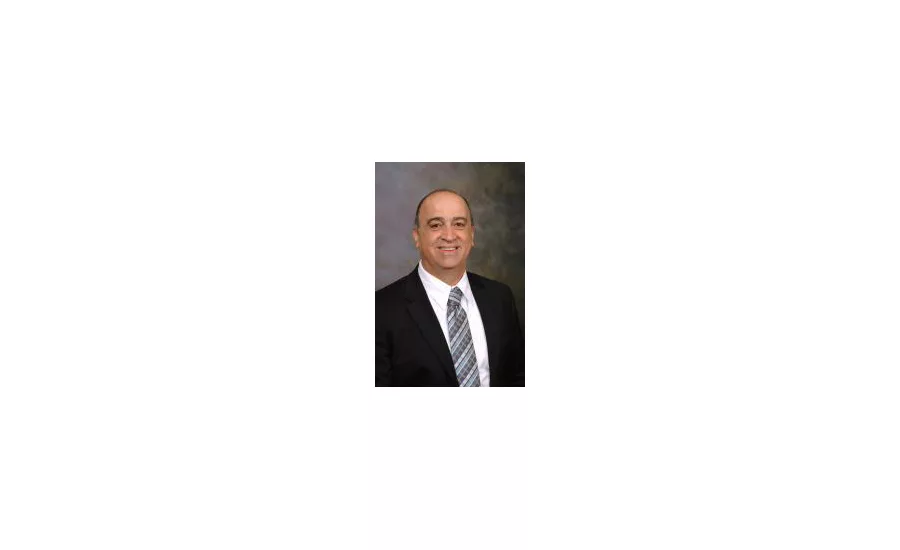
Elizabeth Clark is an assistant editor of Science Meets Food blog, produced by the Institute of Food Technologists Student Association, a student-governed community of International Food Technologist members, Chicago.
Dr. Fadi Aramouni is a professor and extension specialist at Kansas State University, Manhattan, Kan.

Recommended Content

JOIN TODAY
To unlock your recommendations.

Already have an account? Sign In

  • Best New Retail Products of 2026 badge with grocery store refrigerators in the background.

    Top of the Freezer: R&FF’s Best New Retail Products

    From BFY proteins to globally inspired treats, these...
    Cold Foods Industry News
    By: Kelley Rodriguez
  • Pasco Exterior

    Reser’s Fine Foods: From Farmhouse Kitchen to ‘Good Times’ Everywhere

    A home-based potato salad company started 75 years ago...
    Cold Foods Industry News
    By: Kelley Rodriguez
  • FromtheColdCorner-Anchor_1170x658.jpg

    EPR, Plastic Packaging for Cold Foods & More

    As consumer and regulatory pressure put plastic in the...
    Cold Foods Packaging
    By: Kelley Rodriguez
Manage My Account
  • eMagazine
  • What’s Hot in Cold Newsletter
  • Manage My Preferences
  • Online Registration
  • Customer Service

More Videos

Popular Stories

From the Cold Corner with Americold's Rob Chambers feature image

How Cold Chain Strategy Is Replacing Capacity

1170x658 of Cold Storage Podcast with Jennifer Jewers Bowlin and Craig Handy

ASRS, AI & Adaptability: What's Shaping the Future of Cold Storage

Close-up image of various frozen berries.

AFFI Pushes Supply Chain Transparency to Tackle Frozen Berry Risk

2026 Processor of the Year


Does your facility lead the industry? Nominate your cold storage facility today!

Events

June 17, 2025

Refrigerated & Frozen Foods’ State of the Cold Chain

On Demand Kelley Rodriguez, Editor in Chief of Refrigerated & Frozen Foods, will be joined in this 60-minute webinar by industry experts to help unpack the latest research.

January 1, 2030

Webinar Sponsorship Information

For webinar sponsorship information, visit www.bnpevents.com/webinars or email webinars@bnpmedia.com.

View All Submit An Event

Products

Water Activity in Foods: Fundamentals and Applications, 2nd Edition

Water Activity in Foods: Fundamentals and Applications, 2nd Edition

See More Products
New Retail Products

Explore the newest flavors, textures, and innovations in the frozen food aisle!


SEE WHAT'S NEW!
Play Refrigerated & Frozen Foods’ Cool Word of the Week! There's a new word every Wednesday.

Related Articles

  • Food safety testing

    Why food recalls continue to happen despite increasing regulation

    See More
  • Major food and beverage manufacturers continue to struggle

    See More
  • We R Food Safety Andrew Lorenz

    How user error results in food recalls

    See More

Related Products

See More Products
  • 1119700825.jpg

    Use of Hydrocolloids to Control Food Appearance, Flavor, Texture, and Nutrition

  • food safety.jpg

    Food Safety for the 21st Century: Managing HACCP and Food Safety Throughout the Global Supply Chain, 2nd Edition

  • handbookfoodscience.jpg

    Handbook of Food Science and Technology 2: Food Process Engineering and Packaging

See More Products

Related Directories

  • Aptar - Food Protection

    Aptar - Food Protection is part of AptarGroup, Inc., that provides food protection solutions, applying active packaging science and equipment and processing expertise to develop advanced systems that help extend freshness and enhance safety for fresh-cut produce, seafood, and more. The company offers custom active packaging solutions that protect against foodborne pathogens, reduce food waste, and deliver improved consumer experiences. In addition to their active packaging solutions, the company’s portfolio includes a range of packing trays, pouches, retail and mini containers, slicing equipment, lidding film, and tray-sealing technology.
  • Refrigerated Foods Assn.

    The Refrigerated Foods Association (RFA) is an organization of manufacturers and suppliers of prepared, refrigerated food products united by a common interest: to advance and safeguard the industry.
×

Elevate your expertise in refrigerated and frozen foods with unparalleled insights and connections.

Get the latest industry updates tailored your way.

JOIN TODAY!
  • RESOURCES
    • Advertise
    • Contact Us
    • Directories
    • Store
    • Want More
  • SIGN UP TODAY
    • Create Account
    • eMagazine
    • Newsletter
    • Customer Service
    • Manage Preferences
  • SERVICES
    • Marketing Service
    • Reprints
    • Market Research
    • List Rental
    • Survey/Respondent Access
  • STAY CONNECTED
    • LinkedIn
    • Facebook
    • YouTube
    • X (Twitter)
  • PRIVACY
    • PRIVACY POLICY
    • TERMS & CONDITIONS
    • DO NOT SELL MY PERSONAL INFORMATION
    • PRIVACY REQUEST
    • ACCESSIBLITY

Copyright ©2026. All Rights Reserved BNP Media, Inc. and BNP Media II, LLC.

Design, CMS, Hosting & Web Development :: ePublishing