 RSS
RSS
Cold Foods Packaging

How brand owners can identify the right packaging materials
Brand owners can identify the right packaging materials to balance brand requirements and consumer preferences with packaging content to mitigate risk, extend shelf life and avoid higher costs.
Read More

LaClare Family Creamery introduces new packaging, extended product line
The addition to LaClare’s full line of goat products allowed for a rebrand of LaClare Family Creamery.
Read More

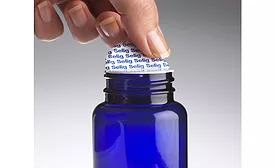
Research shows consumers want safety, leak prevention, freshness, ease of opening
Respondents showed a strong preference for their milk to be induction sealed, with 77% wanting the product to come with a liner.
Read More


OSU researchers develop water-resistant, antimicrobial edible wrap for food preservation
The film is similar in texture and appearance to plastic wrap, but it is edible and made of a combination of two naturally occurring substances.
Read More
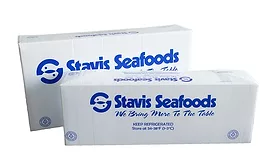
Stavis Seafoods switches to 100% recyclable packaging
More than 95% of the fresh fish that is packaged by Stavis will be in the recyclable packages, replacing more than 1,100 unrecyclable and unreliable polystyrene and wax boxes used per day.
Read More

