Plant-Based Packaging Options for Cold and Frozen Foods
Research shows over 70% of consumers say they consciously think about packaging made from plant-based materials when they are shopping.
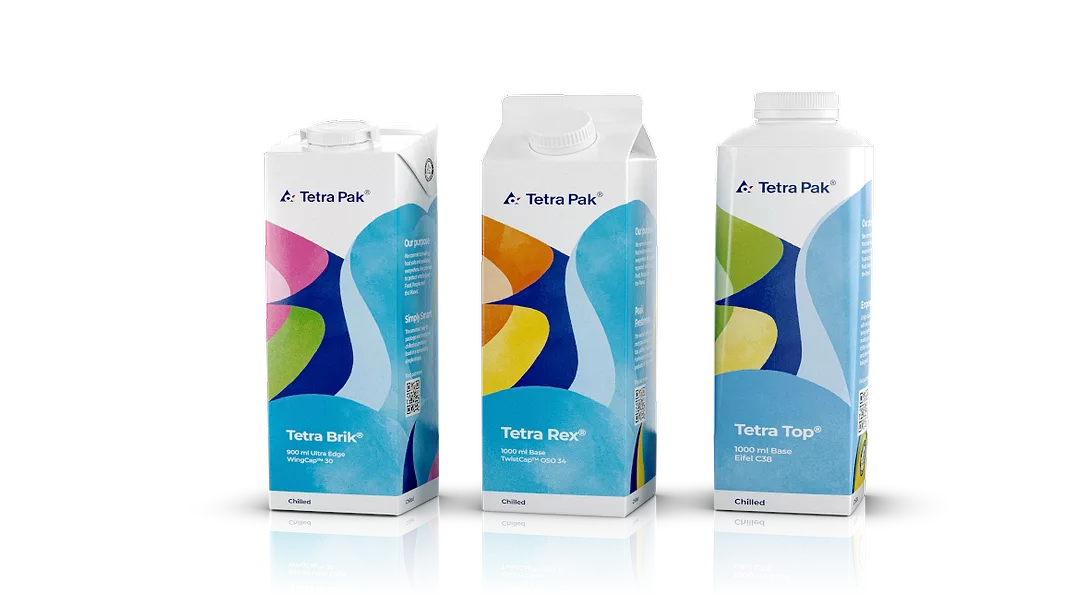
All Tetra Pak cartons can carry the recycling logo and Forest Stewardship Council logo. Tetra Pak cartons that transition from fossil-based polyethylene caps and/or coatings to those with plant-based polyethylene features can carry logos indicating Bonsucro certification as well as the Carbon Trust Reducing Packaging logo. Courtesy TetraPak.
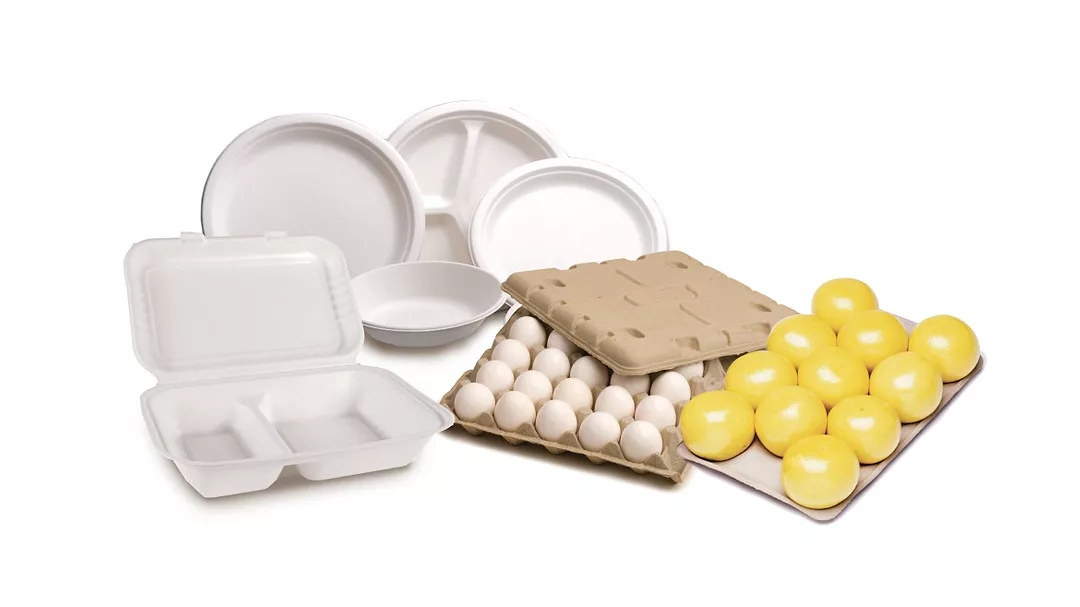
The company's new 200,000-square-foot dedicated specialty molded fiber solutions facility in Ohio will expand capacity and capabilities with a variety of products including high-performance egg cartons. Courtesy TekniPlex Consumer Products.
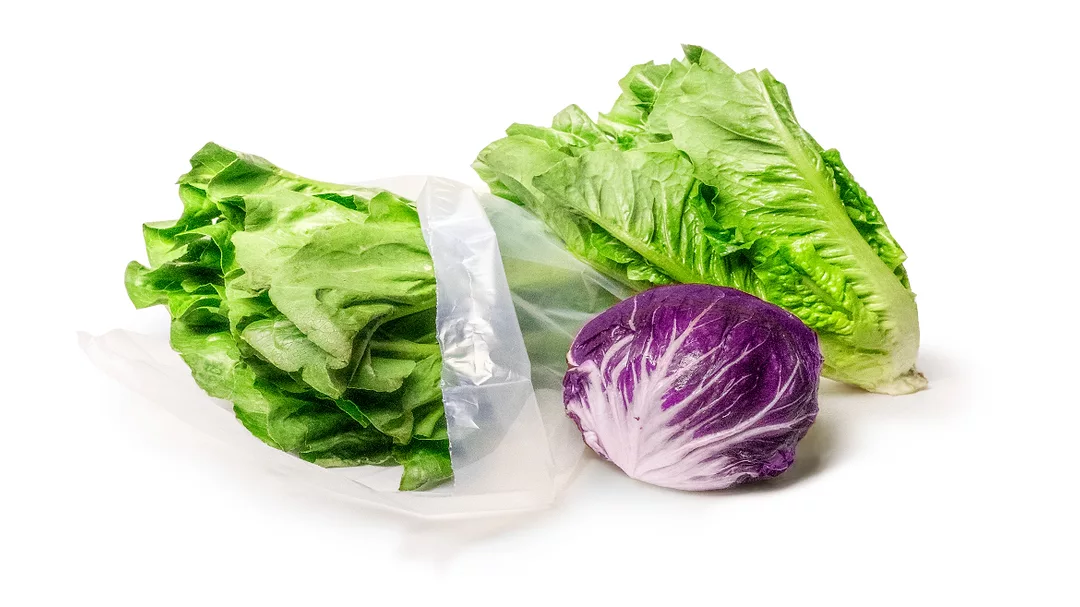
The Great American Packaging Company offers produce bags and other packaging that is made from plant-based sources. Courtesy Great American Packaging.
More consumers expect their food to come in plant-based packaging.
Research conducted in 2022, by the Plant Based Products Council, found nearly nine out of 10 (88%) of consumers said they are likely to purchase products and materials made from plants in the next three months and over 70% said they consciously think about products and packaging made from plant-based materials when they are shopping.
Tetra Pak in 2019 became the first company to offer a plant-based milk carton, using polymers that are fully traceable to a sugarcane origin. Its chilled cartons are made from about 80% renewable material, including paperboard from Forest Stewardship Council-certified forests. Brands can also opt to use plant-based polyethylene (PE) caps and coatings made from Bonsucro-certified sugarcane.
The company in 2021 announced a €100 million investment toward creating a package that is solely made from responsibly-sourced, renewable or recycled materials, and that is fully recyclable and carbon neutral.
“We’re seeing a growing trend of consumers wanting to do more for the planet, and they look to brands to help. We are seeing more brands share their sustainability story on-pack, including third-party certifications, to educate consumers and stand out on shelf,” said Michael Bertolino, vice president, Carton Chilled at Tetra Pak U.S. and Canada. “For brands using Tetra Pak cartons, it is important to note that the packages have always been made primarily from renewable, plant-based materials, so these packages are already proven within the refrigerated space. While the emergence of sugarcane-based polyethylene is relatively new, they perform the same as their fossil-based counterparts. This means the transition to our packages with plant-based polyethylene is seamless from the filling line through the recycling process.”
In 2022, Tetra Pak saw a 24% increase in sales globally of packages with plant-based polyethylene, but the U.S. and Canada witnessed a whopping 285% increase, Bertolino said.
“In five years, I expect to see more packaging options with a higher share of renewable content available based on the investments our industry is making today,” he said. “I also expect consumer demand to begin to evolve in a way where they don’t just prefer, but rather expect their packaging to be designed in a way that it has a limited impact on the planet.”
The key for many food manufacturers is identifying a plant-based product with a similar structure and characteristics to traditional fossil-based packaging. When cold and frozen food manufacturers evaluate packaging, one of the crucial considerations is how well the material and the stored product can endure low-temperature conditions.
“Selecting film specifications with the appropriate OTR (Oxygen Transfer Rate) and MVTR (Moisture Vapor Transfer Rate) for the product will reduce the risk of freezer burn and extend product shelf life. Materials must also maintain their mechanical properties and durability at freezing temperatures without turning brittle,” said Beth Smith, executive vice president at Great American Packaging. “Because packaging solutions made with 100% plant-based films are often cost prohibitive, blends that combine plant-based and recyclable materials offer an affordable solution for brands to reduce their environmental impact and appeal to the environmentally conscious consumer. For many of these blends, a majority of the materials are plant-based.”
Circularity is the Goal
Packaging companies are increasingly developing plant-based materials for multiple end-of-life options.
“There’s often a perception that plant-based packaging is synonymous with being ‘biodegradable’ or ‘compostable.’ This is often referenced in contrast to petroleum-based plastics that are positioned as ‘recyclable’ and therefore possibly more advantageous in a circular economy. However it’s the final resin identifier and packaging application that determines the end-of-life options,” said Sadaf Shafiei Sabet, PhD, vice president of Innovation and Product Development at good natured Products.
“For example, PLA (polylactic acid) material is made from plant-based materials and offers an end-of-life option to be commercially composted where the infrastructure exists. When people refer to ‘plant-based packaging’ in today’s world, they’re often referencing PLA or PHA, which is still largely in early commercialization stages,” she said. “However, Bio-PET and Bio-HDPE have now also been made available on the market at varying levels of plant-based content and are being readily used in packaging applications. These resins are chemically identical to traditional petroleum-based PET and HDPE and can be recycled through curbside programs in most of North America. Bio-PET can further be blended with up to 25% PCR (post-consumer recycled content) to help businesses achieve their objectives to increase their usage of PCR, while also reducing their reliance on fossil fuels.”
The two main feed stocks used to produce plant-based packaging materials are cornstarch and sugarcane, but the bioplastic industry is developing and testing different types of plant sources that capture more CO2 and use fewer virgin resources, like agricultural waste and microorganisms, including seaweed, mushroom mycelium and shrimp shells.
“In many refrigerated or general freezing applications, plant-based resins can perform the same as the traditional petroleum-based plastic materials on the market,” Sabet said.
New technologies derived from traditional plastic thermoforming are allowing paperboard or multiple layers of special papers to be used to obtain rounded shapes and shallow volumes previously exclusive to traditional plastics, said Rafael Posada, director of Global Sustainability at TekniPlex Consumer Products.
Molded fiber, commonly made from recycled papers or virgin fibers derived from processing key ingredients from sugarcane bagasse, bamboo, cotton and other renewable sources like tree leaves or mushrooms, are another emerging type of packaging.
“Each of these pulps have differences in performance and versatility, and can be blended to incorporate special characteristics. New technologies using dried fluffy pulps and high forming pressures also are emerging, creating shapes that were only possible with traditional wet pulps, including bowls, cups, utensils, lids and plates,” Posada said.
TekniPlex earlier this year broke ground on a 200,000-square-foot molded fiber plant in Ohio – its’ eighth in the specialty molded fiber sector – amid $350 million in investments in the technology.
Not all plant-based packages offer superior environmental attributes compared with traditional plastic-based ones and a comprehensive life cycle assessment (LCA) should always be used when engineering food packaging.
“We’re seeing more plant-based materials like molded fibers, paperboard and some bio-plastics being integrated into food and beverage packaging applications. In parallel, of course, recycling and composting streams need to become more robust,” Posada said. “There is not a single solution; many materials will continue to coexist, and our challenge as a society is to reduce waste and improve circularity whenever possible.”
Potential of Plant-Based Packaging
Another benefit to using plant-based packaging is health and food safety. Eco-friendly food packaging products are free from chemicals of concern (per California’s Proposition 65) like BPAs, phthalates and phytoestrogens, therefore there is no leaching of these harmful chemicals into the contents of the container.
“Active packaging” is bringing smart technology to plant-based packaging.
“Customized to the needs of each individual product, active packaging additives can prevent microbial growth, manage moisture loss, respond to environmental changes in and outside of the packaging, and more,” Smith said.
As legislation continues to place sustainability demands on food manufacturers, new packaging solutions will be required.
“The development of new infrastructure for end-of-life solutions will support the migration to recyclable, compostable and landfill-degradable packaging,” Smith said. “In the meantime, landfill-degradable, plant-based alternatives can provide a more immediate solution for end-of-life as new infrastructure develops. New plant-based packaging technologies are available today, offering renewable, recyclable and degradable options to support the circular economy.”
Sabet agreed.
“We often reference the trajectory of the car industry,” she said. “For years, electric vehicles were at the cutting edge and not in wide distribution. However, as infrastructure and awareness has grown, the tipping point after which electric vehicles will become the norm rather than the exception is now visible on the horizon. The signals are there that the plant-based packaging industry is set to evolve in a very similar way.”
Looking for a reprint of this article?
From high-res PDFs to custom plaques, order your copy today!